What is a Destination Management Company (DMC)?
A DMC is a professional services company with specialized local knowledge, contracts and operational capacity in a destination. DMCs handle the ground operation — vehicles, guiding, park fees, accommodation bookings, transfers and 24/7 support — on behalf of international travel agents, tour operators and direct clients. Think of a DMC as the local executing arm that makes a sold itinerary actually happen on the ground.
Do you work with travel agents on commission or net rates?
Net rates. Registered travel agencies and tour operators receive confidential net, marked-down rates — you then mark up according to your own commercial structure. This gives you full control over margin. We never sell direct against our trade partners in the same market.
What's included in your vehicle day rate?
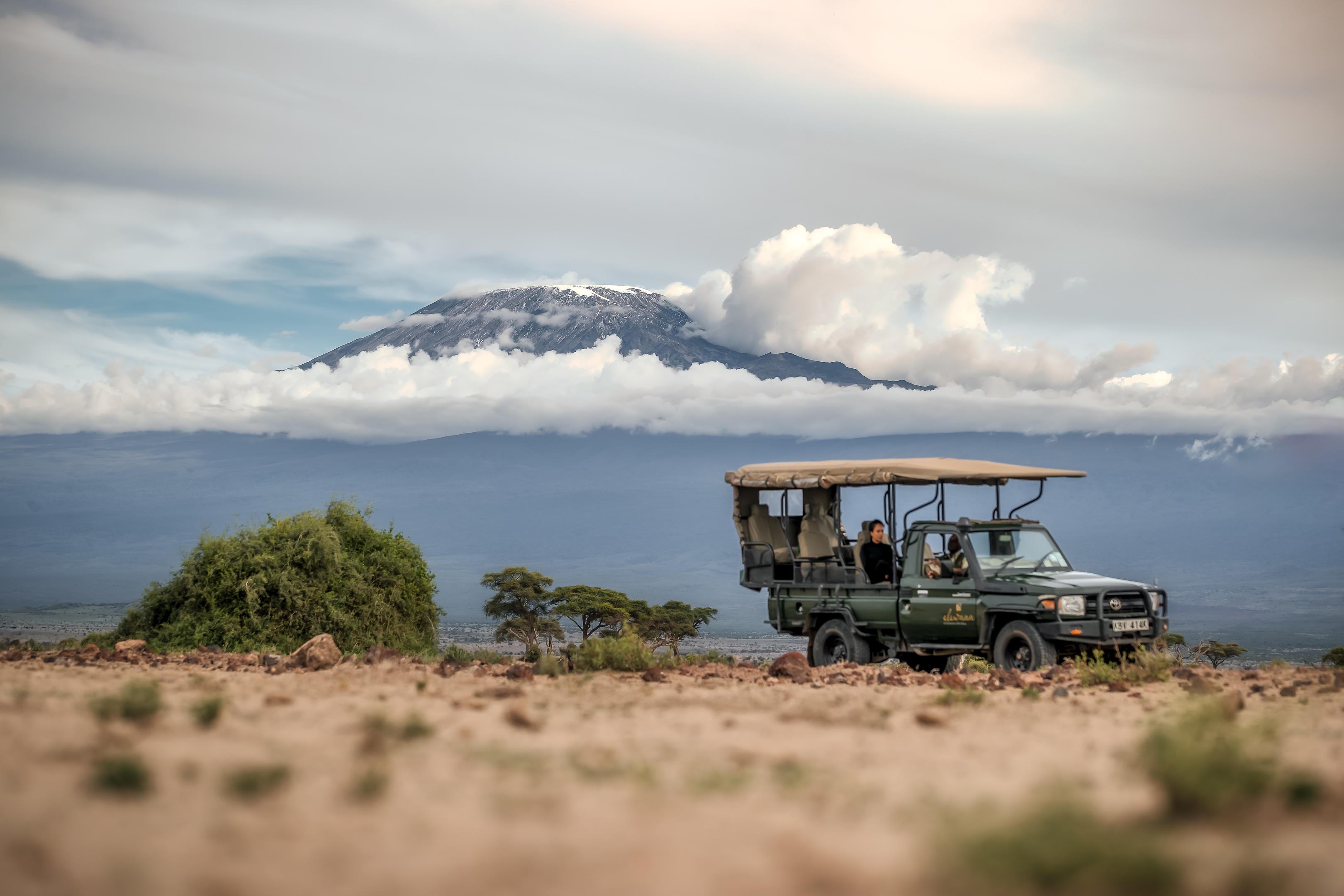
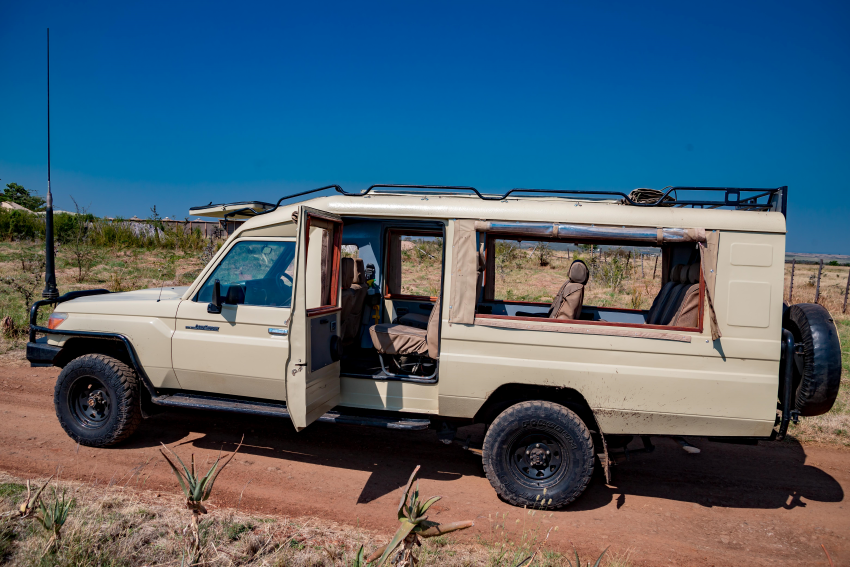
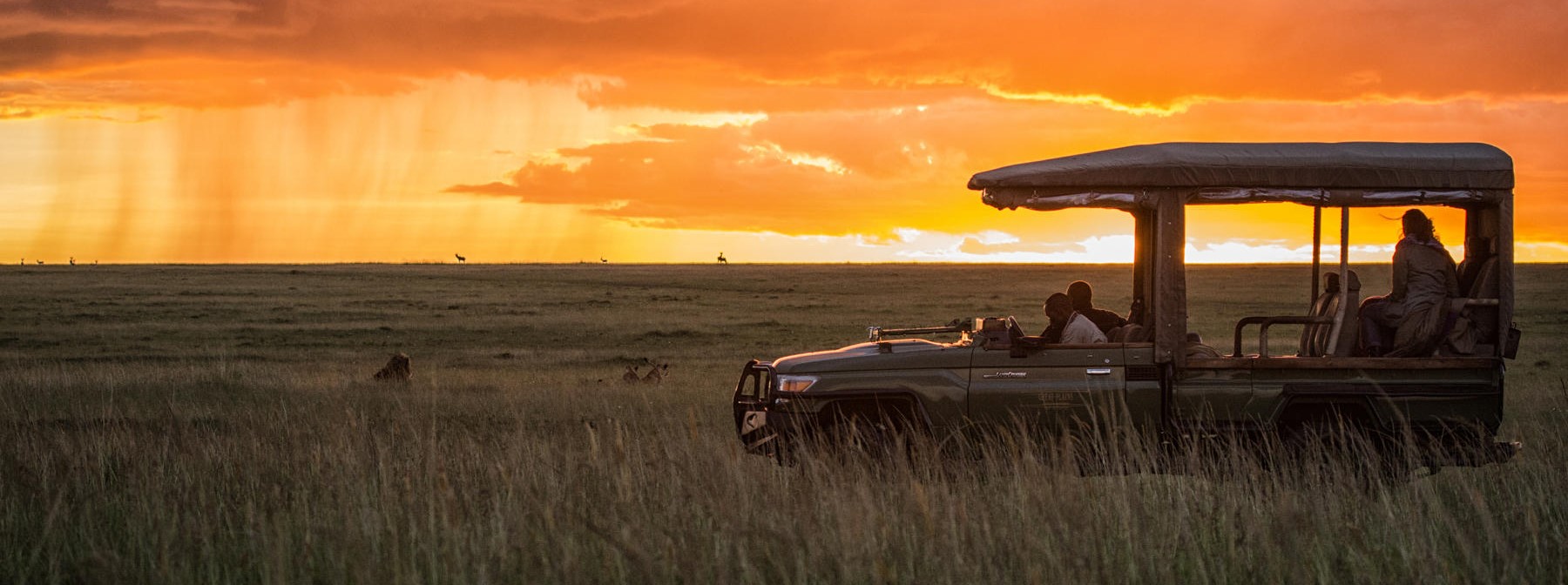
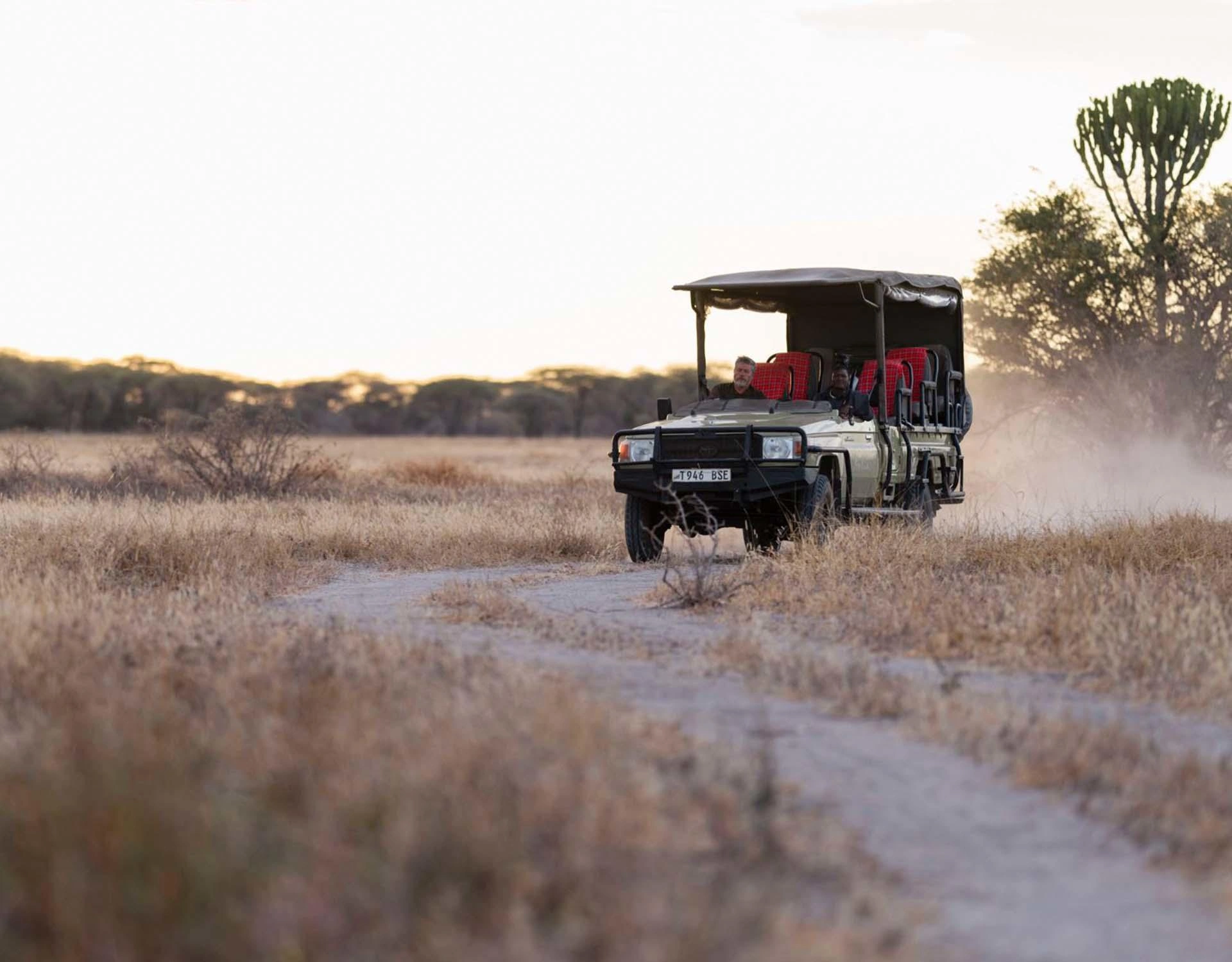
Our 4×4 Land Cruiser pop-up roof vehicle day rate (USD 300 in Tanzania, USD 350 in Kenya, Uganda, Rwanda, Zambia, Botswana, Namibia and South Africa) includes the vehicle itself, a professional English-speaking driver-guide, full fuel, driver-guide accommodation and meals, radio communications, bottled water for guests and charging points. Park fees, concessions, guest accommodation and guest meals are invoiced separately at cost.
What's the difference between park fees and concession fees?
Park fees are entry fees paid to access a park or reserve, usually valid for 24 hours per person. Concession fees are a separate per-person per-night charge levied by the park authority on guests staying at lodges or camps located inside the park boundary — essentially a bed-night conservation levy. Both must be budgeted on any trip with in-park accommodation.
Why is the Ngorongoro Crater Service Fee charged per vehicle?
The Ngorongoro Conservation Area Authority (NCAA) levies a separate USD 295 per vehicle service fee for each descent into the crater floor, regardless of the number of passengers. This is in addition to the USD 70.80 per-person entry fee. It is applied once per descent, so a single crater day requires only one service fee per vehicle.
How do you charge private conservancy fees?
Private conservancy fees (typical in the Mara ecosystem, Laikipia, and Okavango Delta) are almost always bundled into the nightly lodge rate and paid directly by the camp to the conservancy. We reflect this transparently in quotations so you see the full per-night cost without duplicating the charge.
What vehicle options do you have for photography groups?
Our dedicated Photographic Safari Vehicle runs at USD 350 per day in both Tanzania and Kenya. Configured for maximum four photographers (one per row), with bean-bag mounts at every window, dual USB-C and 12V charging per seat, and the option of a specialist photographic driver-guide on request.
Can you handle cross-border itineraries?
Yes. We regularly operate combined Tanzania–Kenya, Kenya–Uganda–Rwanda, and Southern Africa circuits including Botswana, Zambia and Namibia. Vehicle handovers happen at borders, with our local teams taking over seamlessly on the other side.
Are your guides employed or freelance?
Our core senior guide team is directly employed. For seasonal peak capacity, we work with a vetted roster of long-standing freelance driver-guides — all with minimum five years of experience and direct references. Every guide carries professional guiding credentials from TATO, KPSGA or equivalent.
What payment terms do you offer to agents?
Standard terms are 25–30% deposit on confirmation, with the balance due 60 days before travel. Established partners can qualify for extended credit terms and consolidated monthly billing. Payment via bank transfer, credit card (with surcharge), or through bonded trust-account structures for higher volumes.
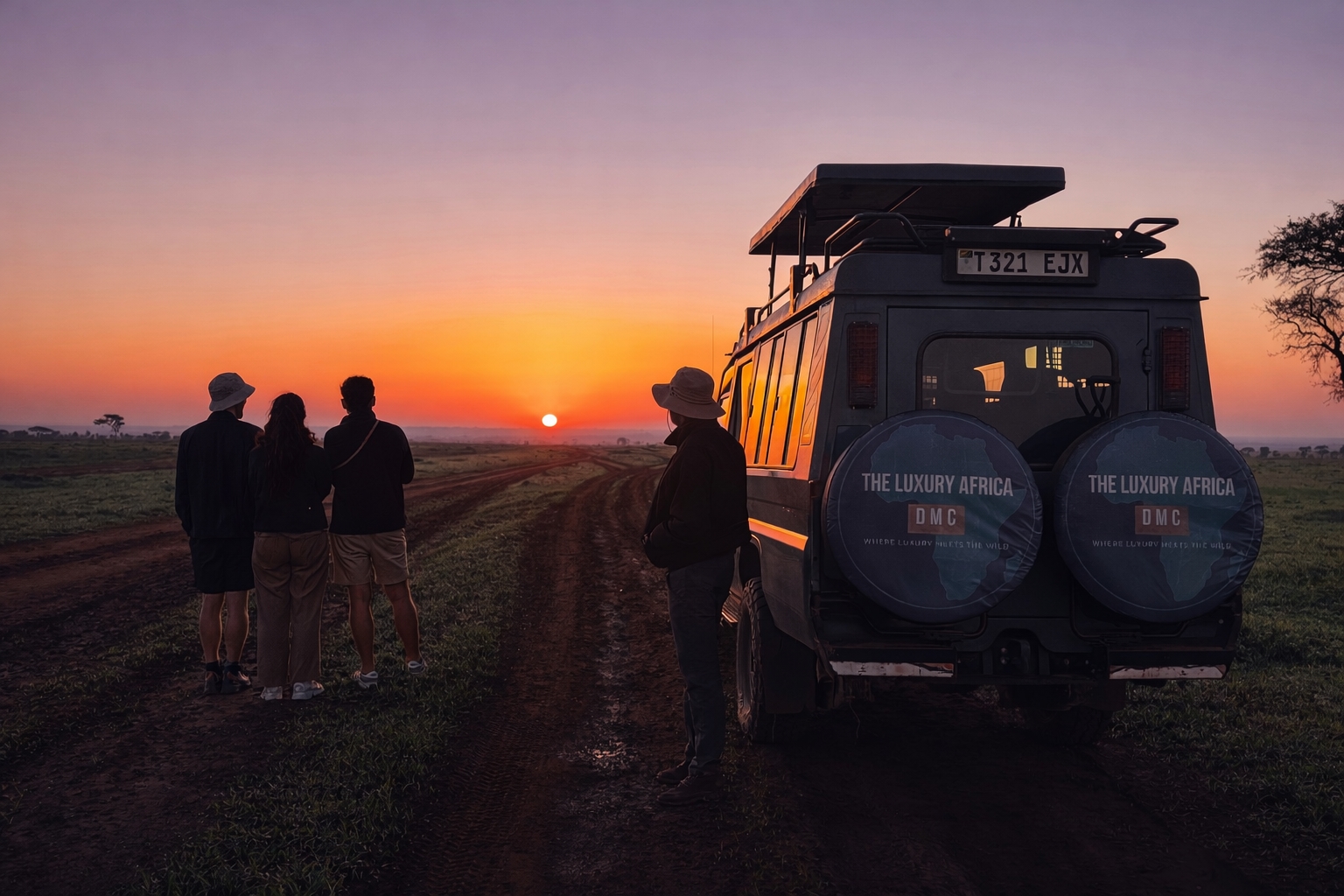 Pop-Up Roof 4×4