7-Day Serengeti & Ngorongoro Luxury
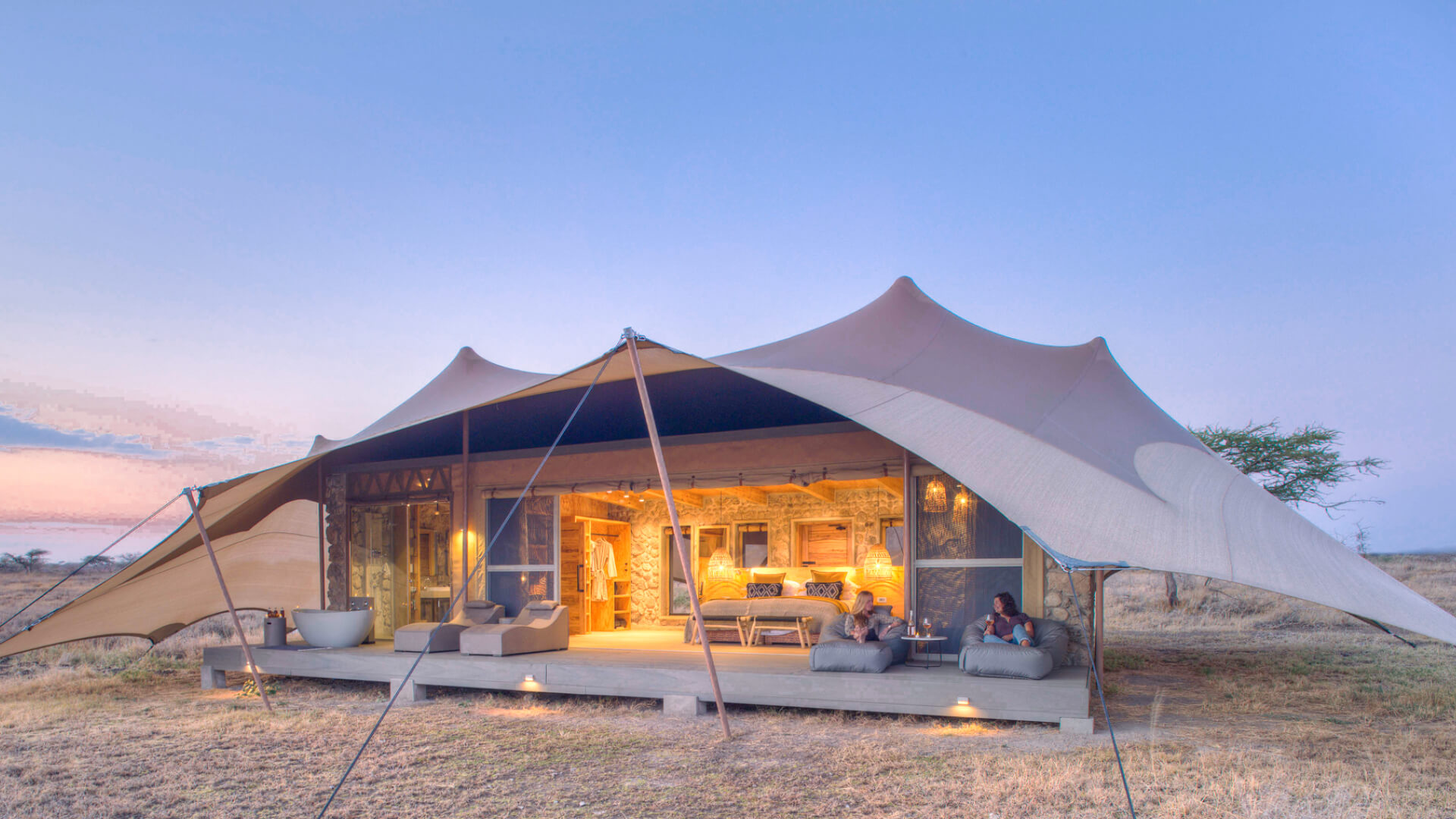
7 daysPremium camps, strong Serengeti time, and a classic Ngorongoro Crater day—built for comfort and wildlife quality.
Explore Journey →Migration timing • Calving season • River crossings • Weather & crowds • How to choose the right Serengeti zone
★★★★★ 5.0 | 262 ReviewsShortcut: Pick your goal first. If you want calving + predator action go Jan–Mar (Ndutu/South). If you want classic dry-season wildlife + river drama chances go Jul–Oct (North/Mara River).
See the month-by-month →People search best time to visit Serengeti hoping for one perfect month, but Serengeti doesn’t work like a single “season.” It’s an enormous ecosystem with different regions that perform differently throughout the year. The Serengeti can be excellent in January, excellent in June, excellent in October—and still feel completely different each time. That’s why smart planning is less about picking one “best month” and more about choosing the right Serengeti zone for your dates and your goal.
This guide breaks Serengeti into the way safari travelers actually experience it: the South (Ndutu) for calving and predator action, the Central (Seronera) for year-round wildlife, and the North (Kogatende/Mara River) for dry-season movement and river-crossing potential. We’ll also explain weather, crowds, and how many nights you need to make Serengeti feel “real” instead of rushed.
If you tell us your travel dates, we can recommend the best Serengeti region and build a route that flows smoothly with Ngorongoro, Tarangire, and Lake Manyara—without wasting your days on driving.
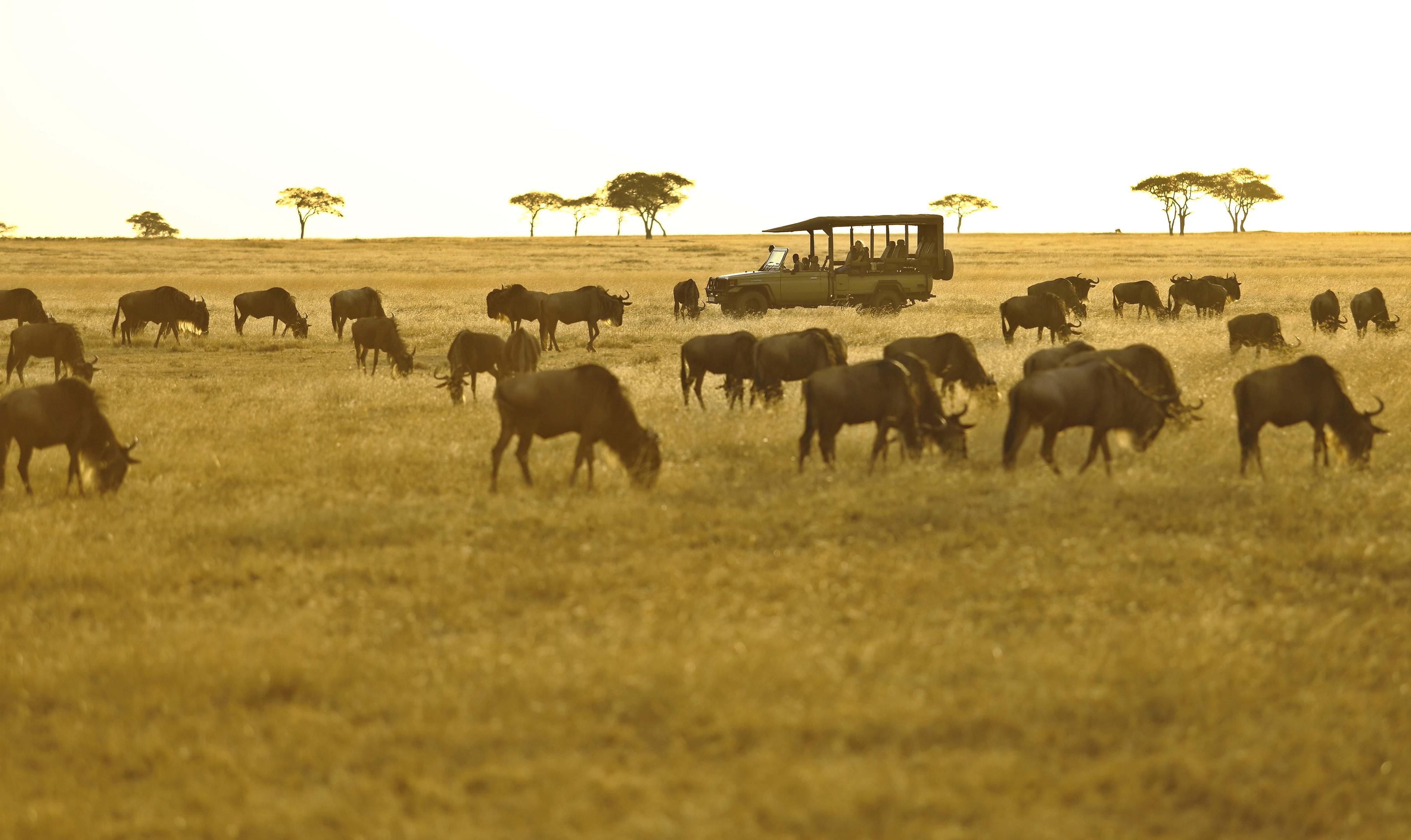
Serengeti is not one “spot.” It’s a huge landscape with wildlife patterns that shift across regions. That’s why one person can visit in February and say, “Serengeti was unbelievable,” while another visits in February but stays far from the right area and says, “We saw less than expected.” The solution is matching your month to the correct zone.
The Great Migration is a cycle, not a single event. Below is a realistic, traveler-friendly way to think about what’s typically strongest each month. Nature doesn’t run on exact dates, but this framework helps you choose a Serengeti area that matches your goals.
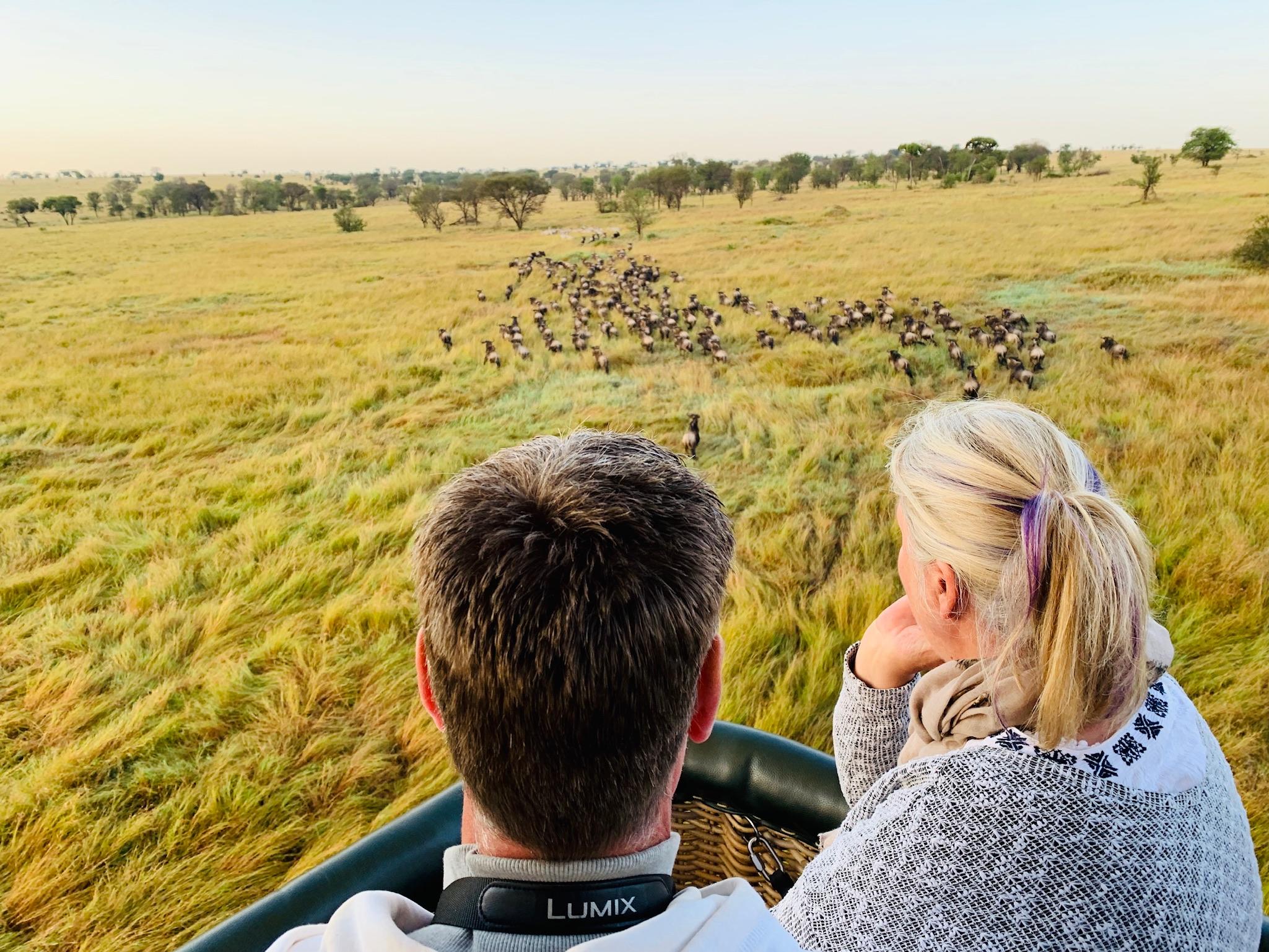
These months are famous for the southern short-grass plains and Ndutu area, where many wildebeest calves are born and predators take advantage of the movement. Landscapes are green, light can be dramatic, and sightings often feel intense and close. If your dream is “newborn wildlife and action,” this is your window—especially when combined with Ngorongoro.
This period can be quieter for crowds and often offers a more exclusive feeling, with lush scenery and fewer vehicles. Weather can be wetter and some roads may be softer, but wildlife is still present—especially in Central Serengeti. If you value atmosphere, space, and green landscapes, this can be an underrated time when planned correctly.
June often feels like Serengeti “switching gears.” The dry season strengthens, visibility improves, and wildlife viewing can be consistently strong. The herds may begin moving northward and you’ll often get excellent big-cat viewing in Central areas with classic safari light.
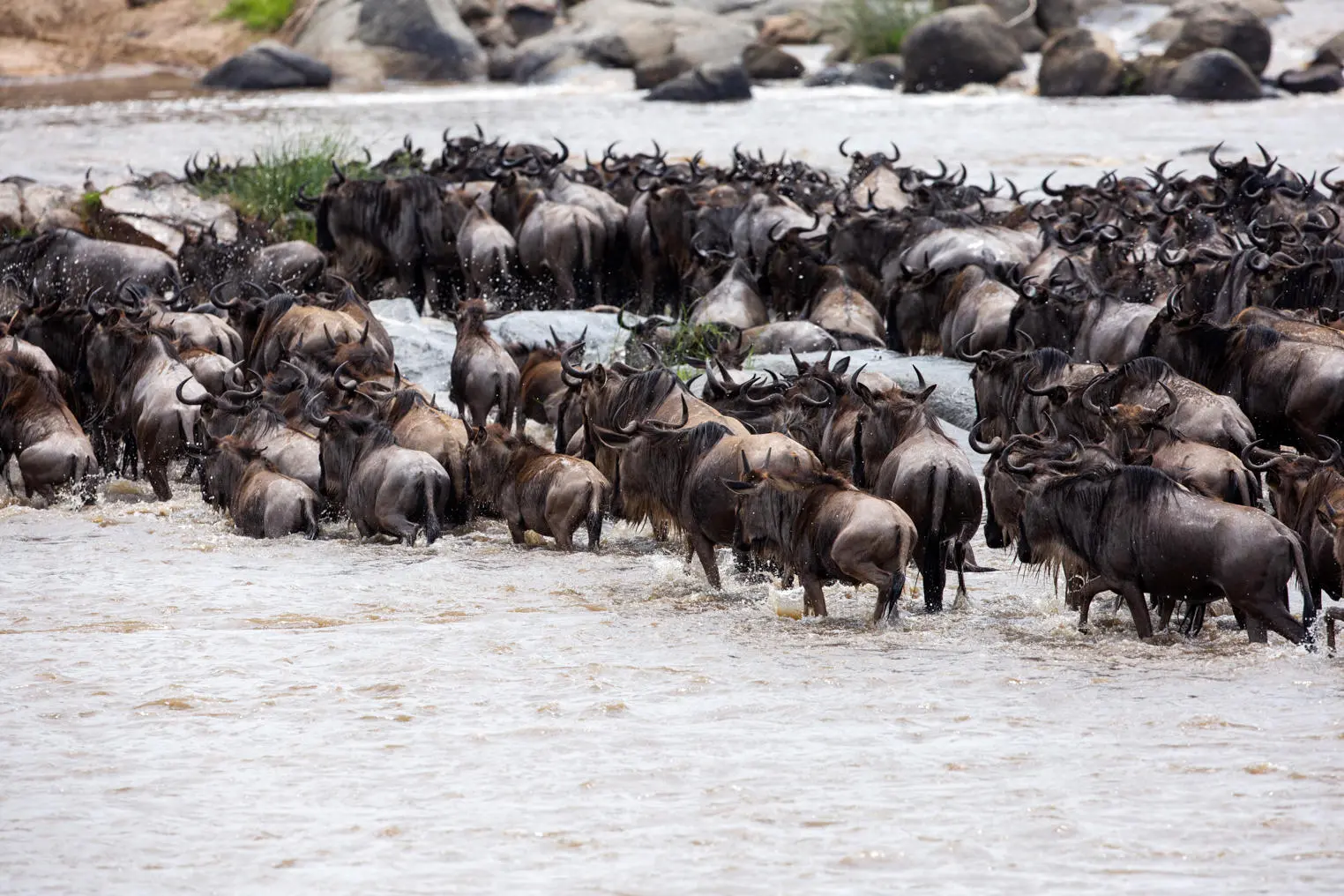
This is the high-demand period for Northern Serengeti. Conditions are dry, wildlife concentrates around water, and migration herds may gather near the Mara River. River crossings are not guaranteed on a specific day, but the overall experience is classic dry-season safari—excellent visibility, strong predator sightings, and a strong chance to feel the scale of the migration when based in the right area.
These months can offer excellent value with fewer crowds and changing landscapes as rains begin to return. Wildlife remains strong, especially in Central Serengeti, and the migration cycle begins shifting south again. If you want good sightings but don’t want peak-season pressure, this can be a smart time to travel.
Want a dedicated migration planner? Use our full guide: Great Migration Calendar 2026–2027.
Serengeti is big. One day can feel exciting, but it often feels like a “taste” rather than a full safari experience—especially when you include driving time. Most travelers who leave truly satisfied have stayed long enough to slow down, follow the best sightings, and enjoy the rhythm of early mornings and late afternoons without feeling rushed.
The biggest reasons “best time” matters are comfort and availability. Dry season travel often feels easier: roads are more predictable and visibility is high. But it’s also the period with higher demand for prime camps. Green season can feel more exclusive and beautiful—sometimes with better rates—while requiring a little more flexibility with weather. The best safari planning is honest: choose the season that matches your travel style, then choose camps and routing that make it smooth.
If you want the easiest version of Serengeti with fewer compromises, aim for a route that includes Central Serengeti (year-round strength) and adds either Ndutu or Northern Serengeti depending on month. That’s how you avoid being “in Serengeti” but not in the strongest part of it.
Serengeti becomes even better when the itinerary flows logically. Ngorongoro is the perfect partner because it adds a completely different ecosystem and a “big day” crater experience. Tarangire adds elephants and classic baobab scenery. Manyara adds forest and birdlife. The key is not adding everything—it's sequencing it so you don’t spend your safari inside the car.
Yes. Central Serengeti is strong throughout the year, and the migration cycle simply shifts which region is “best” based on month.
It depends on your timing and travel style. Use our comparison guide: Serengeti vs Masai Mara.
Yes—share your dates and number of guests. We’ll recommend the best Serengeti region and build a smooth itinerary with the right camps.
Jan–Mar: South / Ndutu (calving)
Apr–Jun: Central + transition
Jul–Oct: North / Mara River (dry season)
Tell us your travel month and trip length. We’ll recommend the best Serengeti zone and a smooth route with Ngorongoro.
Get a Plan →Three hand-picked options—luxury classic, migration-focused, and mid-luxury extended flow.