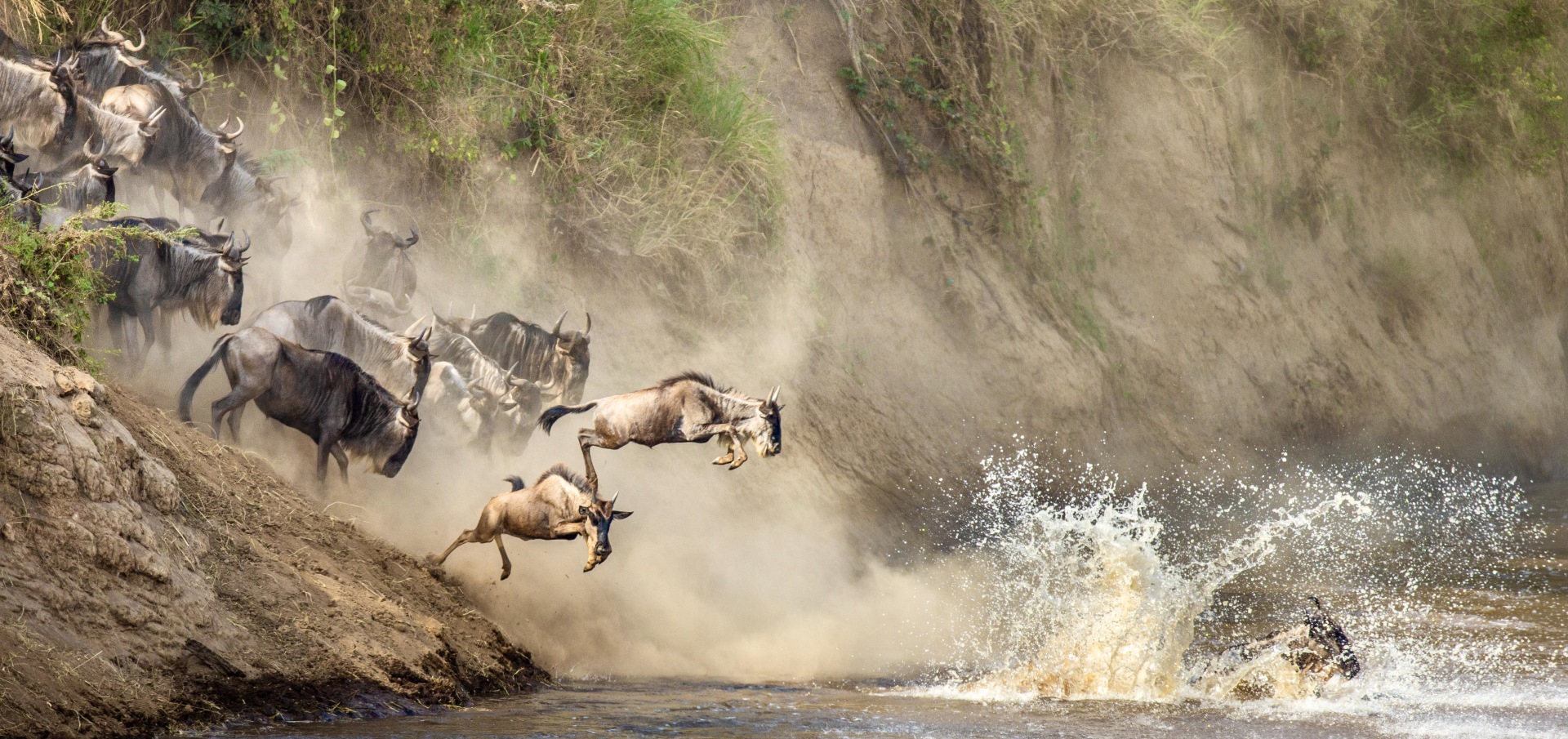
Central Serengeti
Within Serengeti Regions Explained, Central Serengeti fits naturally because central Serengeti is the strongest all-season anchor and can connect south to Ndutu, north to Kogatende or west toward Grumeti.
View detailsThe practical answer is to select Central Serengeti and Northern Serengeti only when they fit your month and wider sequence. Compare Western Serengeti with Ndutu, then protect enough nights for the experience rather than building the route around the shortest possible transfer. We arrange private vehicle movements around realistic gate hours, lodge access and the wildlife priorities you identify before confirmation. Current arrangements are reconfirmed.
Central Serengeti surrounds the Seronera river system, where permanent water, kopjes and mixed woodland support resident wildlife throughout the year. It is the most flexible region for a first Serengeti stay because it connects by road with Ngorongoro and by scheduled light aircraft through Seronera Airstrip. Two to four nights allow your guide to work different valleys instead of repeating the same central tracks. Central Serengeti also acts as a practical bridge to Ndutu, the western corridor or the northern sector. We choose accommodation by its actual position, not simply by a Serengeti label, because camps on opposite sides of the central area can create very different transfer times.
Northern Serengeti brings a more remote landscape of rolling hills, woodland and the Mara River system near Kogatende. It becomes especially important during the July-to-October migration period, when herds may gather on either side of river channels. A river crossing is never guaranteed, so the route should allow at least three nights if crossings are a priority. Kogatende Airstrip can remove a long overland return to Arusha and makes a direct safari-to-Zanzibar connection possible on selected schedules. Outside peak migration months, lodge and camp operations vary, so we verify seasonal opening dates before recommending the region. Current availability is checked before your private journey is confirmed.

Western Serengeti follows the Grumeti corridor, where riverine woodland, open plains and seasonal migration movement create a distinct setting from Seronera or Kogatende. The region can be relevant during parts of the May-to-July movement, but timing shifts with rainfall and grazing conditions. Grumeti Airstrip supports fly-in access to selected camps, while road routing often connects through Central Serengeti. We recommend the west when it adds a genuine seasonal or lodge experience, not as an extra name on a short itinerary. Staying too far from your wildlife priority can turn each day into a transfer rather than a focused game drive.
Ndutu lies across the wider southern Serengeti and Ngorongoro Conservation Area ecosystem. From roughly December through March, short-grass plains can attract large migratory herds, followed by calving activity and concentrated predator interest. Exact movement depends on rain, so we avoid promising a fixed location. Ndutu Airstrip provides seasonal flight access, and road routes commonly connect through the Ngorongoro highlands. Camps may be mobile or seasonal, making their operating dates important. For travellers visiting in January or February, two or three nights in Ndutu can be more productive than forcing the entire Serengeti stay into Seronera. Your proposal states the confirmed arrangement clearly before payment is requested.
Road travel from Arusha through Tarangire or Lake Manyara and Ngorongoro creates a continuous Northern Circuit experience. Flying into Seronera, Kogatende, Grumeti or Ndutu can protect time when your safari is short or when the Serengeti region sits far from the previous stop. The best answer often combines both: drive through the highlands, then fly out from the final Serengeti sector. Light-aircraft baggage limits, airstrip transfers and seasonal schedules must be confirmed together. We do not publish guaranteed departure times, because domestic operators may consolidate flights or adjust routing. Your final documents show the confirmed sector and receiving transfer. We confirm access and timing before booking.
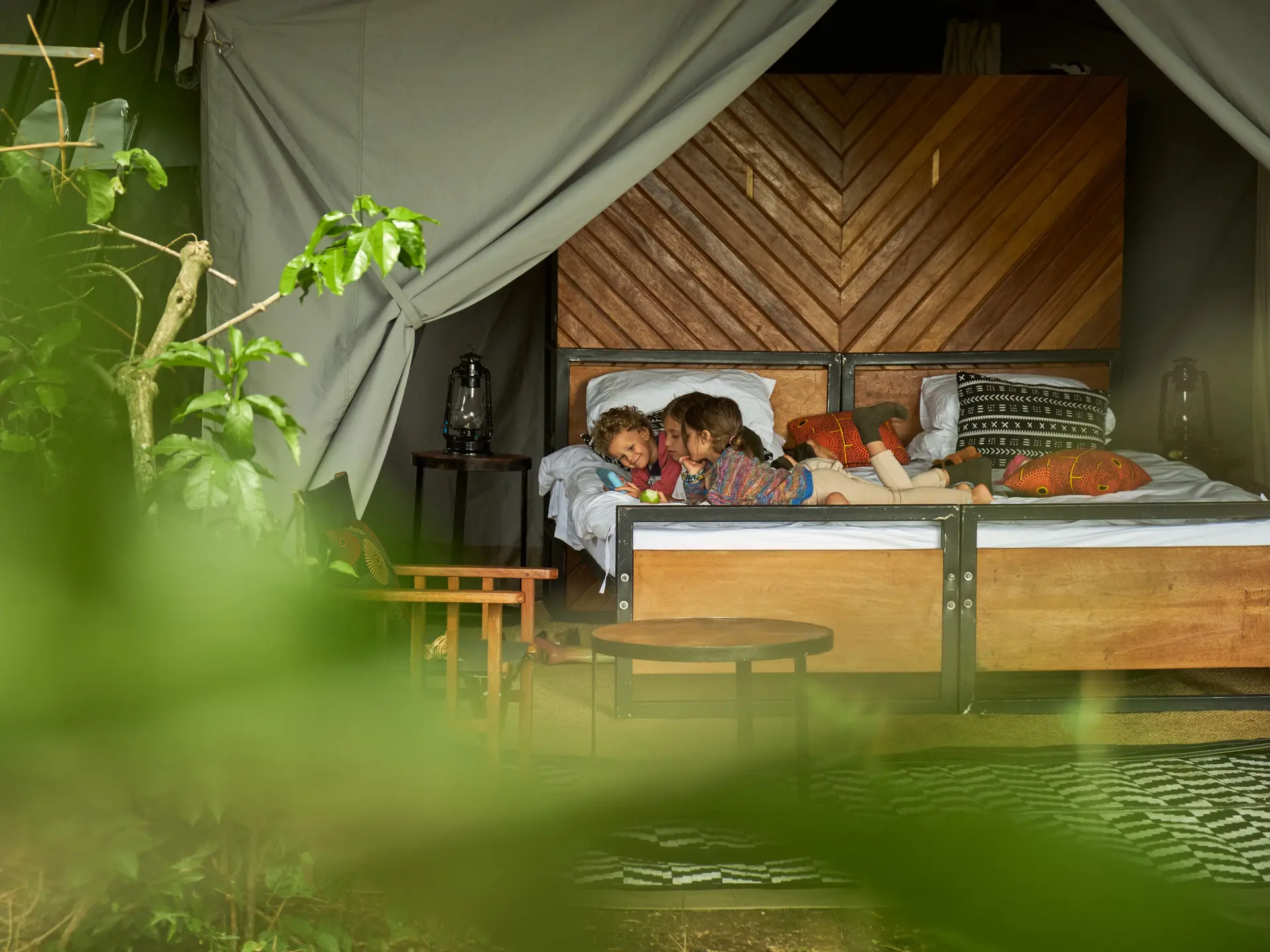
Accommodation should place you close to the wildlife region you intend to explore. A beautifully branded lodge can still be the wrong choice if it requires several hours of daily driving to reach your priority area. Central Serengeti generally supports two to four nights, while northern migration stays benefit from three nights or more. Mobile camps can follow seasonal movement, permanent lodges provide broader facilities, and small tented camps often deliver a quieter bush atmosphere. We compare room configuration, family policy, airstrip distance, meal plan and access to the next destination before confirmation. The correct combination is the one that protects your usable safari time.
Within Serengeti Regions Explained, Central Serengeti fits naturally because central Serengeti is the strongest all-season anchor and can connect south to Ndutu, north to Kogatende or west toward Grumeti.
View details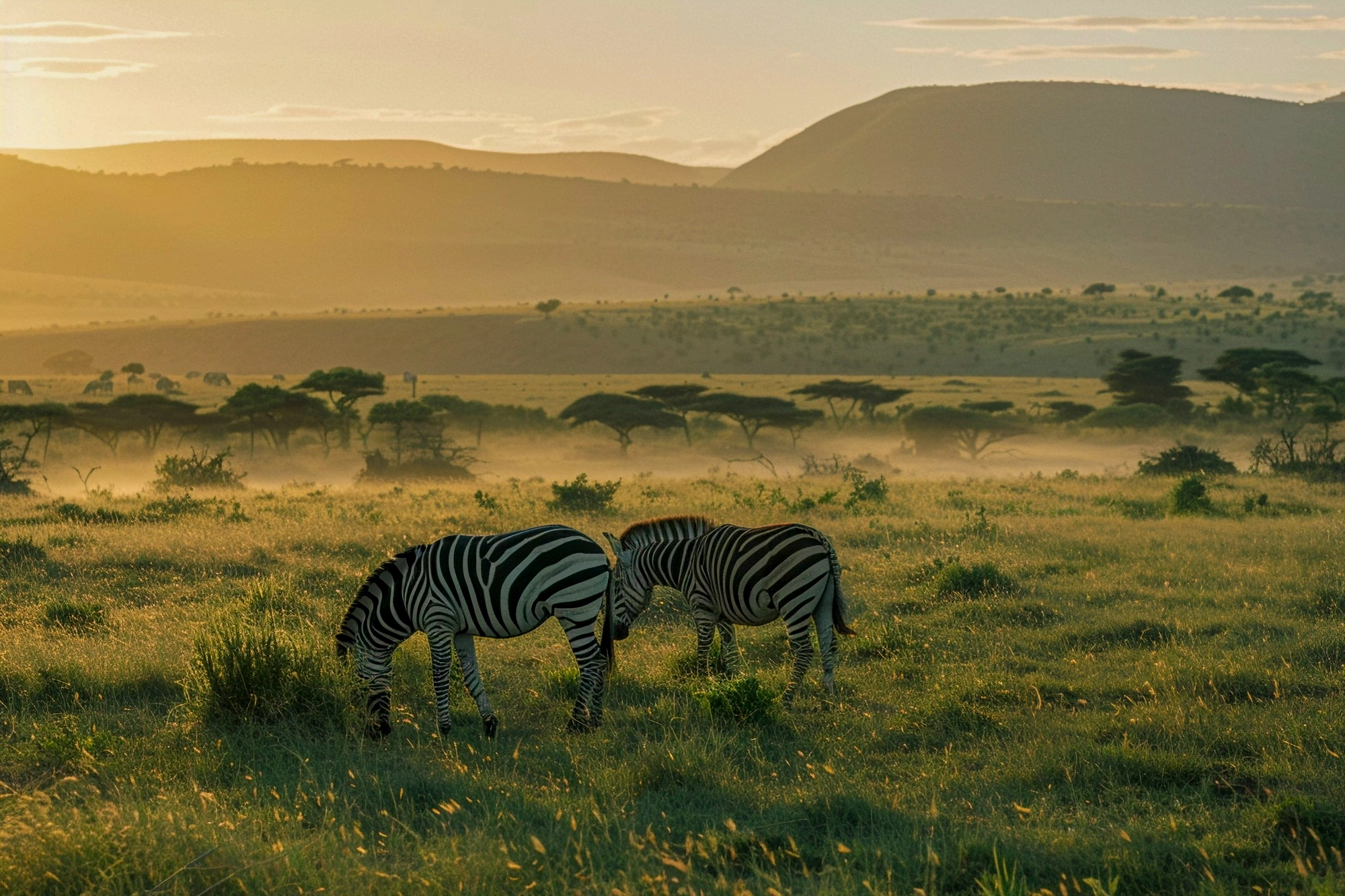
Within Serengeti Regions Explained, Northern Serengeti fits naturally because the north is normally combined with Central Serengeti or reached by flight, rather than added as a rushed road excursion from seronera.
View details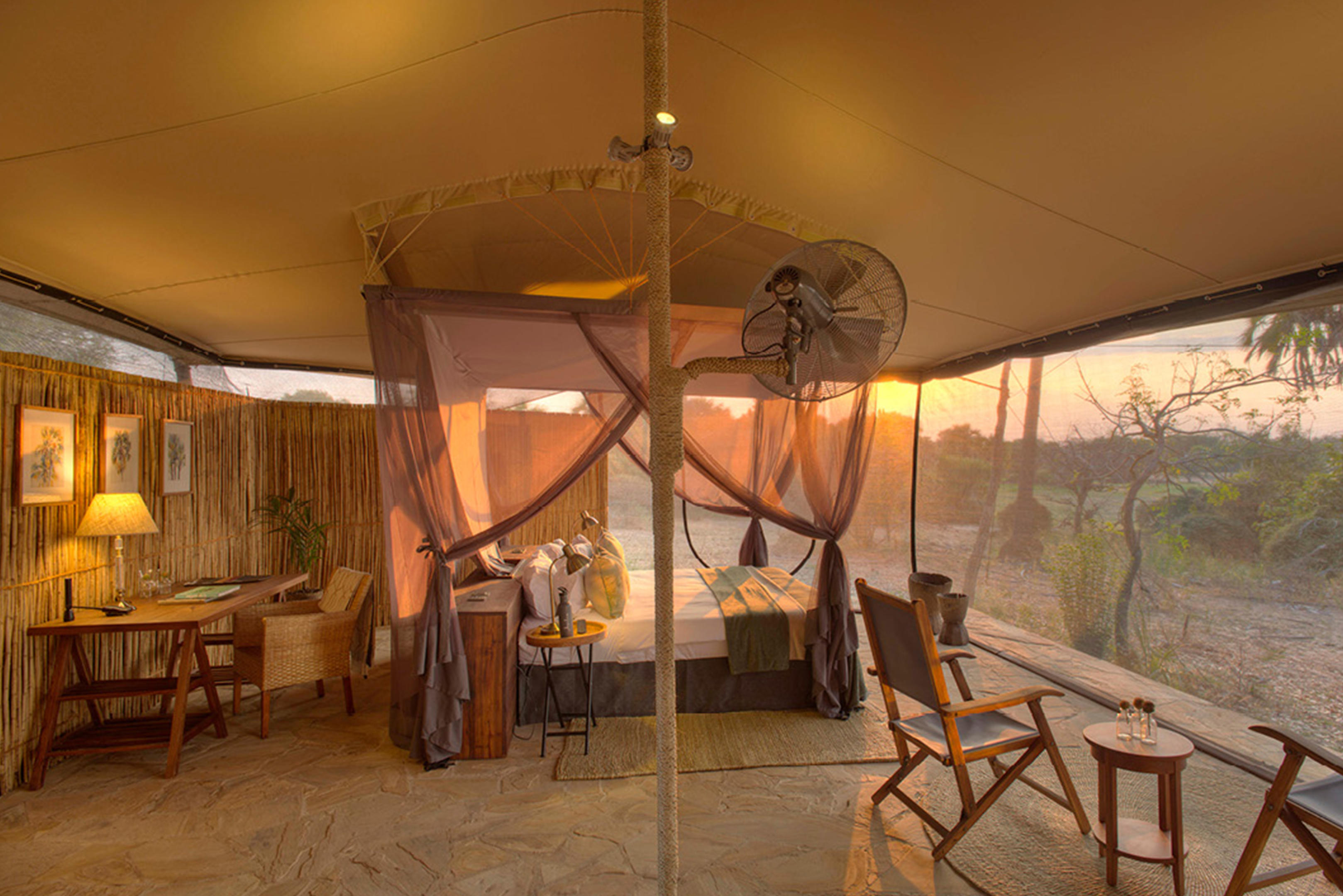
Within Serengeti Regions Explained, Southern Serengeti and Ndutu fits naturally because ndutu is naturally linked with Ngorongoro and can be combined with Central Serengeti when the trip has enough nights for both regions.
View details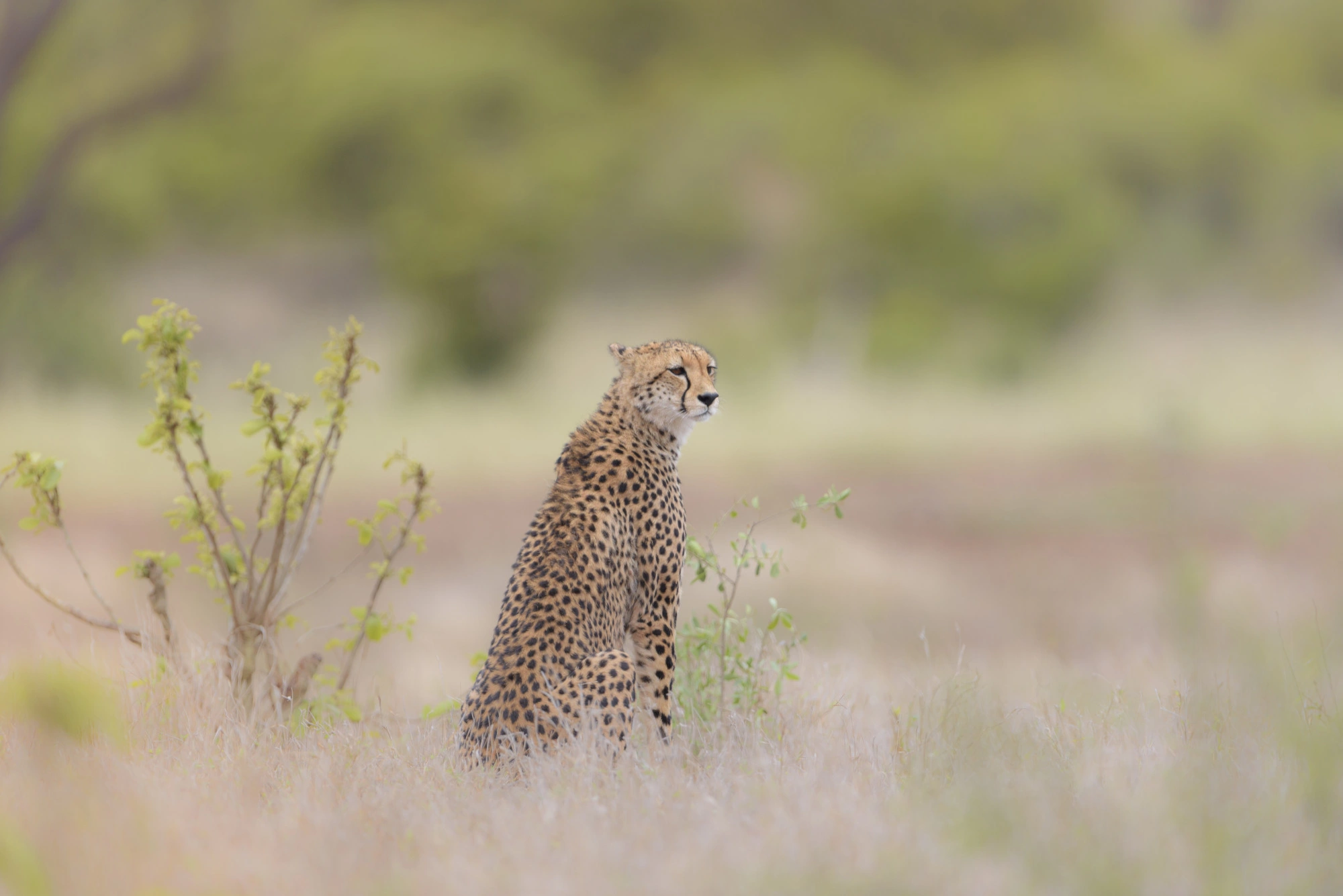
7-Day Savannah Queens Exploration is included within Serengeti Regions Explained as a midrange · 7 days option. Open the full page to compare its route, season, access, duration and next practical connection.
View details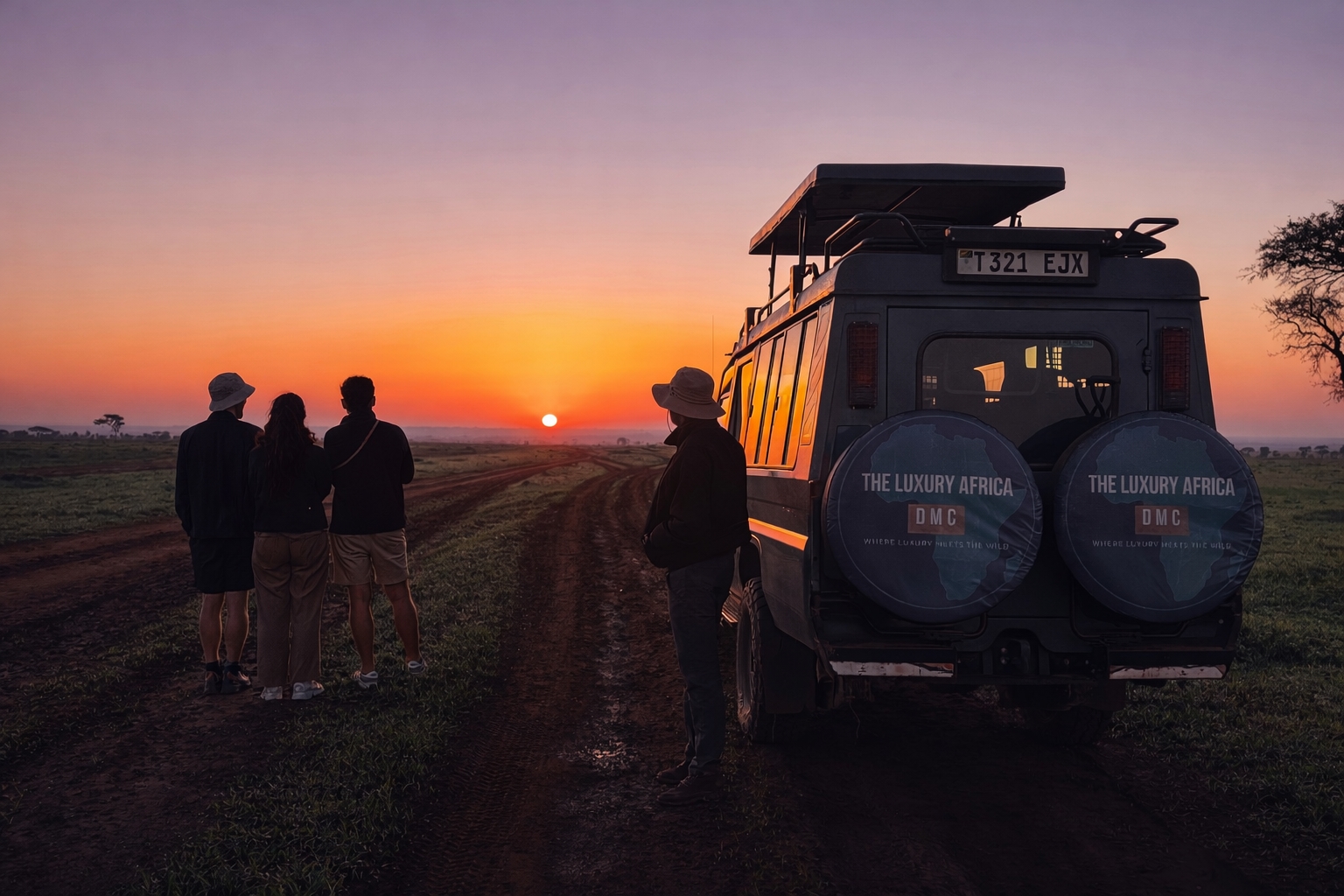
8-Day Great Rift Valley & Plains Loop is a luxury private route selected for serengeti regions explained for private safari planning, with the named lodge sequence retained. This option is shown within Serengeti Regions Explained for a direct route comparison.
View details
9-Day Great Migration River Crossings Loop is a luxury private route selected for serengeti regions explained for private safari planning, with the named lodge sequence retained. This option is shown within Serengeti Regions Explained for a direct route comparison.
View detailsFor peak months and limited camps, planning serengeti regions explained for private safari planning earlier gives a stronger choice of location and room type. We still check current space before recommending the final sequence. We confirm access and timing before booking.
Yes. Routes connected to serengeti regions explained for private safari planning are designed as private journeys unless a page clearly states otherwise. Your vehicle and guide remain dedicated to the confirmed party. Your final proposal records the confirmed route and timing.
For serengeti regions explained for private safari planning, domestic Tanzania flights may be included where the itinerary shows them. International flights are not included, and every quoted sector is confirmed against the selected date. We confirm access and timing before booking.
Zanzibar can follow the route discussed in serengeti regions explained for private safari planning when the connection is practical. We compare the air sector, desired coast and total nights before selecting the beach sequence. We confirm access and timing before booking.
Private Tanzania planning
Share the journey you are considering. Before preparing your Serengeti Regions Explained proposal, we review the season, accommodation level and transfer logic associated with request a bespoke safari proposal.