3-Day Tanzania Big-5 Safari
3 daysA short, high-impact safari designed to maximize game time—ideal if your dates are tight but you still want Serengeti + Ngorongoro.
Explore Journey →Pick the right month • Choose parks that match your goal • Build a smooth route • Avoid expensive mistakes
★★★★★ 5.0 | 268 ReviewsFastest planning shortcut: Decide your top goal (migration, big cats, relaxed classic safari, short trip), then build the route around that goal instead of trying to “see everything.”
Start Planning →A Tanzania safari can be the best trip you ever take—if you plan it the right way. The common mistake is building an itinerary around park names instead of building it around your goal: migration, big cats, a relaxed classic safari, a short “safari from Zanzibar,” or a once-in-a-lifetime honeymoon experience.
This guide is practical, not fluffy. You’ll learn how to choose the best month, how many days you really need, which parks fit which goals, and how to set the right budget level (budget vs mid-range vs luxury) without paying for things you don’t need.
If you want a tailored plan, we can also build two or three versions (different comfort levels) using the same route—so you can compare exactly what changes and what stays the same.
Tanzania is not one “standard” safari—it’s multiple safari experiences. Planning becomes easy when you choose one clear goal. Here are the most common goals and what they usually require:
Once your goal is clear, everything else—month, route, budget level—becomes logical.
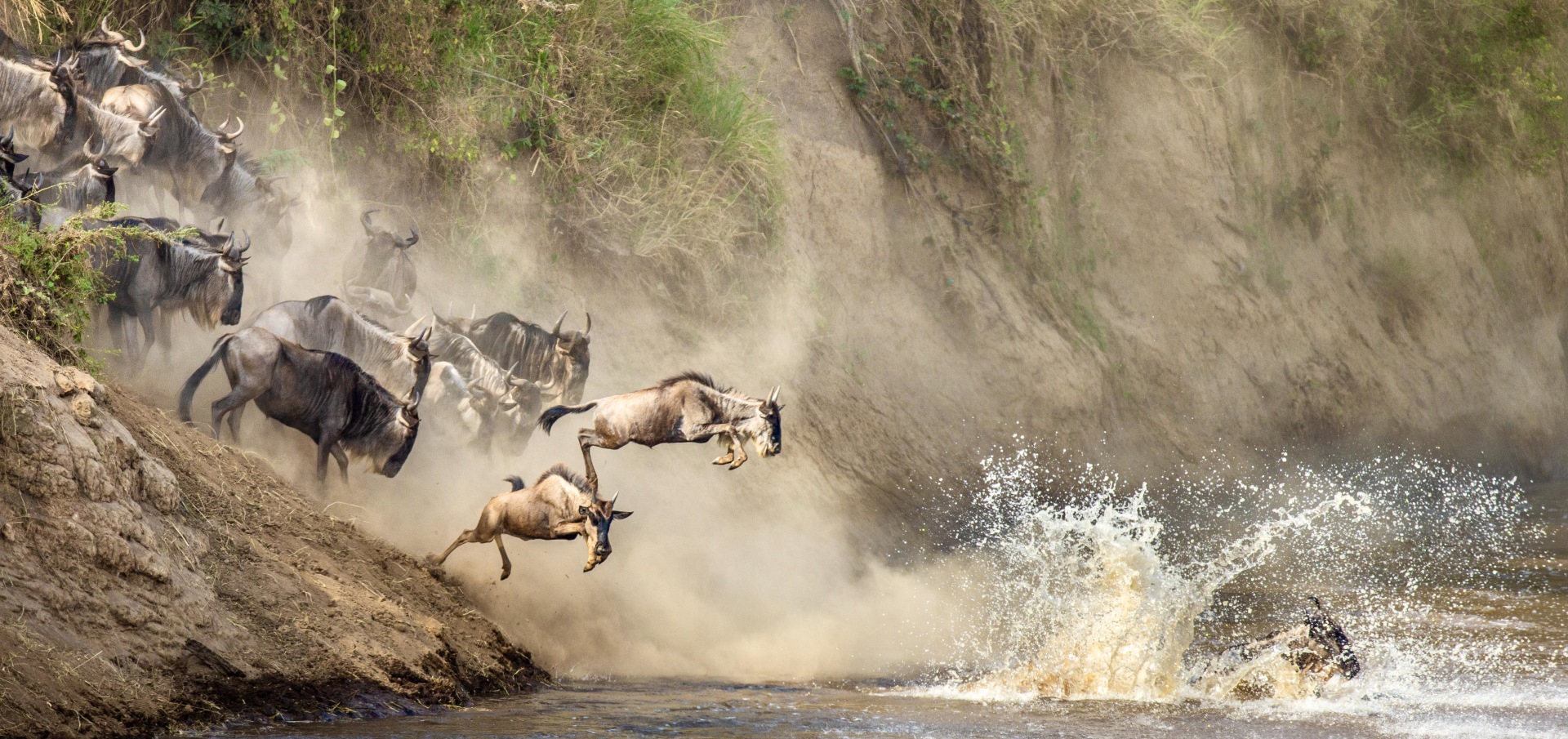
Tanzania works year-round, but the “best time” depends on what you want. Instead of chasing one perfect month, match your timing to your goal:
| Goal | Best Window | Where to Focus |
|---|---|---|
| Calving season | Dec–Mar | Ndutu / Southern Serengeti |
| Dry-season visibility | Jun–Oct | Serengeti + Ngorongoro + Tarangire |
| Balanced safari + fewer crowds | Nov / Apr–May | Flexible; depends on comfort level |
If you’re planning around the migration specifically, use our calendar guide for 2026–2027 and choose Serengeti zones by month.
Tanzania’s Northern Circuit is famous for a reason: it combines classic plains, a world-class crater day, and varied landscapes. Here’s a clear way to choose:
If your trip is short, don’t try to “collect parks.” Choose fewer parks and do them properly.
The biggest reason people feel “rushed” is not the lodges—it’s time. Serengeti is vast, and it rewards people who stay long enough. Use this as a realistic guide:
| Trip Length | What Works Best | Notes |
|---|---|---|
| 3–4 days | Serengeti + Ngorongoro (smart routing) | Often best with fly-in if timing is tight |
| 5–7 days | Classic Northern Circuit | Enough time to enjoy Serengeti properly |
| 8–11 days | Deeper Serengeti + special focus (migration/luxury) | More relaxed pacing and stronger positioning |
If you want the “real Serengeti feeling,” aim for 2–4 nights in Serengeti depending on your trip length.
Most people search Tanzania safari cost and get confused by wide ranges. The biggest cost drivers are simple:
If you want a strong value safari, the best combination is often mid-range lodges + private vehicle.
If you’re stuck on this decision, use a quick rule:
Many guests start with a group idea, then realize private is the upgrade that changes the safari the most.
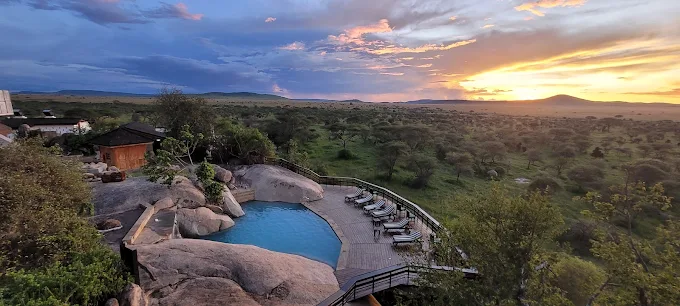
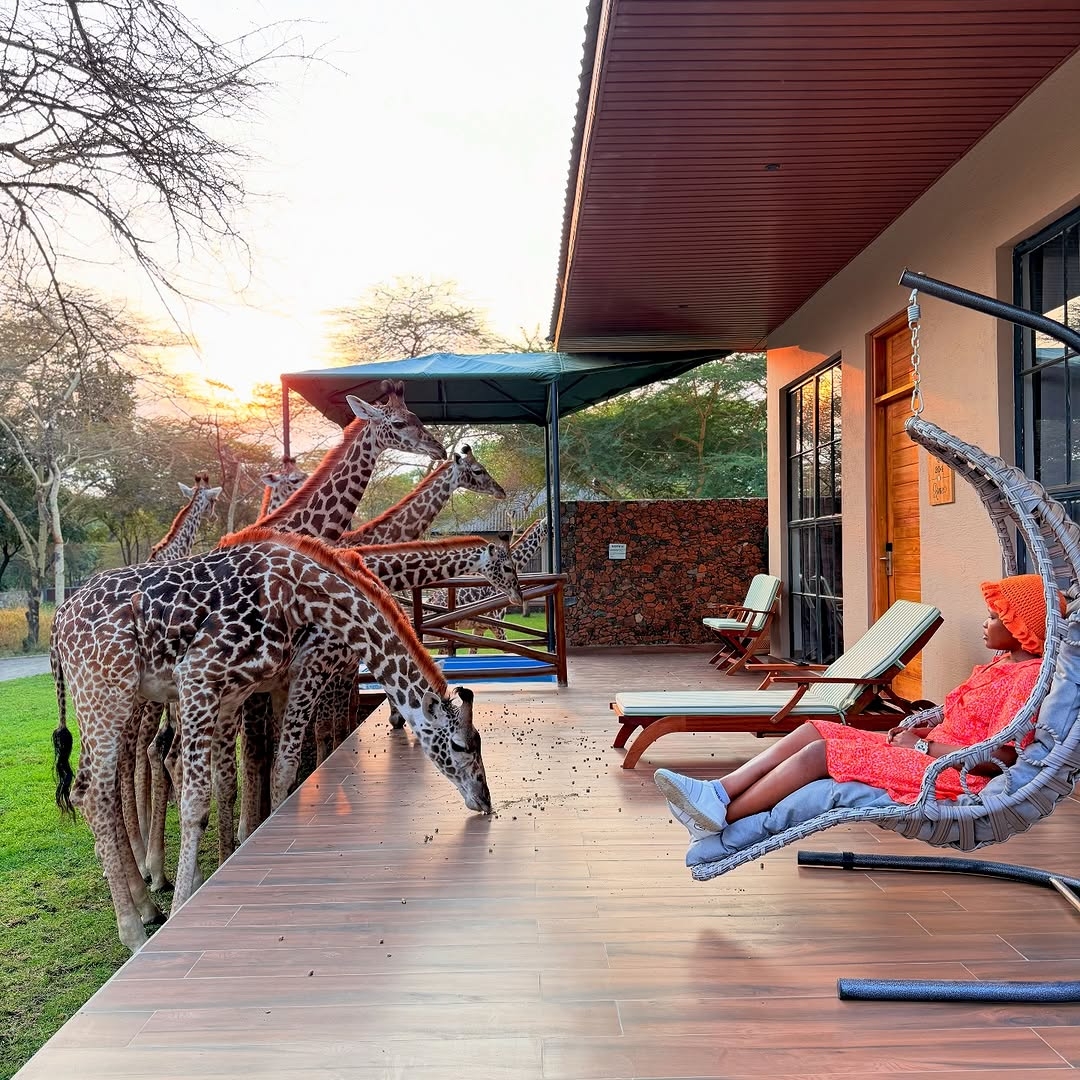
A common planning mistake is choosing accommodation by photos only. On safari, the most important factor is usually location: how close you are to the best game-drive areas and how much time you spend driving versus viewing wildlife.
If you want, we can recommend two lodge options per night: one best value, one upgrade—same route, different comfort.
The best safaris feel effortless because the small things were planned in advance. Here are the details that matter most:
When you’re ready, send your dates and your goal—then we’ll suggest the best route, the right lodge level, and the cleanest logistics.
For peak months and top camps, booking early protects availability and lodge location. If you have fixed dates, earlier is always better.
Fly-in costs more, but can be worth it if your trip is short or you want maximum Serengeti time with less road transfer.
Yes. Share your dates, number of guests, and your top goal. We’ll propose a smooth route with two comfort options so you can compare.
Best all-round length: 6–9 days
Serengeti nights: 2–4 is ideal
Best value: Mid-range + private
Build the route around your goal.
Three hand-picked routes—ideal for a short trip, a classic first safari, or a private upgrade with more time in the parks.