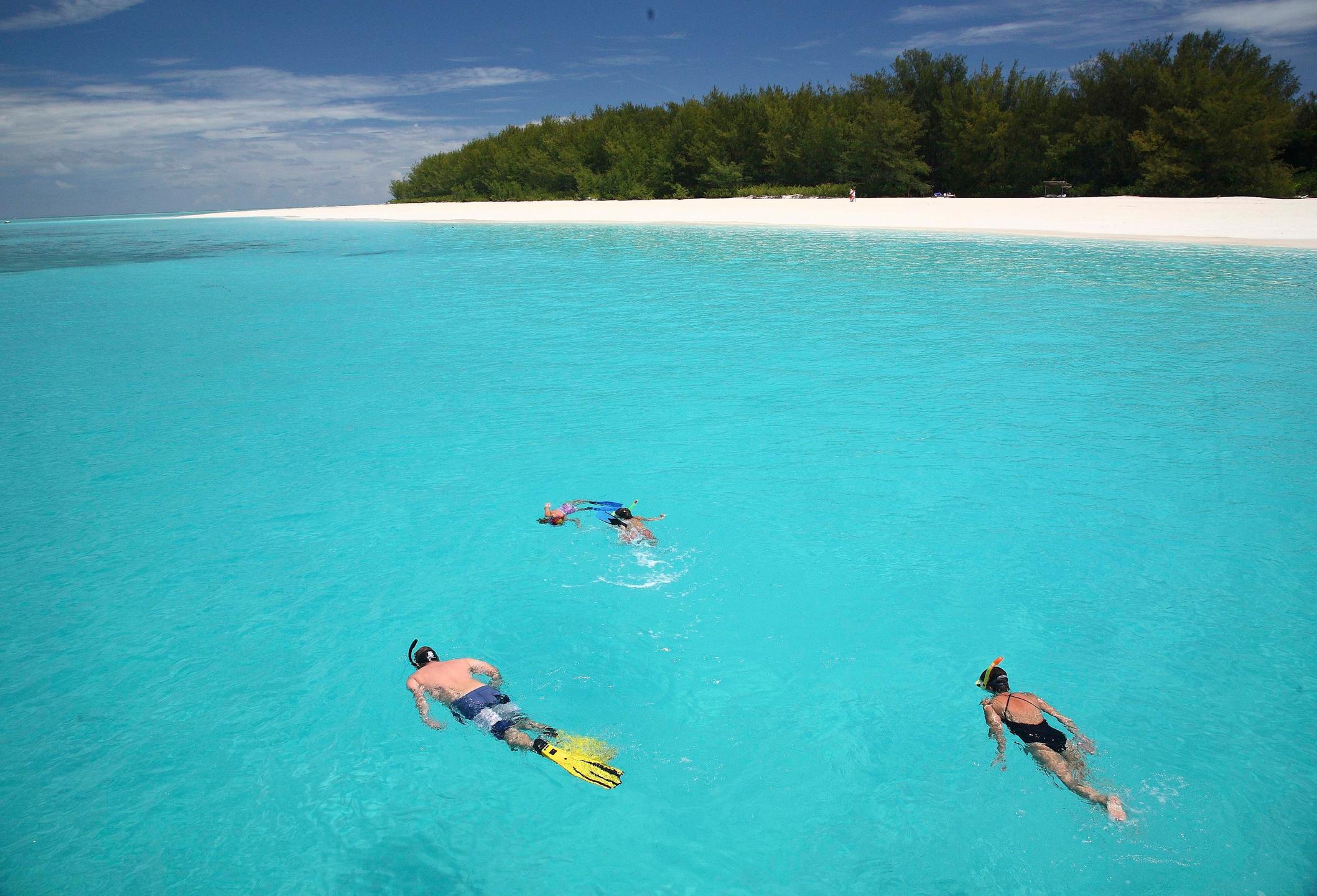
Most private all-inclusive Tanzania safaris include accommodation, meals, game drives, your guide and vehicle, and the park or conservation fees needed for the places you visit. But there is no universal definition, which is why the detail beneath the label matters.
What is normally included on safari
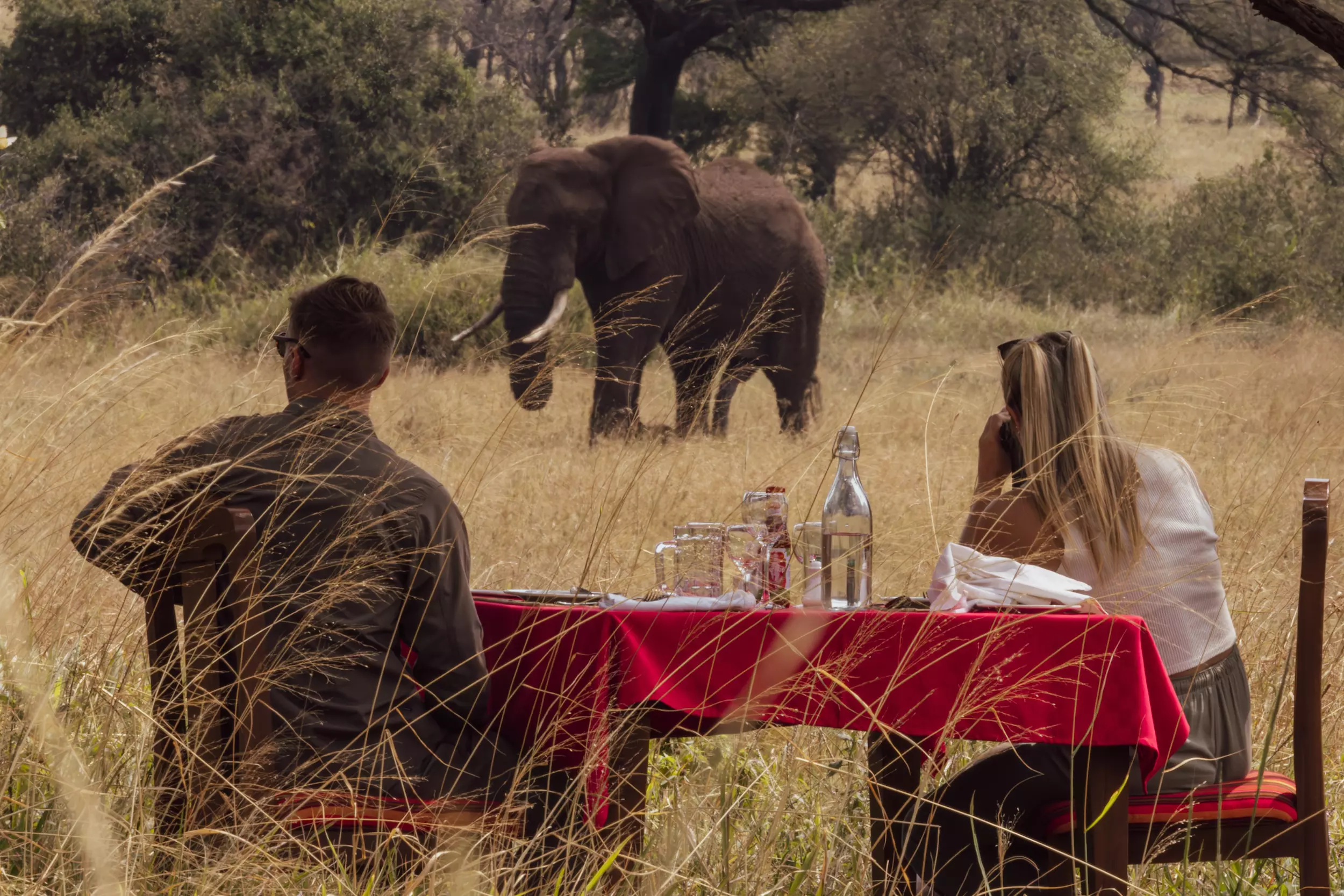
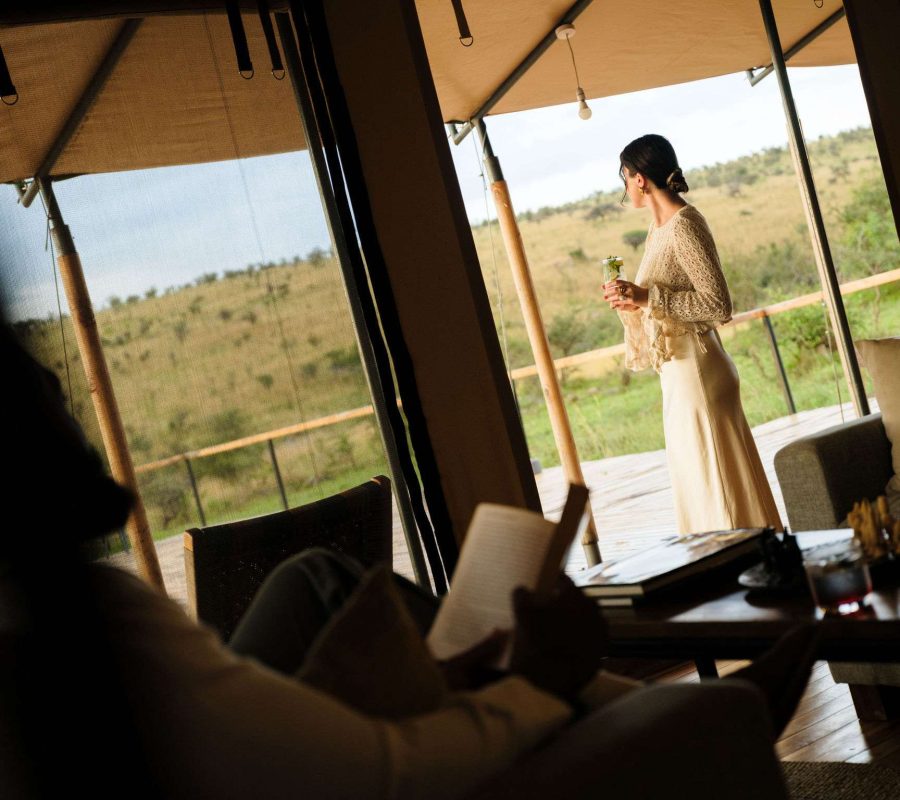
At camp, full-board meals are standard and many properties include house drinks. Your itinerary may also include laundry, shared activities offered by the camp and transfers between the airstrip and lodge. A private road safari typically includes a dedicated guide and 4x4, which lets you linger at a sighting or return to camp when it suits your group.
Park fees are a major part of any Tanzania route. They should be clear in the proposal, alongside conservation fees, crater fees where relevant, and any scheduled light aircraft flights. When these elements are visible, you can compare one journey with another without guessing what has been left out.
What is often additional
International flights, visas, travel insurance, gratuities and personal purchases are commonly outside the land arrangement. Premium wines and spirits, a private vehicle at camps where game drives are normally shared, and special experiences such as hot-air ballooning can also be additional. None of this is a problem when it is explained clearly at the start.
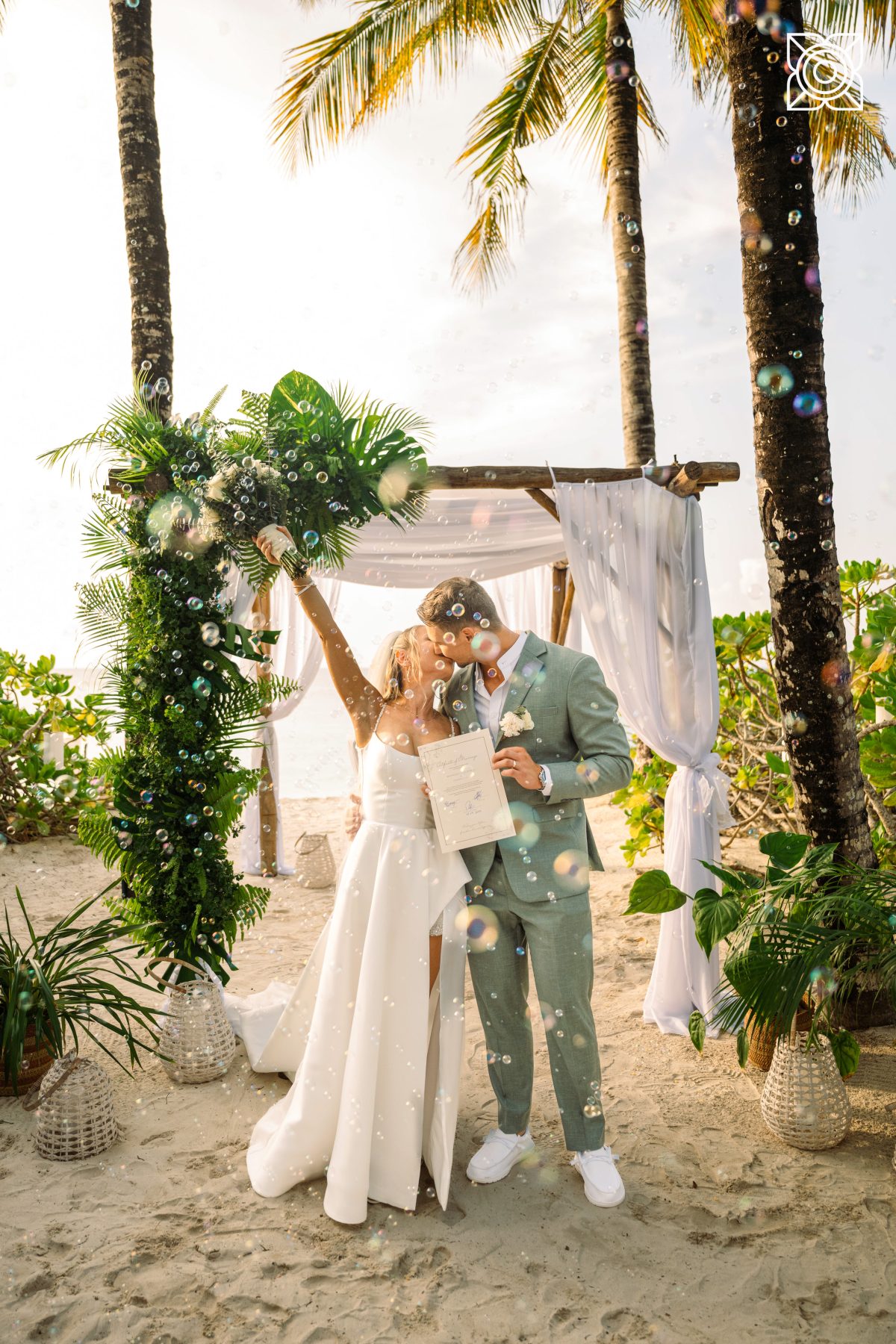
For celebrations, family trips or a special honeymoon, you may also wish to add private dining, a photographer, a dhow cruise or an exclusive villa. Those details should feel like choices, not unexpected extras.
How to read an all-inclusive itinerary
Begin with the daily schedule. Does it show where you sleep, how you travel, and the time you have in each wilderness area? Then read the inclusion and exclusion list before comparing prices. A slightly higher total can be the more complete—and more relaxing—holiday when it includes the practical elements that matter to you.
You may also find our guides to daily safari costs and private Tanzania safari packages useful while comparing routes.