The best of Tanzania — Serengeti plains, Ngorongoro, Kilimanjaro and Zanzibar
A Curated Guide, From The Ground

The Best of Tanzania — from the plains to the peak to the tide

Seven landscapes, one country. The Serengeti's infinite horizons, the Ngorongoro Crater's natural amphitheatre, Kilimanjaro's snowcapped summit, and Zanzibar's turquoise tide — assembled by the operator who lives on the ground.

16 National Parks
5,895m Kilimanjaro Summit
1.5M Migrating Wildebeest
7–14 Ideal Journey Days
Why Tanzania, First

If Africa had to introduce itself, it would send Tanzania.

Few countries hold so much inside one border. In a single journey, you can wake to lions on the plains, stand on the rim of a two-million-year-old caldera, climb the highest mountain in Africa, and end the day watching the Indian Ocean turn gold behind a dhow.

The Serengeti is not just a park here — it is a rhythm that the whole year follows. Ngorongoro is not just a view — it is a living amphitheatre of wildlife. Kilimanjaro is not just a mountain — it is a pilgrimage walked by tens of thousands every year. And Zanzibar is not just a beach — it is Swahili history, still spoken in stone.

This page is our operator's map of the country — the seven wonders we send guests to first, how to sequence them, when to visit each, and the camps we trust to frame the experience. Built from twenty years on the ground.

— The Luxury Africa DMC, Arusha
The Seven Wonders Of Tanzania

A country of seven unforgettable landscapes

Each of these places could justify a journey on its own. Combined, they form the definitive arc of Tanzanian travel.

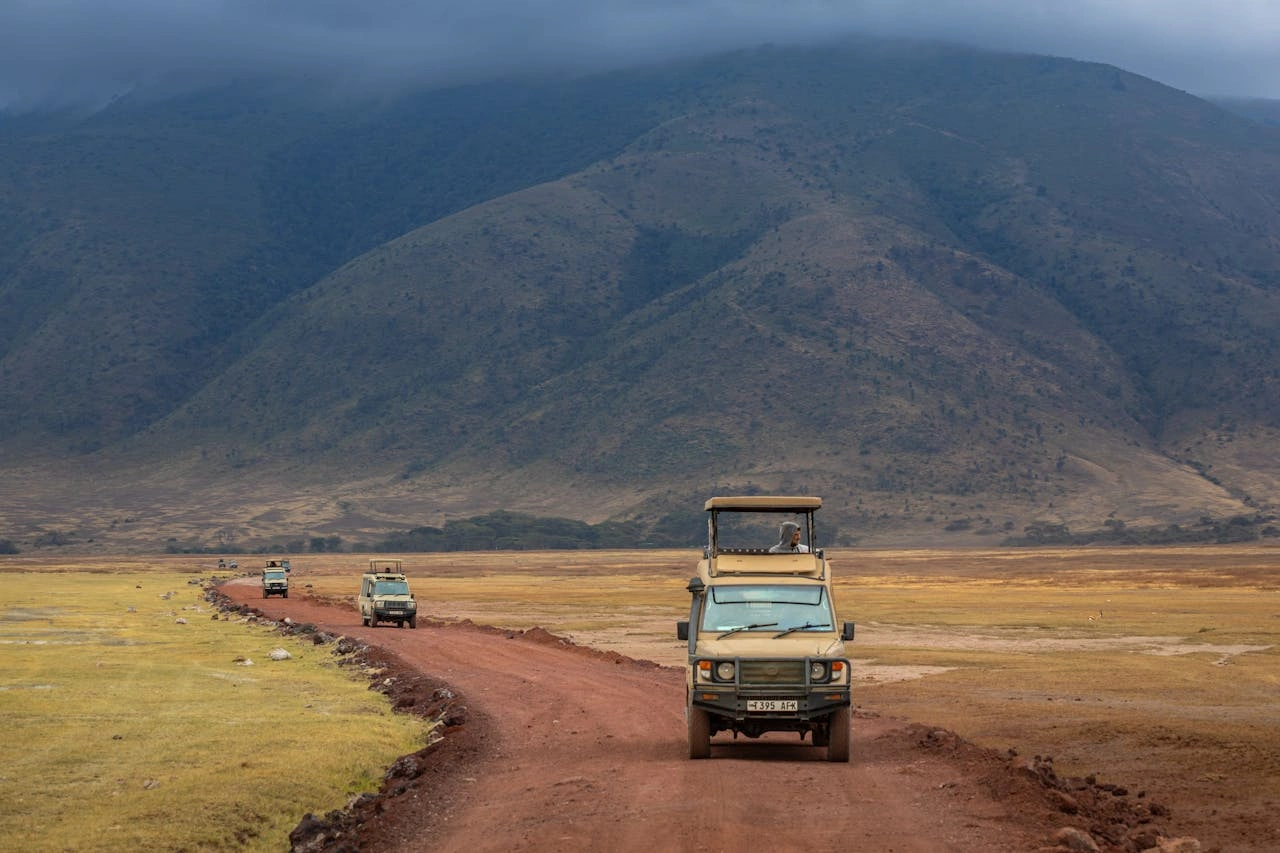
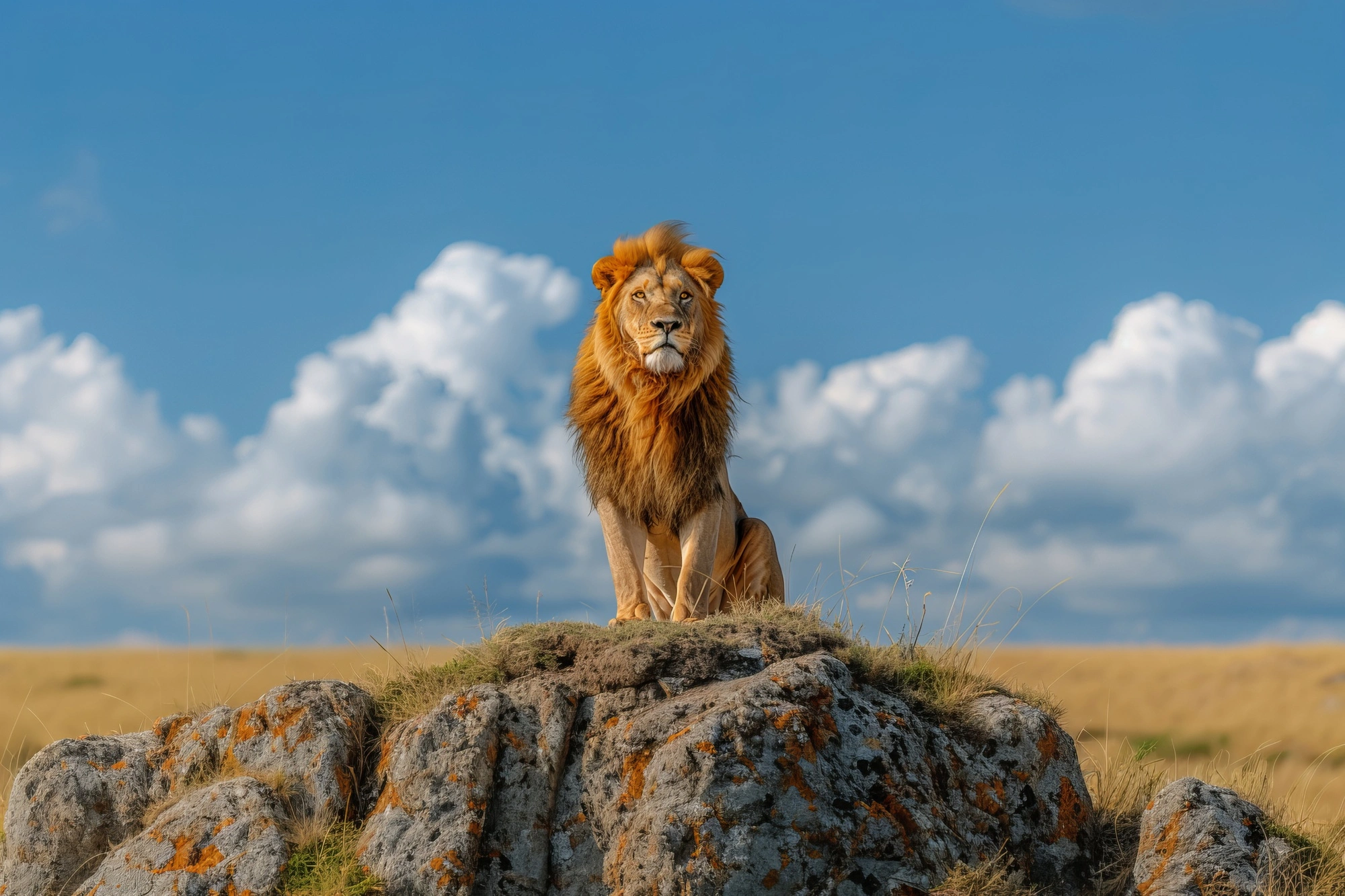
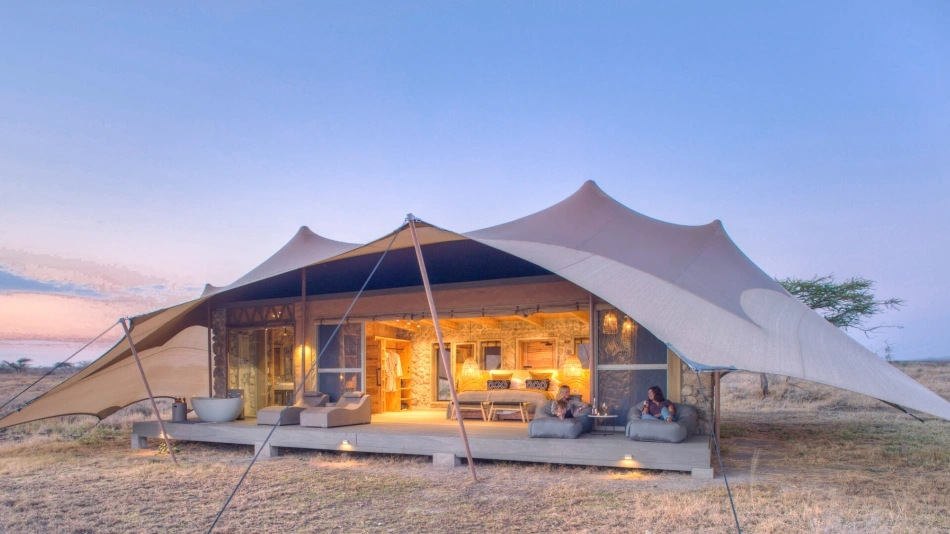
Serengeti National Park — Namiri Plains camp in the eastern plains
Serengeti · Eastern Plains
No. 01 — The Serengeti

Where the plains do not end, and the wild still decides the day

The Serengeti is not a place you visit — it is a system you enter. Fourteen thousand square kilometres of short-grass plains, woodlands, river systems, and rocky kopjes that host the single greatest concentration of wildlife on earth.

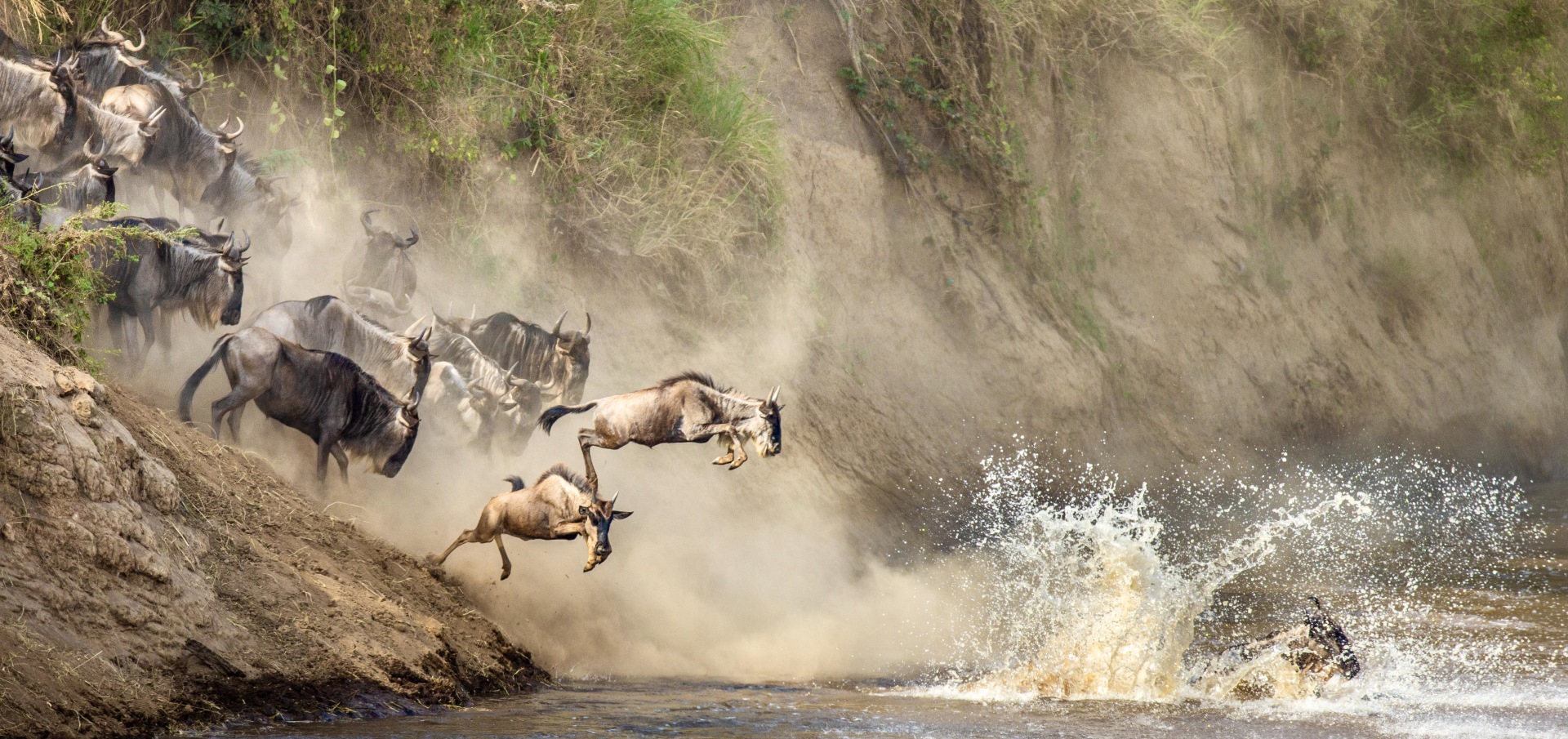
This is where the Great Migration breathes — 1.5 million wildebeest moving in a ceaseless annual circle, stalked by Africa's densest population of lions, cheetahs and hyenas. The sound alone, at night, is something you remember forever.

Signature Experiences
  • Mara River crossings (Jul–Oct)
  • Southern Serengeti calving (Jan–Mar)
  • Big cat intensity, year-round
  • Hot-air balloon safaris at dawn
  • Private conservancy walking safaris
  • Fly-camping in the northern wilderness
14,763 km² Area
UNESCO Heritage Site
Year-round Best visited
Explore Serengeti Safaris
Ngorongoro Crater — living natural amphitheatre in Tanzania
Ngorongoro · The Crater Floor
No. 02 — Ngorongoro

A caldera so perfect it became its own world

Two million years ago, a volcano collapsed in on itself, leaving behind a crater nineteen kilometres wide and six hundred metres deep. Today, that crater is a self-contained ecosystem — a bowl of grassland, forest, and soda lake holding one of Africa's densest wildlife populations.

Lions, elephants, black rhino, and flamingos live inside the walls. Above, on the Ngorongoro Highlands, Maasai still herd cattle the way they have for centuries. It is perhaps the only place on earth where conservation, indigenous pastoralism, and world-class wildlife coexist on the same land.

Signature Experiences
  • Dawn descent into the crater floor
  • Black rhino sightings (resident pop.)
  • Maasai village & boma visits
  • Olduvai Gorge — cradle of humankind
  • Highlands lodges at 2,300m elevation
  • Empakaai & Olmoti crater hikes
19 km Crater width
2M yrs Since collapse
25,000+ Animals inside
Explore Ngorongoro
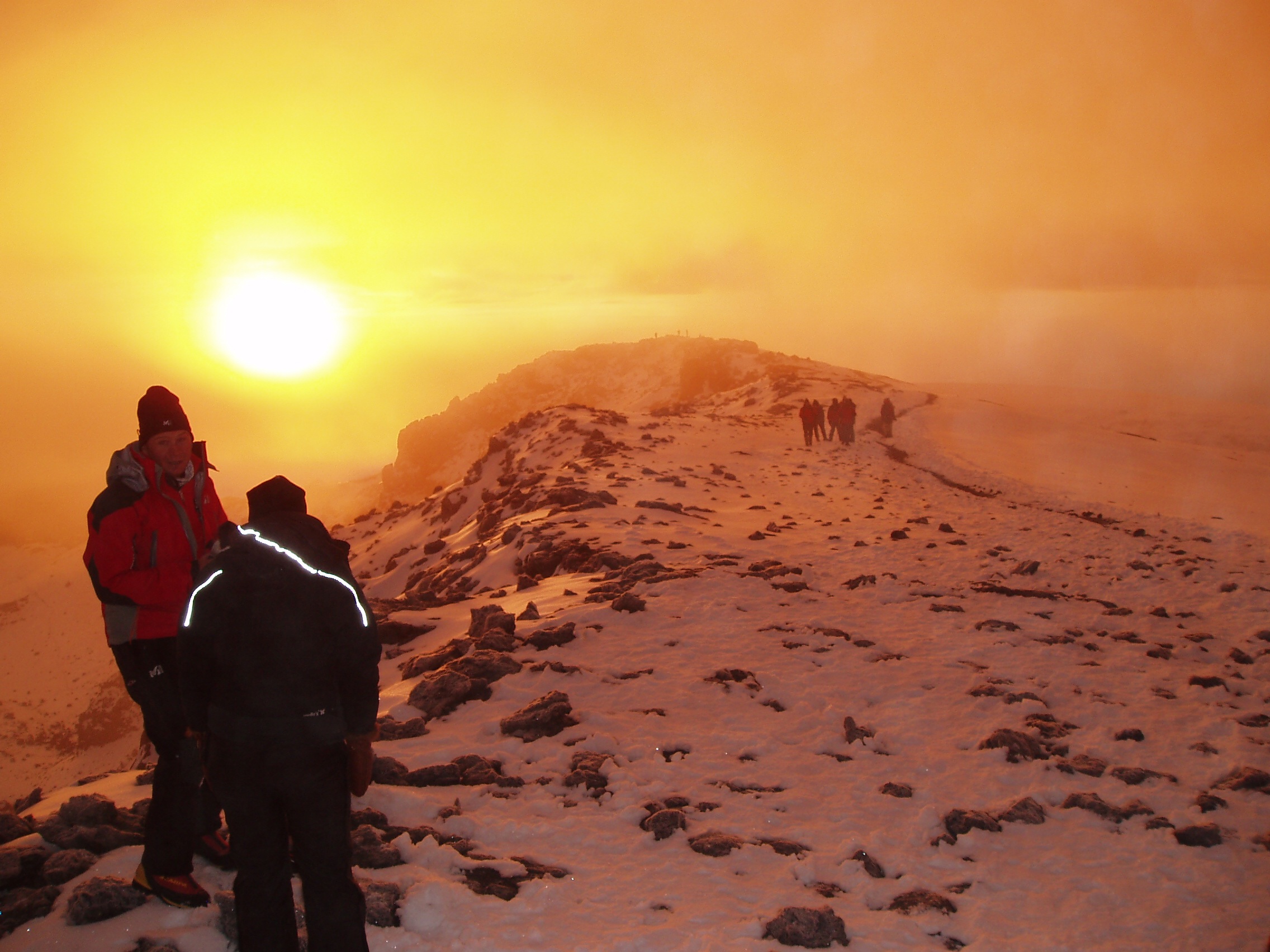
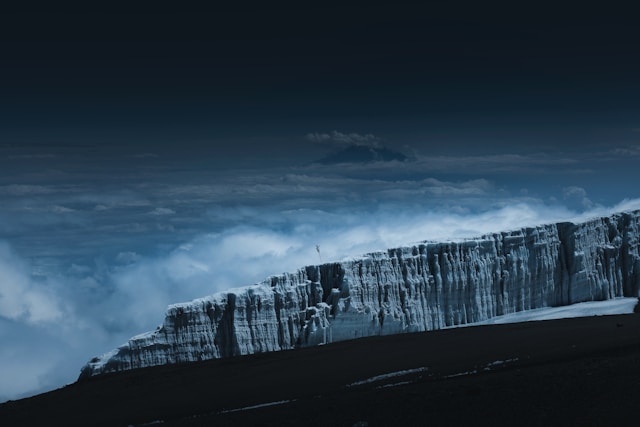
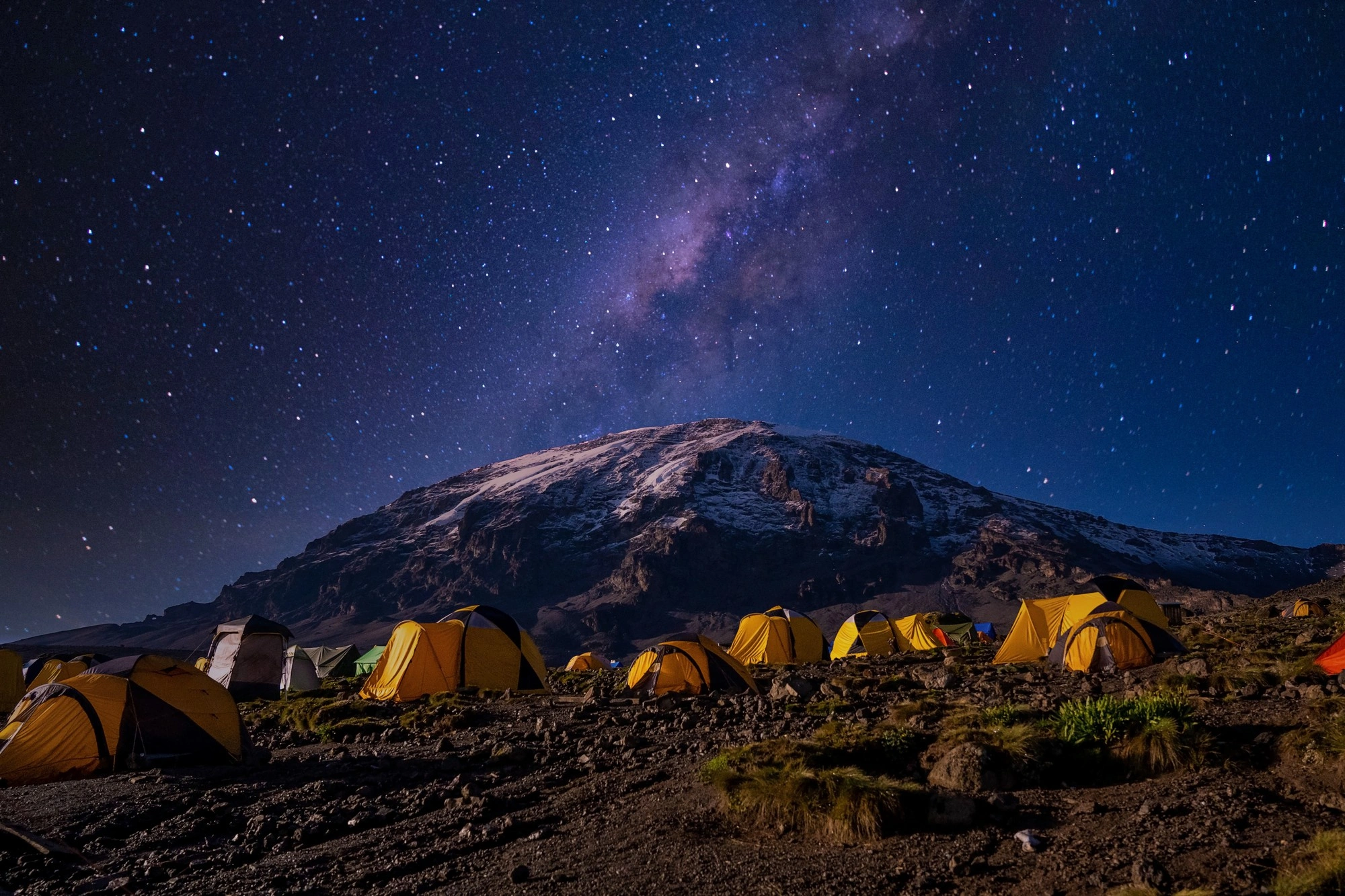
Mount Kilimanjaro — snowcapped summit above Tanzania savannah
Kilimanjaro · Uhuru Peak, 5,895m
No. 03 — Kilimanjaro

The highest free-standing mountain on earth, and a pilgrimage

Five climate zones. Five days of walking. One summit. Kilimanjaro rises almost six kilometres from the surrounding plains — no foothills, no range, just a single massive volcano balanced on the equator with snow on top.

We plan Kilimanjaro climbs for guests at every level, from the 6-day Machame route (the most scenic) to the 8-day Lemosho (best acclimatisation, highest summit success). Rongai approaches from the quieter north. Marangu stays in huts. Every route ends the same way — under the stars at Uhuru Peak, with Africa spread out below.

Route Options
  • Machame — 6–7 days, scenic
  • Lemosho — 7–8 days, best success
  • Rongai — 6–7 days, quieter
  • Marangu — 5–6 days, huts only
  • Northern Circuit — 9 days, wild
  • Umbwe — 6 days, steep & expert
5,895m Summit altitude
5 zones Climate bands
5–9 days Climb length
Explore Kilimanjaro Climbs
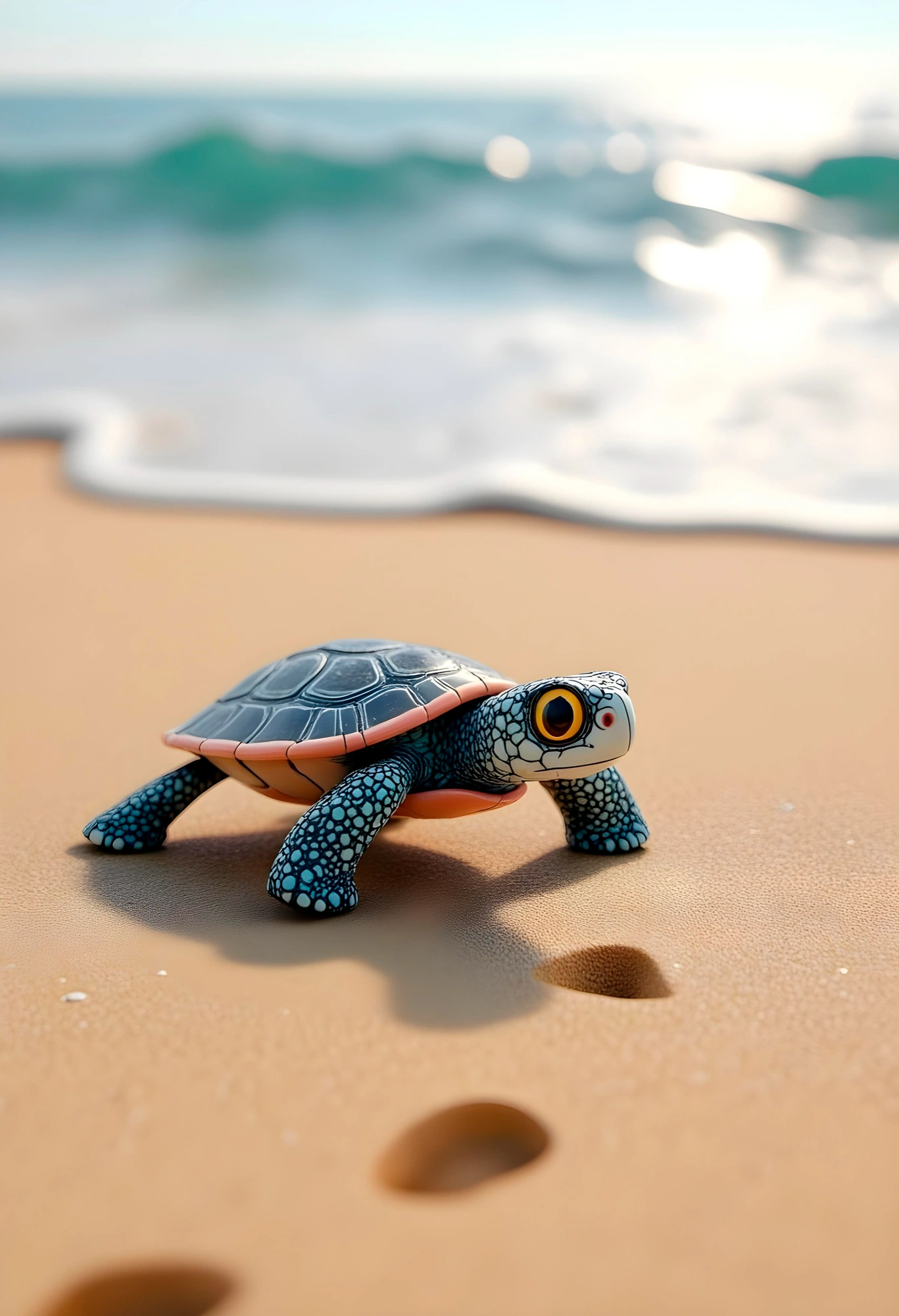
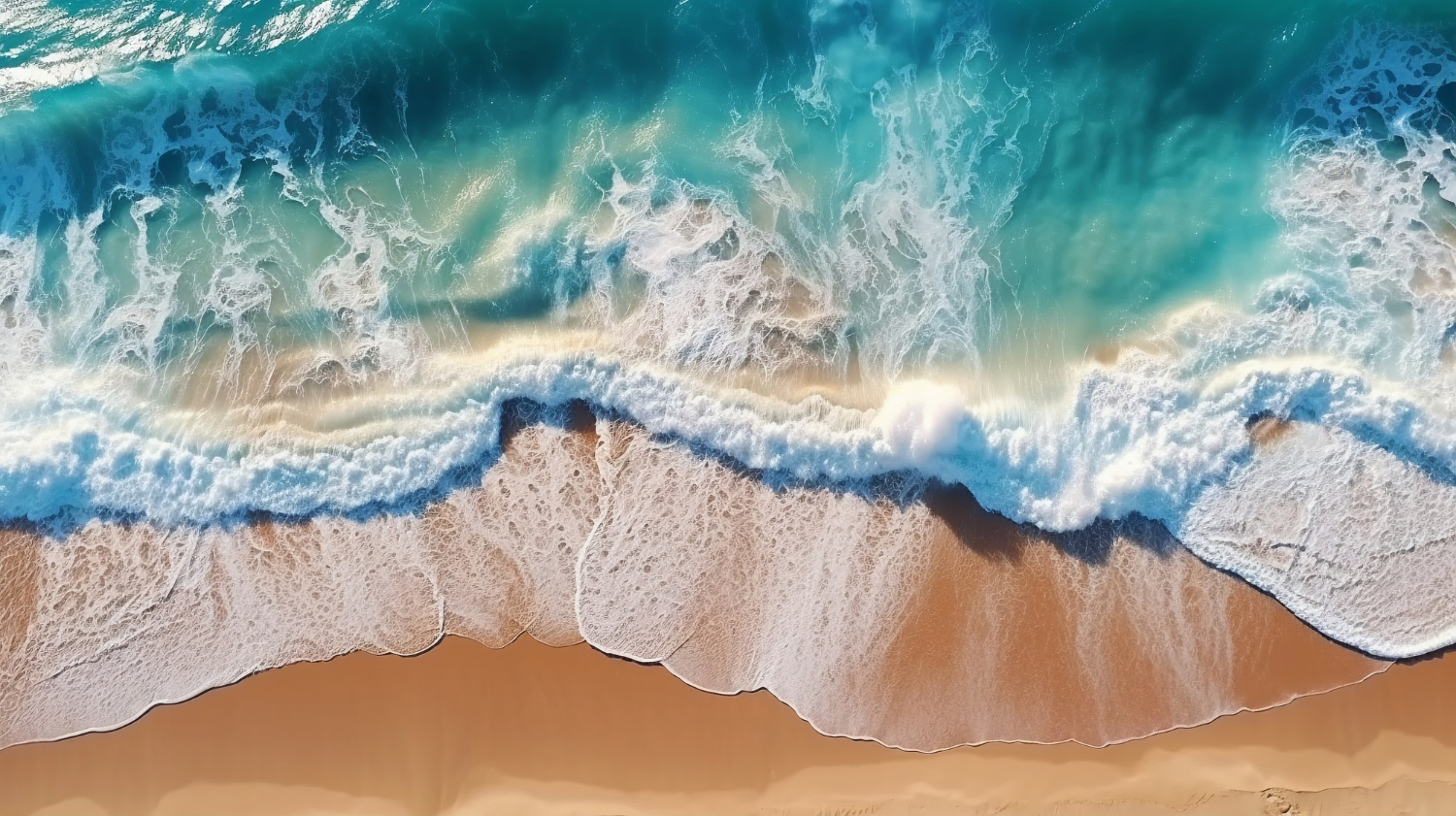
Zanzibar beach — turquoise Indian Ocean and white sand
Zanzibar · Kizimkazi Coast
No. 04 — Zanzibar

The spice island — a soft landing after the wild

Zanzibar is the exhale at the end of a Tanzanian journey. A short flight from the Serengeti drops you onto an island of white sand beaches, emerald waters, Swahili fishing villages, and the tangled streets of Stone Town — a UNESCO-listed fusion of African, Arab, Persian, and European architecture.

The east coast offers the picture-postcard beach — wide tidal flats, palm-lined shores, kitesurf winds in January and July. The north (Nungwi, Kendwa) gives you swimmable beaches at all tides. Pemba and Mnemba Atoll deliver some of the Indian Ocean's finest diving.

Best Of Zanzibar
  • Stone Town — UNESCO old quarter
  • Mnemba Atoll — snorkel & dive
  • Spice plantations — Kidichi, Kizimbani
  • Jozani Forest — red colobus monkeys
  • Swimming with dolphins, Kizimkazi
  • Sunset dhow sail & seafood grill
20 min From Dar es Salaam
27°C Ocean temp (avg)
3–5 nights Ideal stay
Explore Zanzibar Extensions
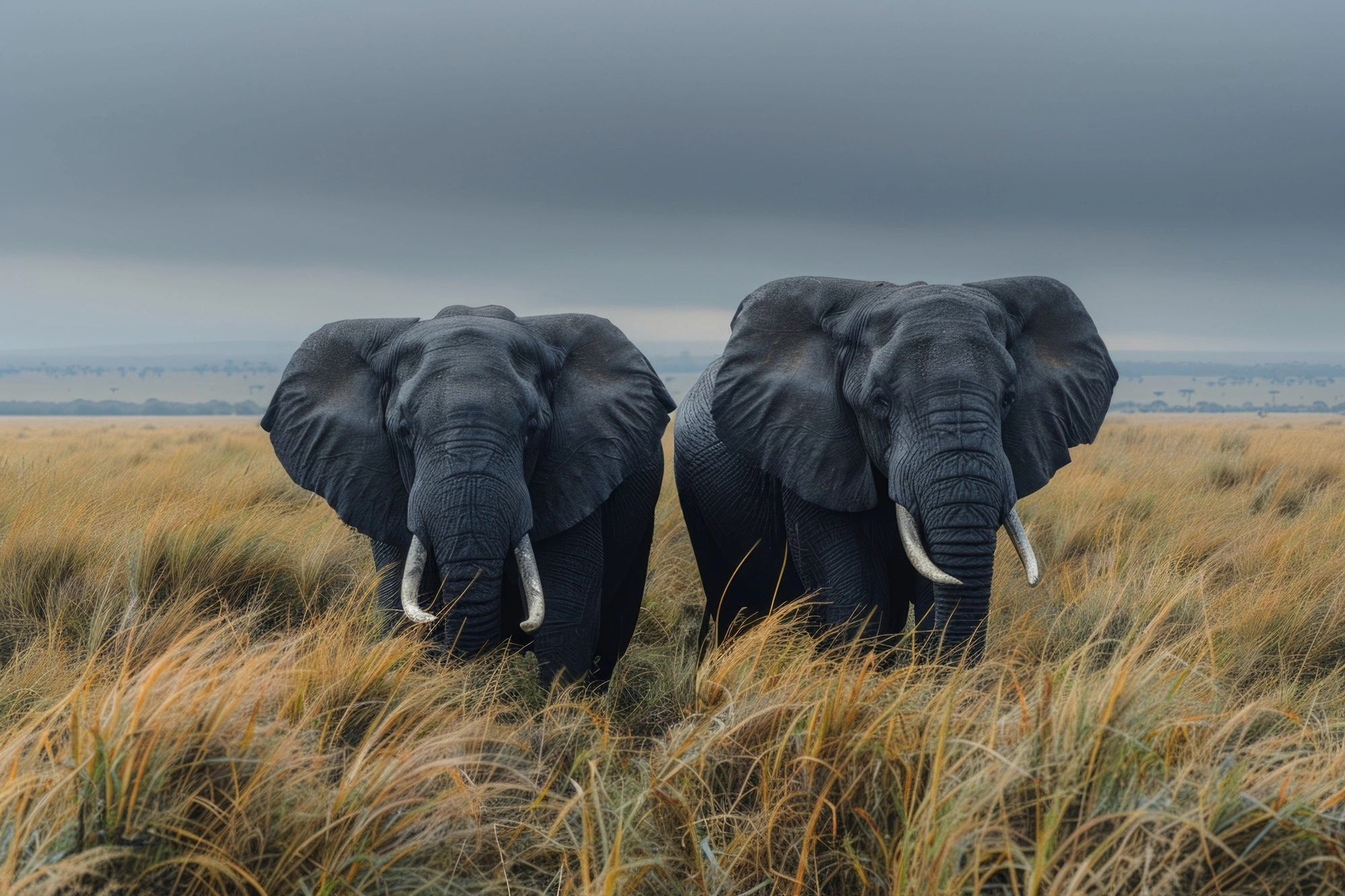
Tarangire and Lake Manyara safari — northern Tanzania circuit
Tarangire · The Elephant Capital
No. 05 — Tarangire & Manyara

The overlooked twins of the northern circuit

Tarangire is Tanzania's open secret. In the dry months (June–October), it holds the highest density of elephants in the country — hundreds of animals gathering along the Tarangire River beneath ancient baobabs that look like the landscape itself has grown roots in the sky.

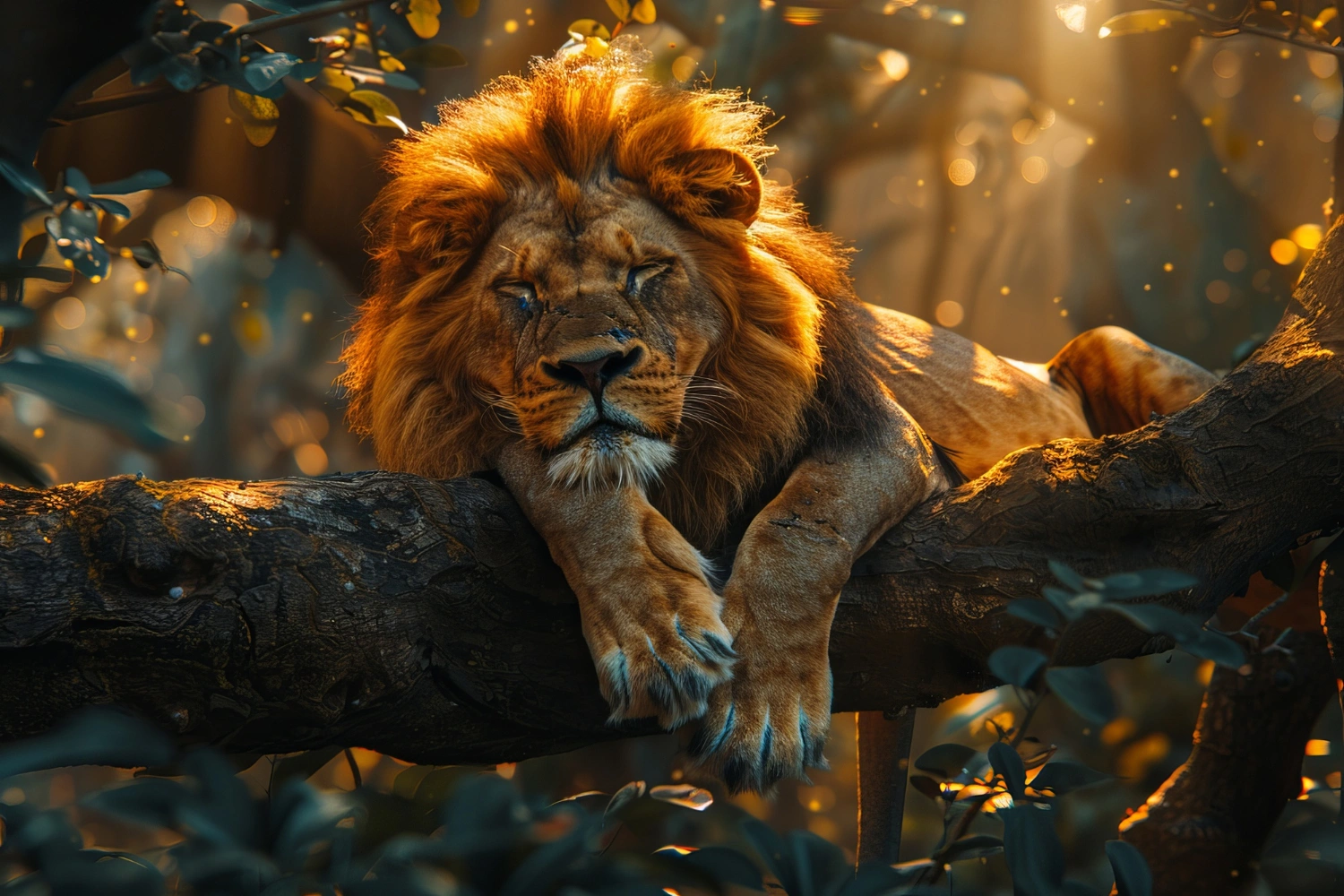
Lake Manyara, just an hour away, delivers an entirely different experience: groundwater forest at the foot of the Rift Valley escarpment, flamingos in their thousands on the soda lake, and the lake's famous tree-climbing lions — an unusual behaviour seen in very few places on earth.

Why It Matters
  • Largest elephant concentration in TZ
  • Ancient baobab cathedrals
  • Manyara's tree-climbing lions
  • Flamingos on the soda lake
  • Great Rift Valley views
  • Canopy walkway at Manyara
2,850 km² Tarangire area
Jun–Oct Elephant peak
1–3 nights Typical stay
See Tarangire Safaris
Ruaha and Nyerere National Park — Tanzania southern circuit wilderness
Ruaha · Southern Highlands
No. 06 — The Southern Circuit

Tanzania's wild, quiet half

South of the classic northern trail lies a different Tanzania — vast, uncrowded, and operator-favourite wilderness. Ruaha National Park is the country's largest, with a tenth of Africa's remaining lion population and elephant herds that feel prehistoric in scale.

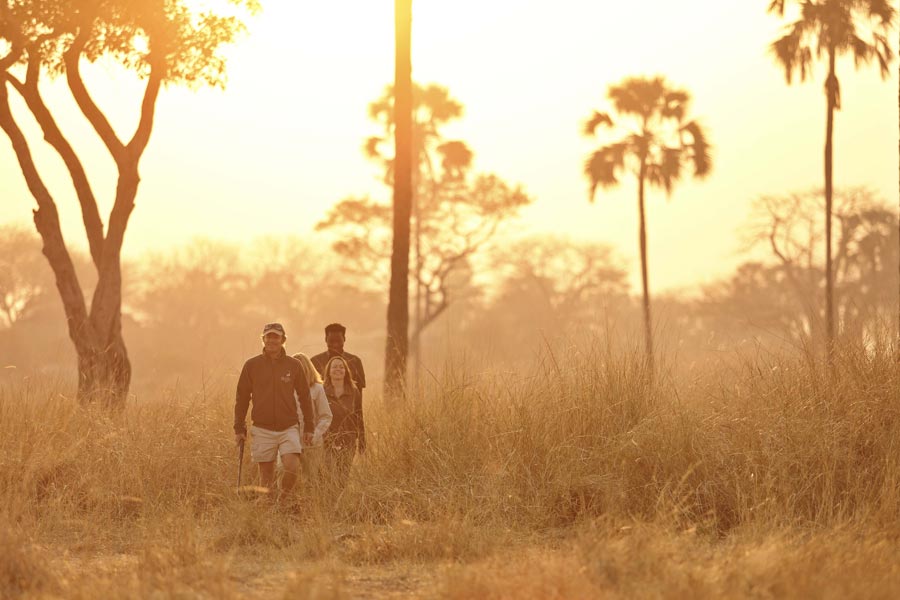
Nyerere National Park (formerly Selous) spans over 50,000 km² of miombo woodland and the Rufiji River system — the only park in the northern hemisphere where you can safari by boat as well as by vehicle. Walking safaris here are extraordinary, and the camps feel properly remote.

Why Go South
  • 10% of Africa's lions in Ruaha
  • Boat safaris on the Rufiji
  • Walking safaris as standard
  • Miombo woodland & baobabs
  • Fewer vehicles at sightings
  • Combines beautifully with Zanzibar
20,226 km² Ruaha area
50,000 km² Nyerere area
Jun–Nov Best window
Explore Southern Circuit
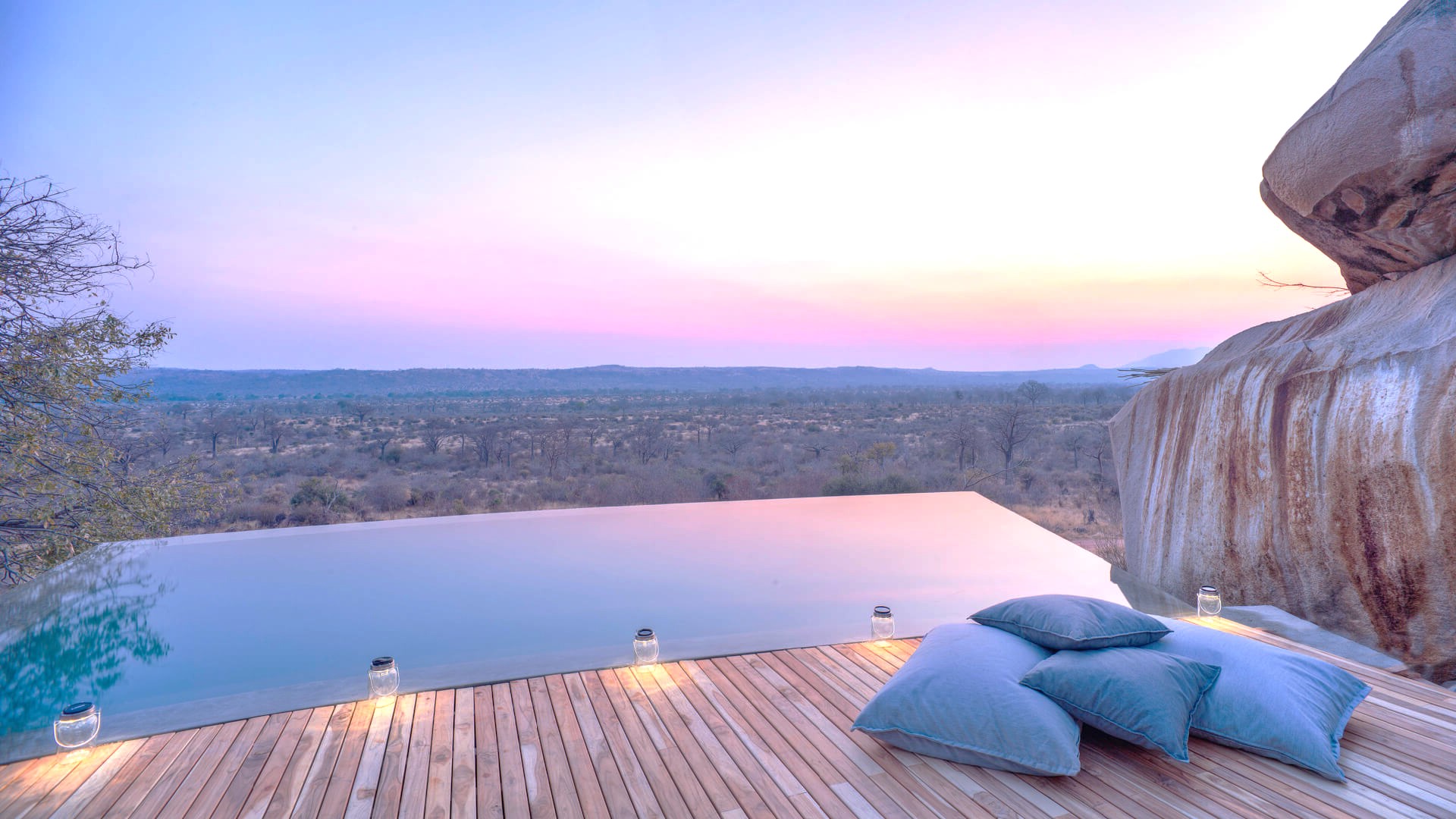
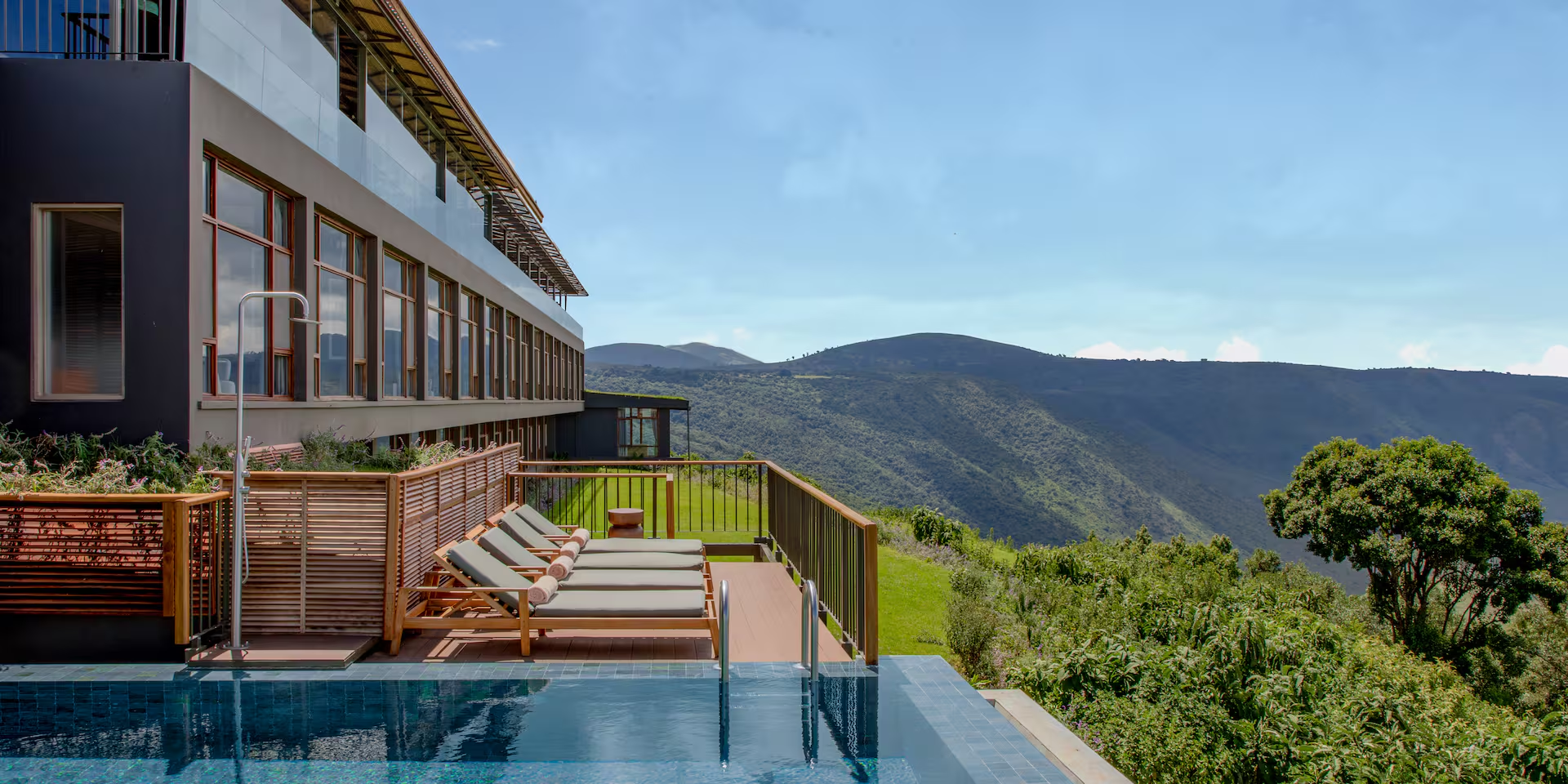
Where We Send Our Guests

A handful of the camps we trust

Every Tanzanian journey is anchored by its accommodation. These are three we return to again and again — each in a different part of the country, each defining its category.

Sample Routes — Starting Points

How to sequence the best of Tanzania

Three journey lengths, three stories. Every itinerary is a starting point — we tailor the route around your dates, pace, and style.

7days

Northern Circuit Essentials

Arusha → Tarangire → Ngorongoro → Central Serengeti → Arusha

  • Day 1: Arrive Arusha, overnight
  • Day 2: Tarangire National Park
  • Day 3: Ngorongoro Crater descent
  • Day 4–6: Central Serengeti game drives
  • Day 7: Fly out of Seronera
From USD 5,200pp
Build This Journey
14days

Kilimanjaro & Safari Epic

Kilimanjaro (Machame) → Serengeti → Ngorongoro → Zanzibar

  • Day 1–7: Kilimanjaro — Machame Route
  • Day 8: Arusha rest & recovery
  • Day 9–11: Central Serengeti fly-in
  • Day 12: Ngorongoro Crater
  • Day 13–14: Zanzibar exhale
From USD 11,400pp
Build This Journey
The Tanzanian Year

When to visit, and why

The Tanzanian calendar is shaped by rain, migration, and air pressure. Every month tells a different story.

Jan–Mar
Calving Season

Southern Serengeti

Wildebeest give birth on the short-grass plains — up to 8,000 calves a day. Predator action peaks. Warmer, occasional short rains.

Apr–May
Green Season

Rains & Renewal

The long rains. Landscape at its greenest, lowest camp rates, excellent birding. Some remote camps close — the ones open are a genuine bargain.

Jun–Oct
Peak Dry Season

Mara Crossings

The headline months. Herds cross the Mara River in the northern Serengeti (Jul–Oct). Cool, dry, concentrated wildlife. Book 9–12 months ahead.

Nov–Dec
Short Rains

Return South

Brief afternoon showers, clear mornings. Herds begin moving south. Festive premium from mid-December; otherwise excellent value.

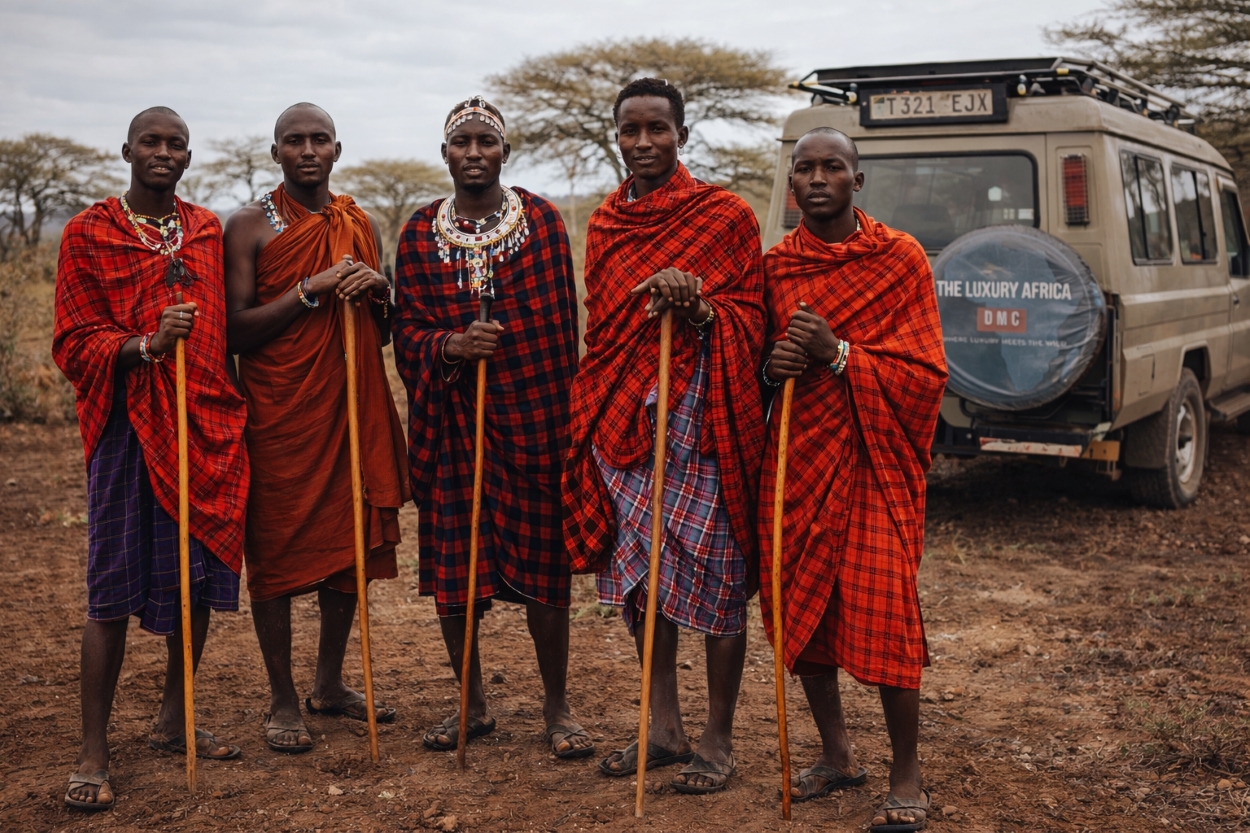
Maasai cultural experience Tanzania — traditional jumping ceremony
The People & The Place

Two cultures, one country — and both deeply welcoming

Tanzania is home to more than 120 ethnic groups, but two cultures shape what most travellers experience: the semi-nomadic Maasai of the northern savannahs, and the Swahili coastal culture that has defined the Indian Ocean shore for more than a thousand years.

We build cultural encounters carefully — never as performance, always as genuine exchange. An evening with Maasai elders in a boma outside Ngorongoro. A market walk through Stone Town with a Swahili historian. A cooking class on Zanzibar. These are the moments guests remember long after the big cats have faded.

  • Maasai boma visits Spend an evening or morning with Maasai families outside Ngorongoro & Arusha.
  • Stone Town, Zanzibar UNESCO-listed Swahili architecture — 19th-century doors, spice markets, former slave-trade sites.
  • Swahili cooking & spice tours Pilau, biriyani, coconut curries — Zanzibar's Arab-Persian-African fusion cuisine.
  • Walking safaris with Maasai trackers Bush walks in private conservancies led by Maasai guides who read the land.
Practical Essentials

The need-to-know before you come

Quick-reference facts. For the full planning guide, see our Safari Cost page or speak to our team.

Visa
USD 50
e-Visa online before arrival
Health
Yellow Fever
Required if arriving from endemic zones
Arrive Via
JRO / ZNZ / DAR
Kilimanjaro, Zanzibar, or Dar es Salaam
Currency
TZS & USD
USD widely accepted for safaris
Time Zone
GMT+3
East Africa Time, year-round
Languages
Swahili & English
English universal in tourism
Safari Temps
12–28°C
Cool mornings, warm midday
Power
Type G · 230V
UK-style 3-pin plugs
Planning Questions

The questions we're asked most often

Answers based on twenty years of planning Tanzanian journeys.

What is the best time to visit Tanzania?

The dry season from June to October is the classic window — cooler, less rain, concentrated wildlife, and the Mara River crossings in the northern Serengeti from July to October. January to March offers the calving season in the southern Serengeti — newborn wildebeest, intense predator action, and lower rates. April and May are the quietest months with the lowest prices.

How many days do I need for the best of Tanzania?

A minimum of 7 days covers the Northern Circuit classics — Tarangire, Ngorongoro, and Serengeti. Ten days allows a Zanzibar finish. Fourteen days comfortably adds either Kilimanjaro or Southern Tanzania's Ruaha and Nyerere parks. Twenty-one days is our favourite length — enough for Kilimanjaro, a proper safari, and a real Zanzibar stay.

Is Tanzania safe for tourists?

Yes. Tanzania is one of Africa's most stable and welcoming countries. Safari areas and tourist zones in Arusha, Zanzibar, and the national parks are well-managed, with professional guides and established infrastructure. Normal travel common sense applies in urban areas, but the safari circuit and island itself are very secure.

Can I combine Kilimanjaro and safari in one trip?

Yes — and we recommend it. Climb Kilimanjaro first (5–8 days), then decompress with a 5–7 day northern circuit safari. Finish on Zanzibar for the full Tanzanian arc. This sequence works best because your body is acclimatised, the summit is behind you, and safari days are lower altitude.

What is the Great Migration and where do I see it?

The Great Migration is the year-round circular movement of 1.5 million wildebeest and 300,000 zebra through the Serengeti–Mara ecosystem. In Tanzania, you'll see it in the southern Serengeti and Ndutu (Jan–Mar, calving), central/western Serengeti (Apr–Jun), or the northern Serengeti Mara River crossings (Jul–Oct). Different months, different spectacles — all breathtaking.

What do I pack for a Tanzania safari?

Neutral colours (khaki, olive, beige — avoid black, dark blue, and bright white), a warm fleece for cold dawns, a light rain shell, a wide-brimmed hat, good sunglasses, and closed shoes. Zanzibar is the opposite — lightweight summer clothing and modest cover-ups for Stone Town. Luggage on light aircraft is typically limited to 15kg in soft bags.

Do I need malaria tablets?

Yes. Most of Tanzania is a malaria zone. Consult your doctor at least 4–6 weeks before travel — common prescriptions include Malarone, doxycycline, or Mefloquine. Zanzibar and the coast are generally considered lower-risk than the mainland but still require prophylaxis. Pack insect repellent with DEET.

How do I get between parks — drive or fly?

Short answer: a mix. The northern circuit (Tarangire, Manyara, Ngorongoro, central Serengeti) works beautifully by road. For northern Serengeti, southern circuit, or Zanzibar transitions, fly. Light-aircraft charters cost USD 280–520 per person but save half a day's drive and preserve your energy for game viewing.

When should I book for peak season?

For July–October in the northern Serengeti or Mara River crossings, book 9–12 months ahead. Premier camps (Namiri Plains, Sayari, Olakira) fill even earlier. Green season and shoulder months can often be arranged inside 3–4 months with full camp choice.
Ready to plan your Tanzanian arc?

Share your dates, rough budget, and the two or three places that have pulled you here. Our planners will build the route around them — and send a considered proposal within 48 hours.

Continue Planning

Related journeys & information