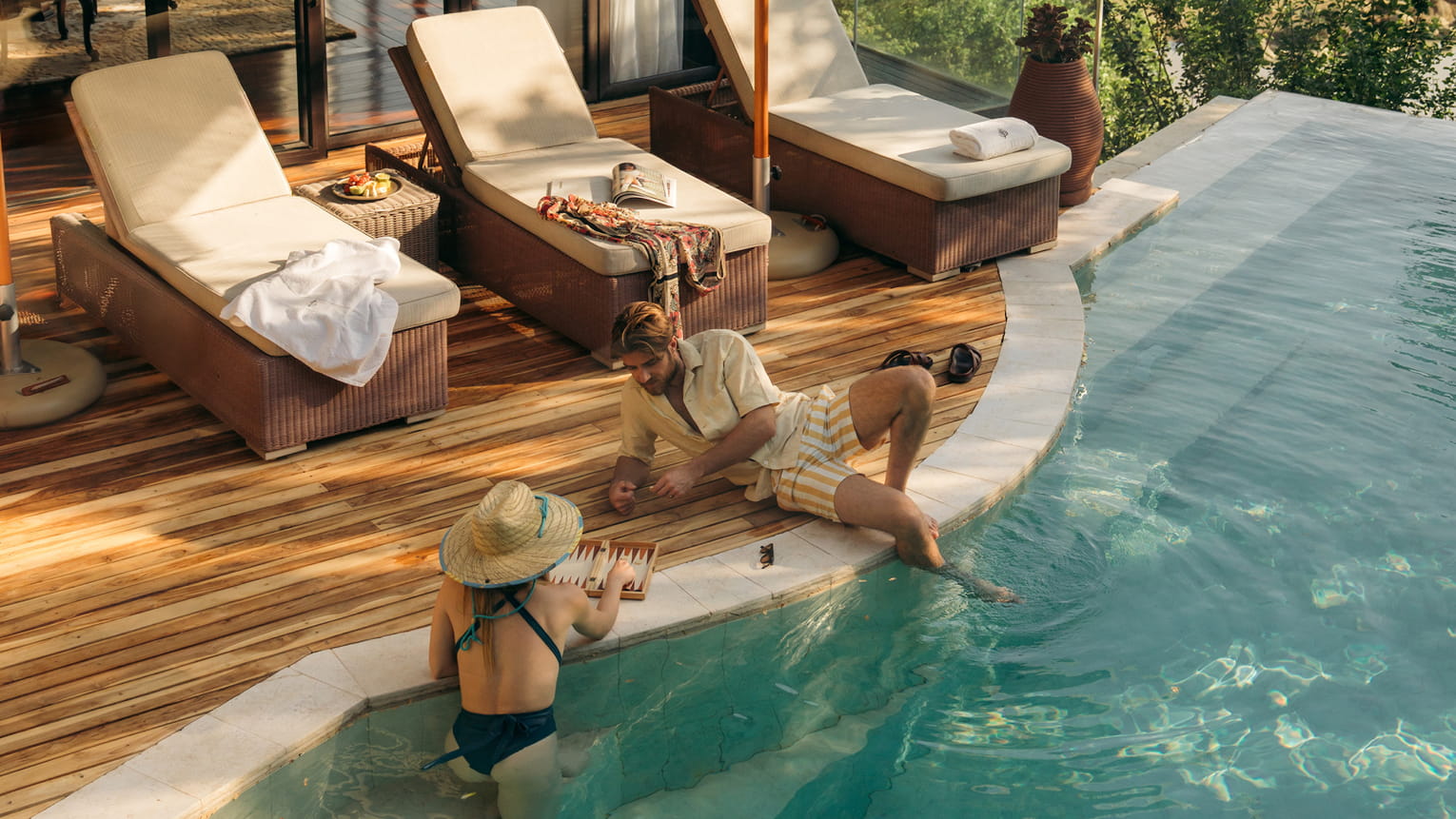
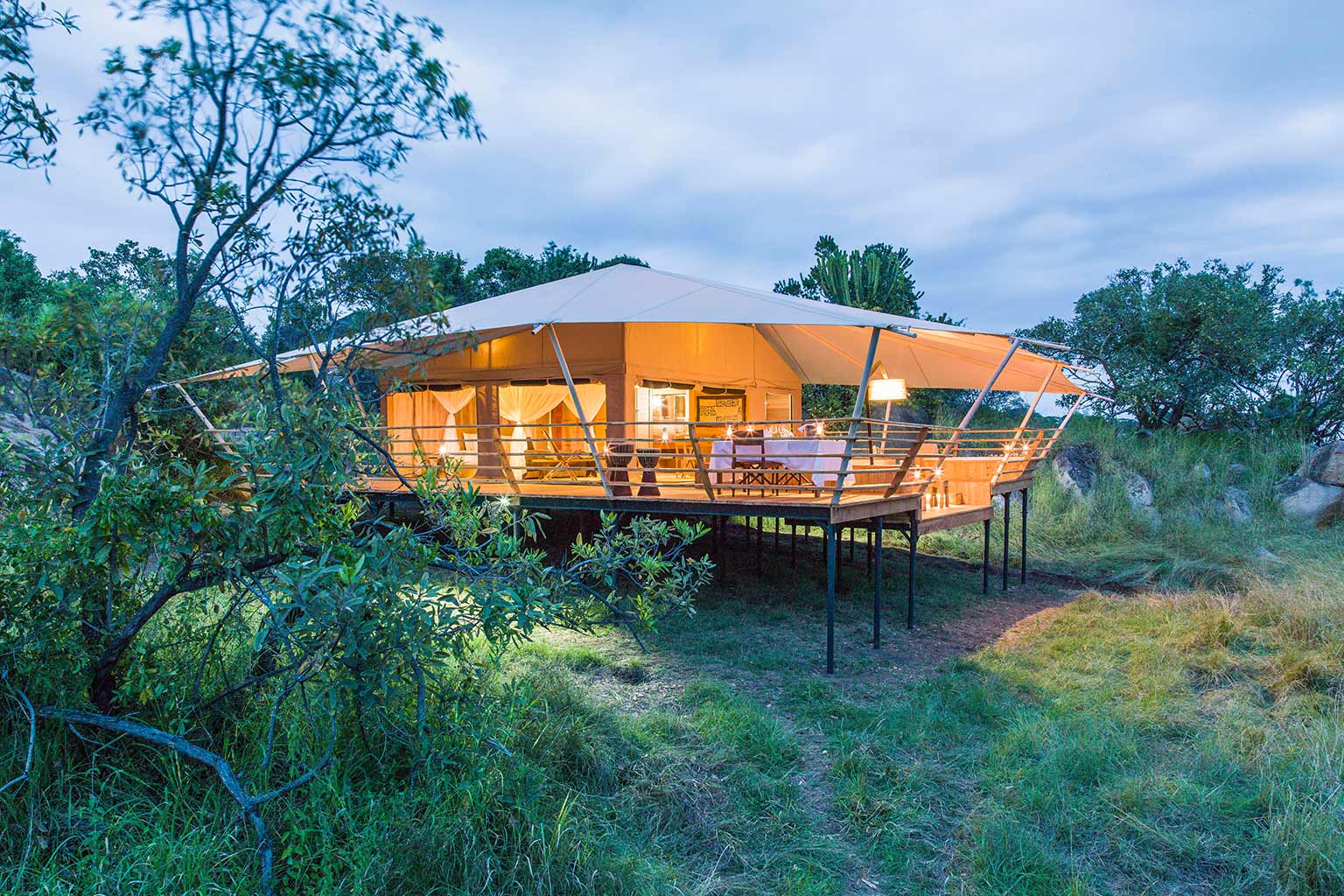
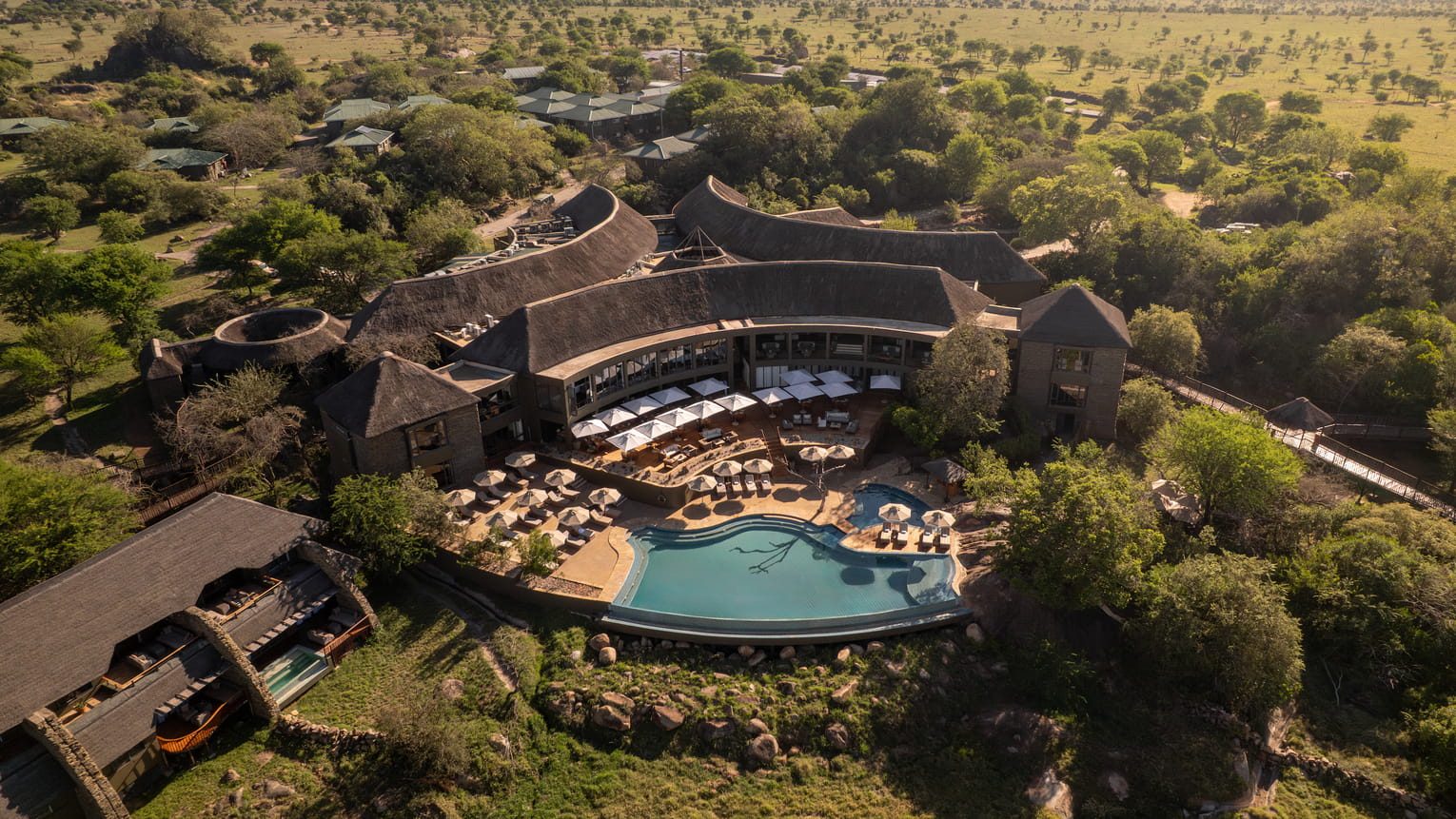
Luxury safari camp in the Serengeti — operator guide to safari cost
2026 Pricing Guide — Honest & Operator-Built

How much does an African safari cost?

An honest, operator-level breakdown of what you actually pay — per person, per day — from budget to ultra-luxury. Real rates, real sample budgets, and the details that quietly shape your total.

$350–$3,500+ Per person, per day
4 Tiers Budget · Mid · Luxury · Ultra
2026 Rates Updated for next season

The quick answer — pricing at a glance

A good African safari today runs anywhere from USD 350 to USD 3,500+ per person per day, all-inclusive. Where you land depends on four things: the camps you choose, the season you travel, whether your journey is private or shared, and whether you fly or drive between parks. Here's the honest breakdown.

Budget
$350–$550
per person / day
Mid-Range
$600–$950
per person / day
Luxury
$1,000–$1,800
per person / day
Ultra-Luxury
$1,800–$3,500+
per person / day
Four Tiers, Clearly Explained

Choose the level that matches your journey

Every tier has its place. The difference isn't always quality of wildlife — it's quality of camp, privacy, pacing, and how invisibly the logistics work.

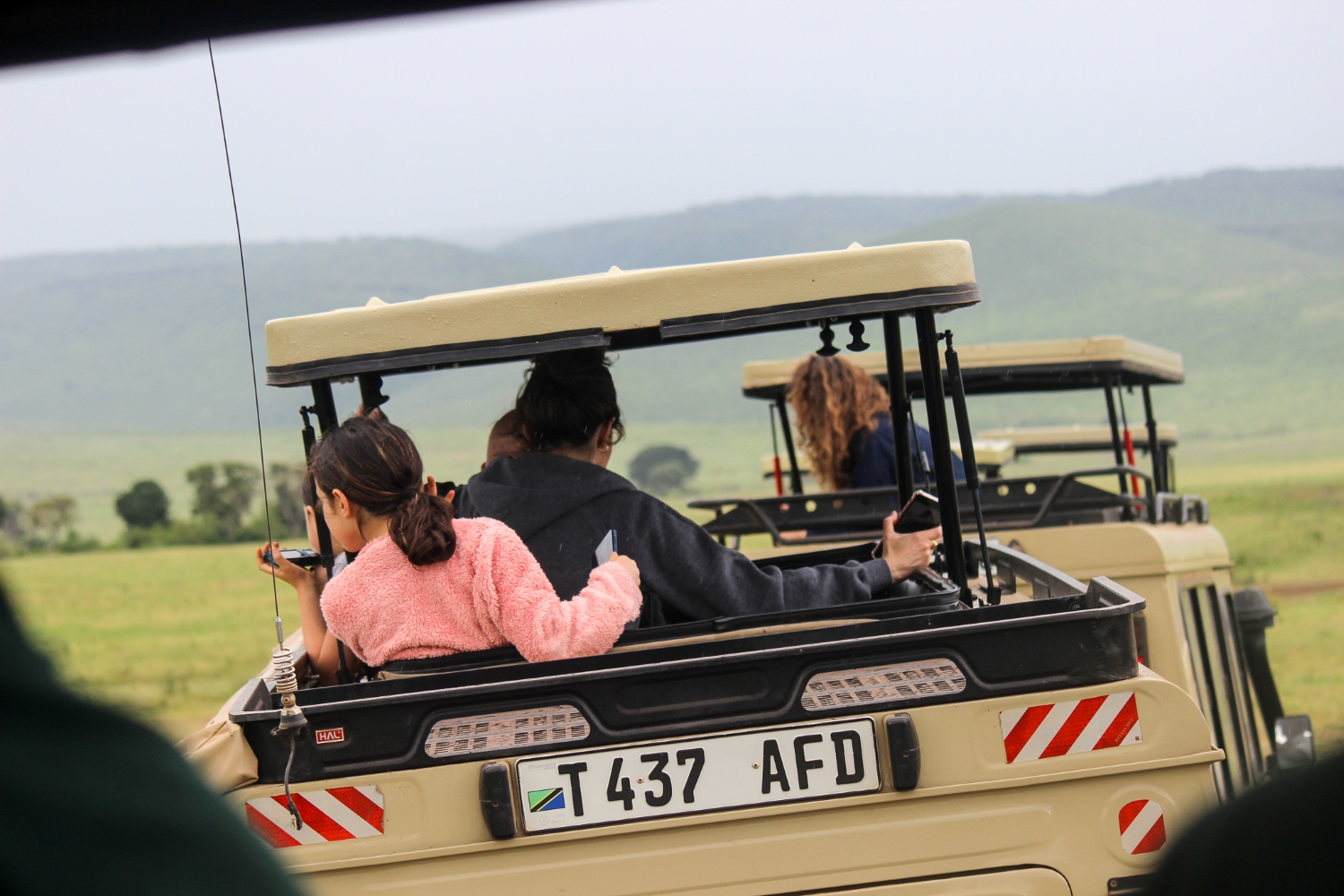
Budget safari — Tanzania northern circuit shared-vehicle journey
Entry
Budget

The Honest Start

$350–$550/ day
Per person, sharing

Small-group departures, simple tented camps, 4×4 game drives shared with other travellers. A credible first safari for the curious.

  • Shared 4×4 vehicle (6–7 guests)
  • Mid-range tented camps & lodges
  • Northern circuit (Tanzania) or Mara (Kenya)
  • Driver-guide, most meals, park fees
Plan a Budget Safari
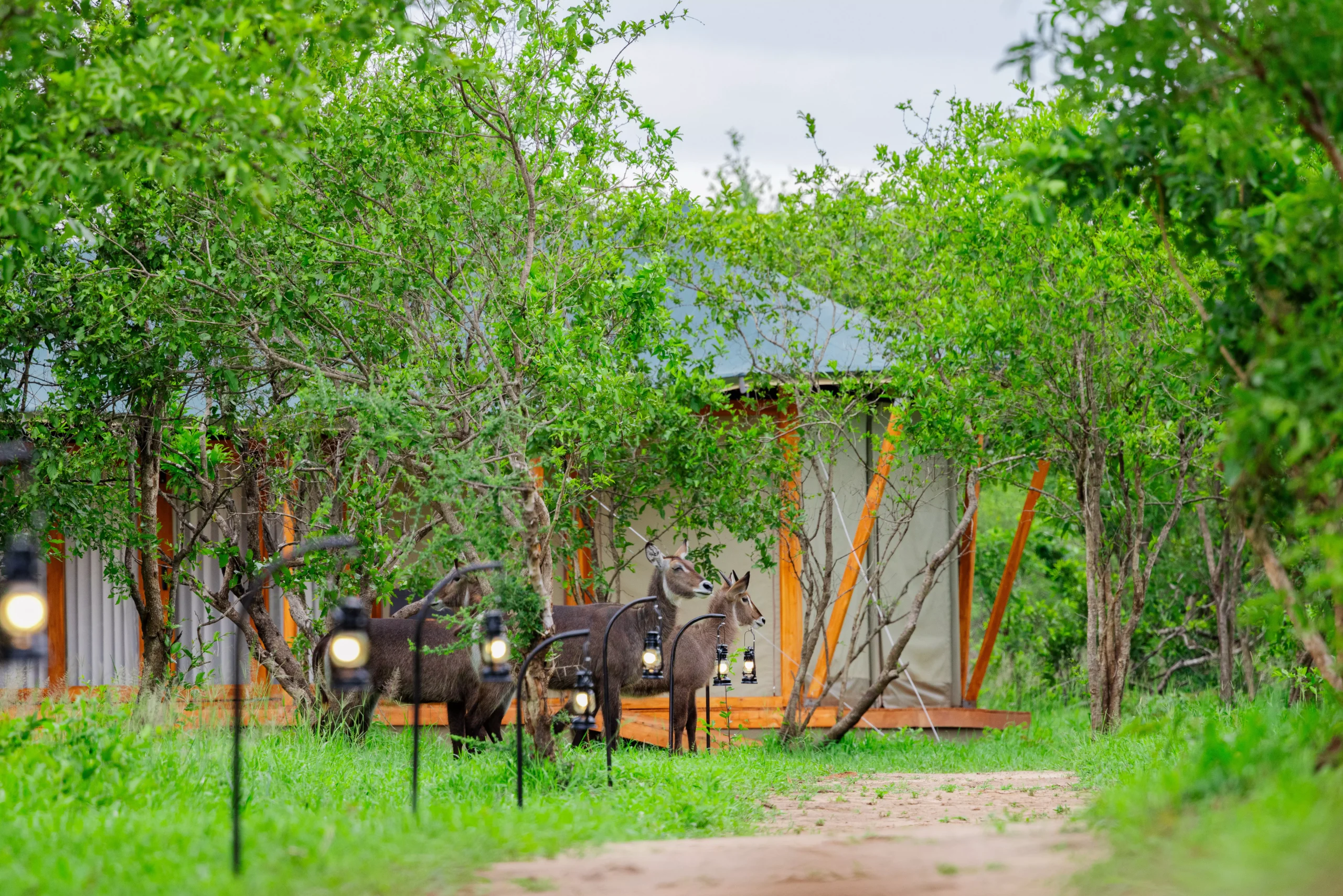
Mid-range safari camp — comfortable tented lodge in northern Tanzania
Comfortable
Mid-Range

Comfort & Calm

$600–$950/ day
Per person, sharing

The sweet spot for most first-time guests — private vehicle, well-rated lodges, strong guiding, and genuinely restful finishes after each drive.

  • Private 4×4 with pop-top roof
  • Well-rated lodges (e.g. Aya Sophia)
  • Dedicated English-speaking guide
  • Road circuit with optional fly-in
Plan a Mid-Range Safari
Ultra-luxury safari experience — Giraffe Manor Nairobi private estate
Ultra
Ultra-Luxury

Private & Exclusive

$1,800–$3,500+/ day
Per person, sharing

Private use villas, exclusive-use camps, helicopter transfers, and the highest standard of guiding. A journey without edges.

  • Exclusive-use camps & private villas
  • Helicopter & private charter options
  • Private guide, tracker & vehicle
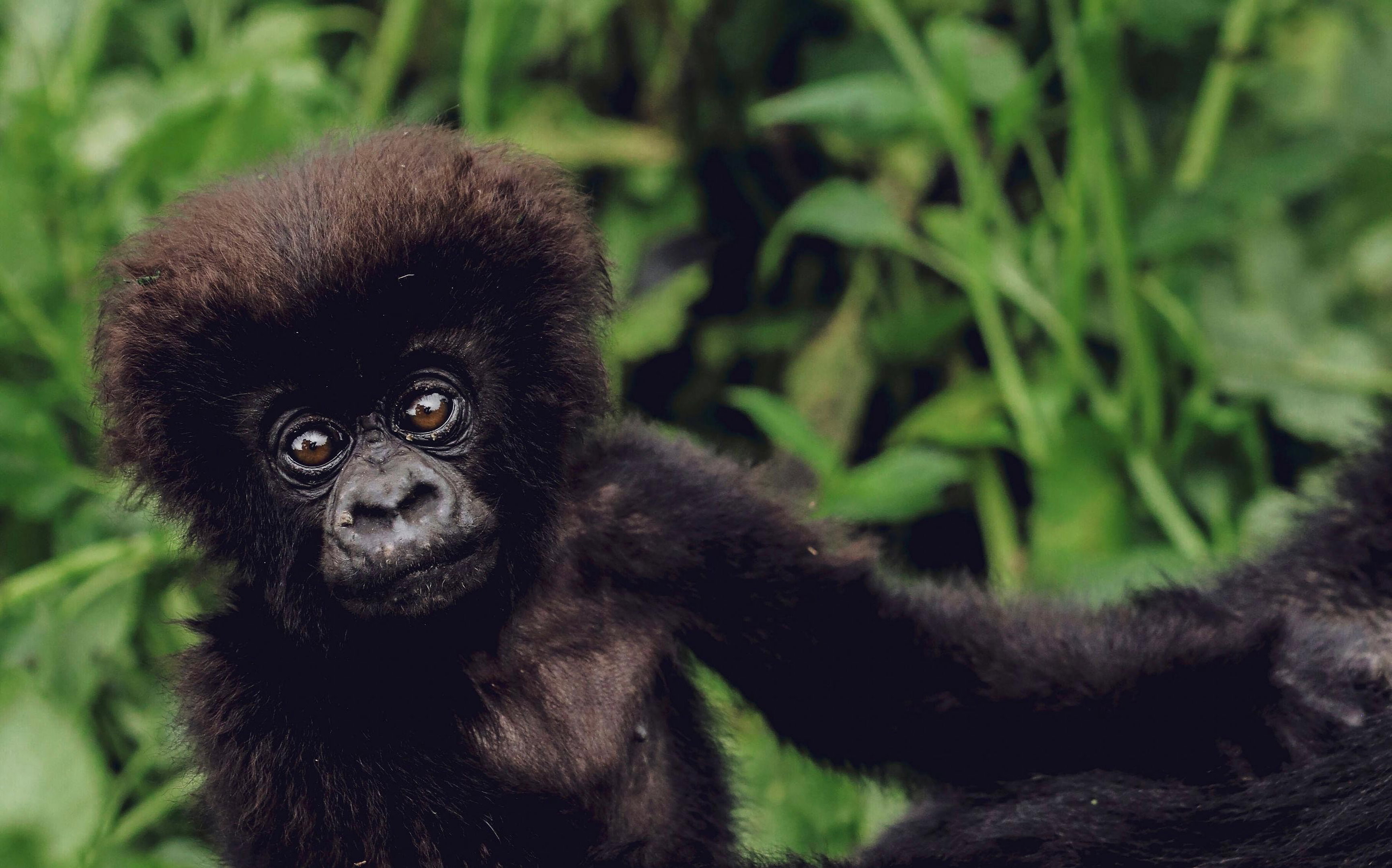
  • Bespoke extensions (Rwanda, Botswana)
Plan an Ultra Safari
What Actually Drives The Total

Six decisions that quietly shape your budget

The same route, the same nights, and the same country can vary by thousands of dollars depending on these calls. Here's how an operator thinks about them.

01

Camp Choice & Position

Location inside a park matters more than star rating. A well-positioned mid-range camp inside the Serengeti often outperforms a luxury camp three hours from the action.

02

Season & Migration Timing

Peak dry season (July–October) and river-crossing months carry the highest camp rates. Green season (March–May) offers the same wildlife at materially lower cost.

03

Private vs Shared

A private vehicle, private guide, and private transfers can add 30–60% — but transforms your days. This single decision is often what separates a good safari from a great one.

04

Fly-In vs Road

Short charter flights between parks cost more upfront but save hours, preserve energy, and unlock remote camps that road routing cannot reach.

05

Park & Conservancy Fees

Ngorongoro and Serengeti carry some of Africa's highest day fees. Kenyan private conservancies add premium access but offer walking, night drives, and off-road benefits.

06

Group Size

Two travellers share costs over a smaller base; four to six guests unlock better per-person rates. Solo travellers face single supplements — we help sequence them carefully.

Real Sample Budgets

What trips actually cost, end to end

Per-person totals for real itineraries we operate — inclusive of camps, meals, park fees, transfers and guiding. Excludes international flights and tips.

7-day Tanzania northern circuit safari — sample budget 7 Days
Classic Tanzania

Northern Circuit Essentials

Tarangire → Ngorongoro → Central Serengeti. The clean first-safari route.

Budget$3,500 pp
Mid-Range$5,200 pp
Luxury$9,800 pp
Ultra-Luxury$16,500+ pp
Build This Trip
10-day Tanzania and Zanzibar signature safari — sample budget 10 Days
Signature Journey

Tanzania & Zanzibar

Tarangire → Ngorongoro → Serengeti → Zanzibar. Our most-booked route.

Budget$5,100 pp
Mid-Range$7,800 pp
Luxury$14,500 pp
Ultra-Luxury$24,000+ pp
Build This Trip
14-day Tanzania Kenya Great Migration safari — sample budget 14 Days
Cross-Border

Tanzania & Kenya Migration

Serengeti north → Masai Mara. Built around the crossings.

Budget$7,400 pp
Mid-Range$11,200 pp
Luxury$19,800 pp
Ultra-Luxury$34,000+ pp
Build This Trip
What Your Money Covers

What's included — and what to plan for separately

An honest breakdown. Most safari costs are genuinely all-inclusive in-country; a few line items sit outside.

Included in our quoted price

  • All accommodation at your chosen camps & lodges
  • All meals at camp, including bush breakfasts & sundowners
  • All game drives in a 4×4 with professional guide
  • All park, reserve & conservation fees
  • Airport meet-and-greet and all ground transfers
  • Domestic flights between parks (on fly-in routings)
  • Bottled water, coffee & most house beverages
  • 24/7 in-country DMC support throughout your journey

Plan for separately

  • International flights to Kilimanjaro or Nairobi (JRO / NBO)
  • Tanzania & Kenya visas (≈ USD 50–100 each)
  • Travel & medical insurance (required, non-negotiable)
  • Gratuities for guides, trackers & camp staff
  • Premium wines, champagne & imported spirits
  • Spa treatments & optional hot-air balloon safaris
  • Personal shopping & souvenirs
  • Covid or yellow-fever testing, where required
Season Changes Everything

When you go shapes what you pay

The same camp, the same route, the same guide — the rate moves by 30–50% across the year. Here's how an operator reads the calendar.

Peak

Jul · Aug · Sep · Oct

Dry season, northern Serengeti & Mara river crossings. The headline months — and the most expensive.

+30–50% on camp rates

High

Dec · Jan · Feb

Calving season in southern Serengeti. Big-cat intensity and newborn herds; festive premium through December.

Standard high-season rates

Shoulder

Jun · Nov

Quieter, excellent value, strong wildlife. Often the operator's favourite window for first-timers.

−10 to −20% vs peak

Green

Mar · Apr · May

Long rains, lush landscapes, lowest rates of the year. Some camps close; those that stay open are a genuine bargain.

−30 to −45% vs peak
Pricing In The Real World

Camps & their nightly rates

Three of the camps we work with most often — positioned across the tiers. Prices are per person per night, sharing, full-board.

Operator Savings Advice

Smart ways to lower your total

Not every saving means a lesser safari. These are the moves our planners use quietly — without touching the parts that matter.

Travel in shoulder or green season

June, November and late March often deliver the same wildlife for 20–40% less. Fewer vehicles at sightings is a bonus.

Travel as four or more

Private-vehicle costs split across four guests can equal or beat mid-range per-person pricing, with far better quality.

Choose road over fly-in where it makes sense

Tanzania's northern circuit works beautifully by road. Save charters for the northern Serengeti or cross-border connections.

Mix a luxury camp with a mid-range one

Spend the splurge where wildlife intensity is highest (Serengeti or Mara). Save on your first and last nights.

Stay longer in fewer places

3 nights per camp beats 2 — better guiding relationships, no rushed transfers, and lower per-day cost once overheads are spread.

Book early for peak windows

Peak-season camps in the northern Serengeti and Mara fill 9–12 months ahead. Early booking locks rates and your preferred camps.

Honest Answers

Safari cost questions, answered plainly

The questions our planners are asked most often — with answers that reflect what you actually pay.

How much does an African safari cost per person per day?

As a 2026 guide, budget safaris start around USD 350–550 per person per day, mid-range sits at USD 600–950, luxury runs USD 1,000–1,800, and ultra-luxury USD 1,800–3,500+ per person per day. These figures cover camps, meals, park fees and game drives on most routings.

What does a 7-day luxury safari typically cost?

A 7-day luxury Tanzania or Kenya safari usually runs USD 7,500–12,500 per person, sharing. Fly-in routings, Great Migration peak dates, and private conservancies push towards the upper end.

Is Tanzania or Kenya more expensive?

Tanzania tends to carry higher park fees — Serengeti and Ngorongoro are among Africa's most expensive reserves. Kenya offers stronger value in private conservancies. At the luxury tier, once you include fly-in logistics and top-end camps, the totals are broadly comparable.

What drives the cost of a safari the most?

Four things move the total more than anything else: camp choice (location and style), season (peak dry and Migration months cost more), whether the journey is private or shared, and whether you fly or drive between parks.

Are single supplements avoidable?

Most luxury camps apply a single supplement of 30–75% over the sharing rate. A few properties waive it in shoulder seasons, and a handful of mobile camps offer small-group shared options. Our planners can sequence camps that offer friendlier solo pricing.

Do prices include international flights?

No. Our quoted prices cover everything in-country — camps, meals, drives, park fees, transfers and most domestic charters. International flights to Kilimanjaro (JRO) or Nairobi (NBO) are booked separately, usually adding USD 800–2,000 per person from Europe and USD 1,200–2,800 from North America.

How far in advance should I book?

For peak season (July–October) in the northern Serengeti and Masai Mara, we recommend 9–12 months ahead. For luxury ultra-remote camps, 12–18 months is safer. Shoulder and green season journeys can often be arranged inside 3–4 months with full choice.

Can you hold camp rates with a deposit?

Yes. Most camps confirm with a 25–30% deposit, with the balance due 60–90 days before travel. We handle this for you and protect your rate against any mid-year increases once confirmed.

Let's build your journey around the right number

Share your rough budget, preferred window and travel style. Our planners will come back with a considered proposal — honest on cost, careful on routing.

Continue Planning

Related journeys & destinations