Best for: seasonal planning, Serengeti migration timing, family school holidays, honeymoon route design and Zanzibar extensions.
- Start with best time for Tanzania safari 2026 2027 2028 planning before choosing lodges.
- Match the route to season, wildlife movement, comfort level and arrival airport.
- Check official park, conservation, visa and flight details before confirming future-year travel.
- Use private guiding when pacing, photography, family comfort or honeymoon privacy matters.
How the Tanzania safari calendar changes your route
Your Tanzania safari season changes the entire journey: the Serengeti migration location, Ngorongoro crater timing, Tarangire elephant concentration, road conditions, lodge rates and the best way to connect with Zanzibar. We start with travel month, then refine the park order, lodge position and number of nights inside each ecosystem.
June to October usually gives the most dependable dry-season game viewing in northern Tanzania. Grass is shorter, wildlife often concentrates around water, and roads are generally easier to plan. This period also overlaps with strong demand, so we secure the right camp locations early and avoid routes that waste premium safari days on unnecessary road time.
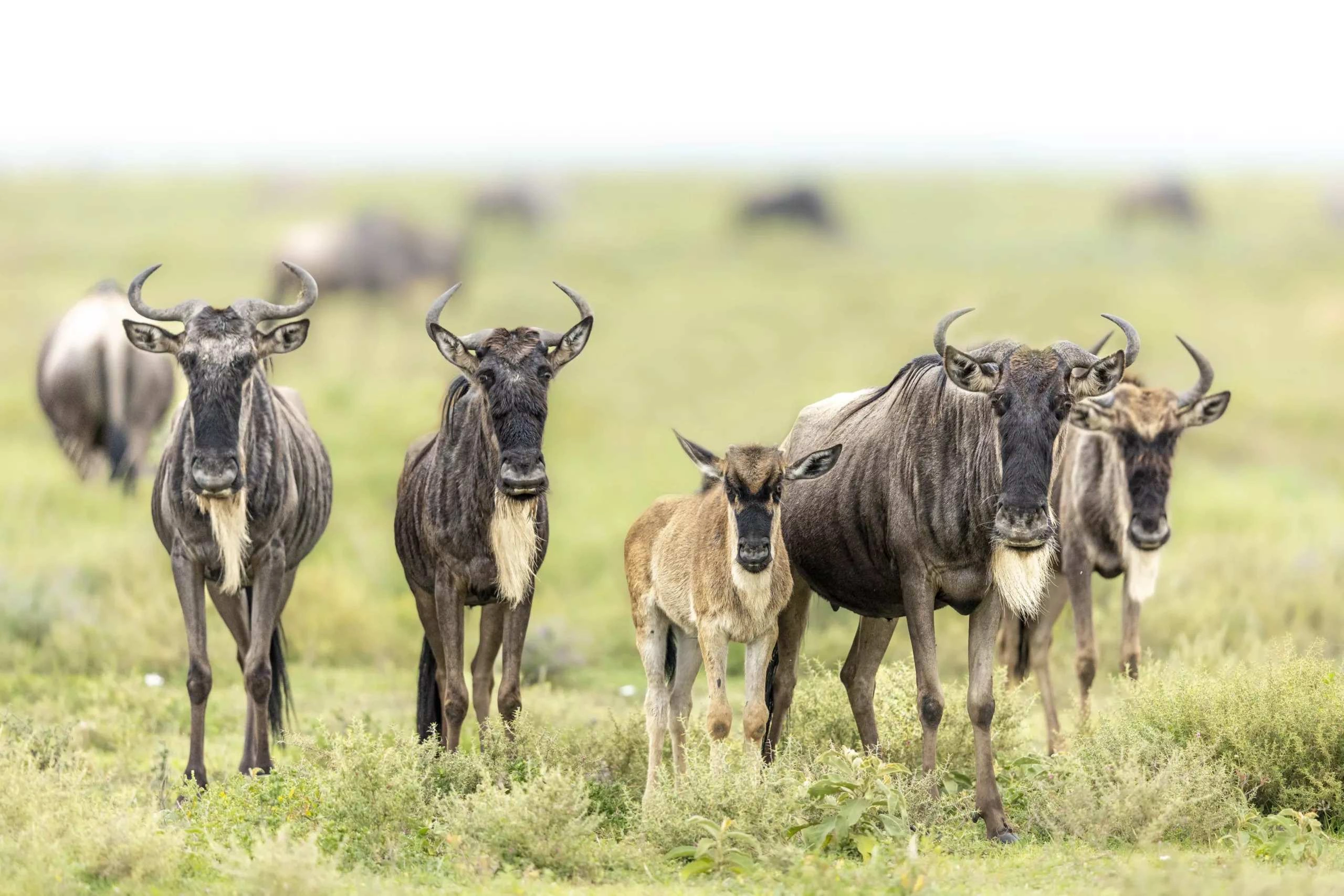
January to March often suits travellers focused on the southern Serengeti and Ndutu calving season. The plains can be alive with wildebeest, zebra, newborn animals and predator movement, although rainfall patterns still shape the daily rhythm. We recommend flexible game-drive planning rather than fixed expectations around one exact wildlife event.
April and May can be rewarding when your priority is value, lower vehicle density and a slower luxury rhythm. Some camps close, some roads need more careful routing, and cloud cover can change light conditions. We only recommend green-season travel when the lodge quality, vehicle standard and route logic still protect the experience.
Best months for Serengeti safari planning
The Serengeti is not a single-location safari. Central Serengeti can work in many months because resident wildlife remains strong, while the migration moves through broader zones depending on rain. Southern Serengeti and Ndutu usually matter most from January to March, western and central routes can be useful around May and June, and northern Serengeti often becomes important from July to October.
River crossing journeys need careful language and careful planning. Crossings usually occur when herds gather near the Mara River, but no operator can guarantee the exact day or hour. We place you in a strong northern Serengeti position, allow enough nights, and build patience into the itinerary instead of selling a single crossing as a fixed appointment.

Central Serengeti remains valuable even outside headline migration months. Big cats, kopjes, open plains and year-round wildlife make it a reliable anchor for first-time Tanzania safari planning. A strong route may pair Central Serengeti with Ngorongoro, Tarangire or northern Serengeti depending on season and budget.
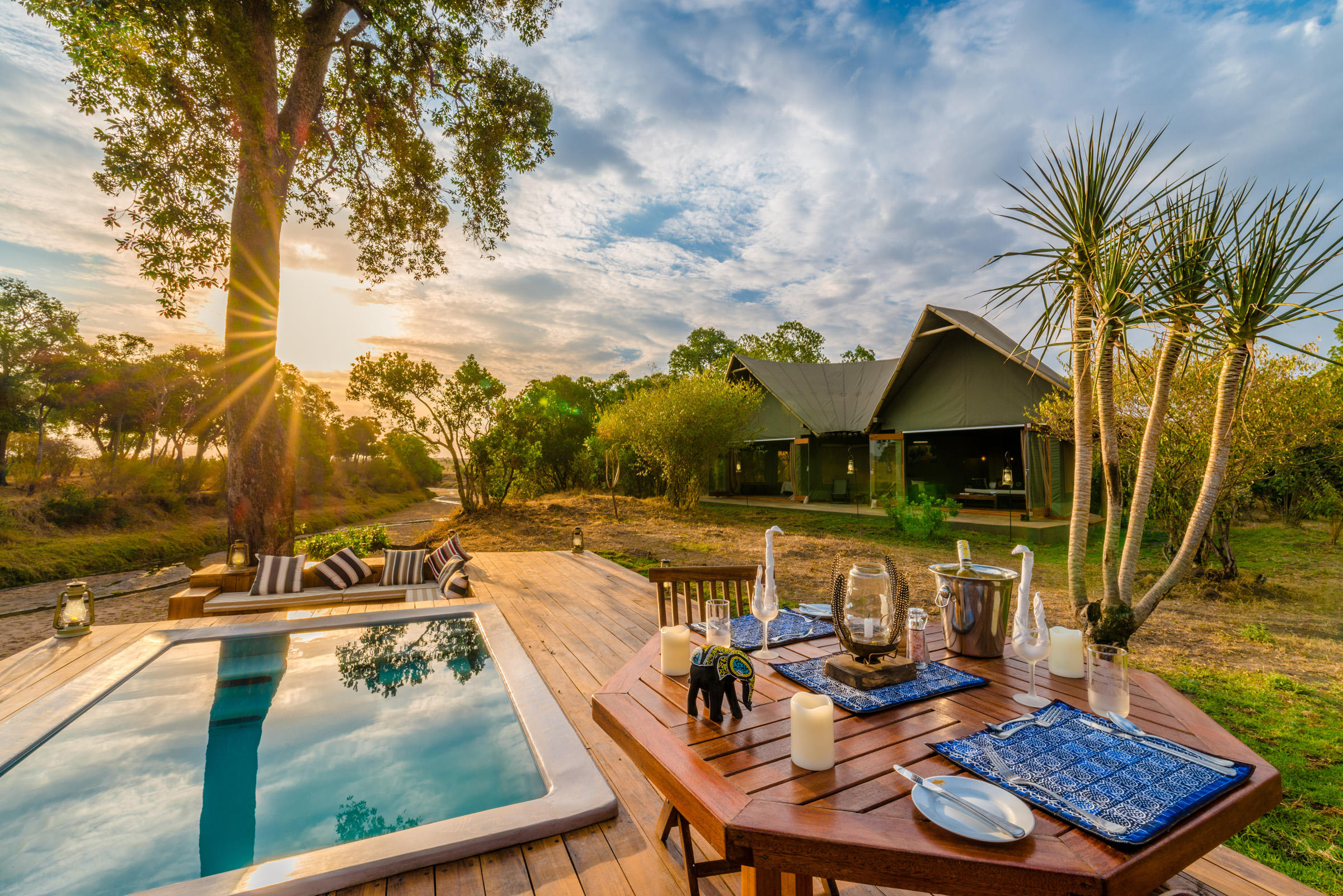
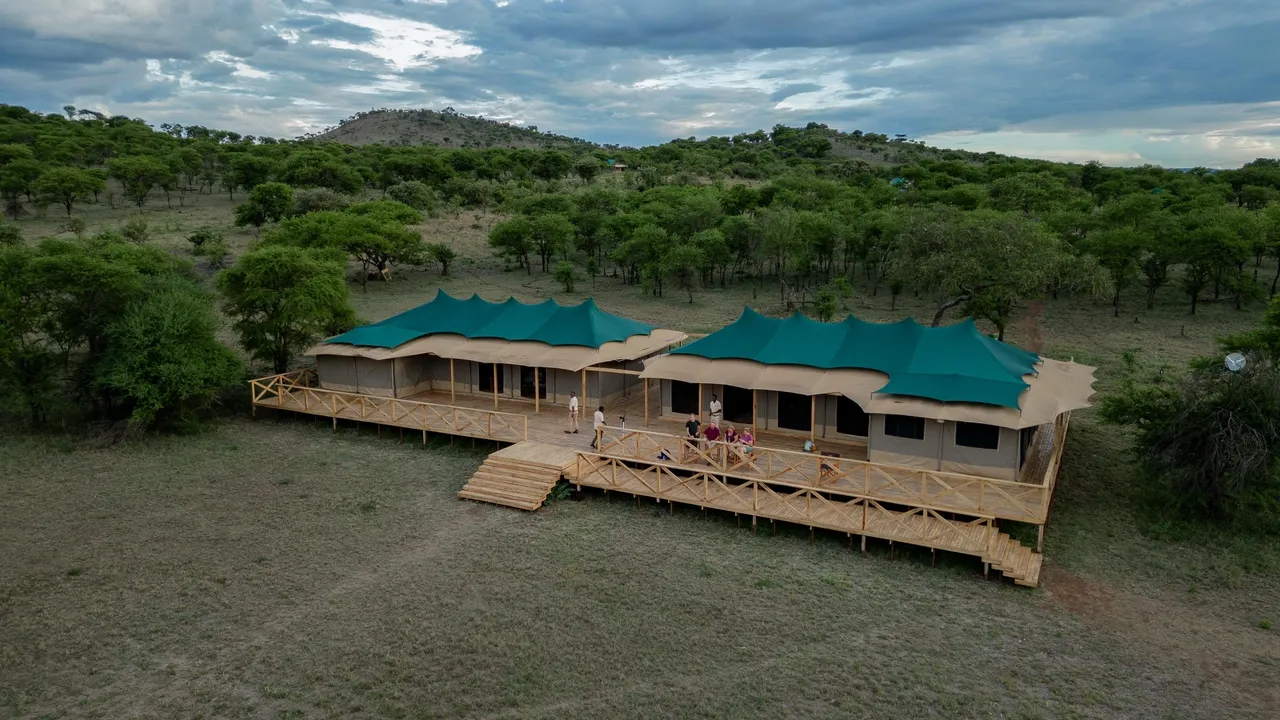
Your preferred lodge style also changes the best month. Mobile camps can follow migration zones, permanent lodges can offer stronger infrastructure, and fly-in camps reduce road fatigue. We choose the camp type after confirming your travel dates, not before.
Dry season versus green season for luxury travellers
Dry season suits travellers who value classic wildlife density, cleaner road movement and easier family logistics. It is also the busiest and often the most expensive window. We balance this by using better located camps, private vehicles, early starts and park combinations that avoid the most repetitive routes.
Green season suits travellers who prefer richer landscapes, quieter game-drive tracks and more photographic contrast. Birding can be excellent, young animals may be present in several areas, and the light can be beautiful between showers. We keep expectations practical because some days may require slower movement and stronger guiding decisions.

A luxury green-season itinerary is not simply a lower-price version of peak season. It needs careful lodge selection, drainage awareness, flexible routing and a guide who understands how wildlife reacts to fresh grass and scattered water. When done well, it can feel more private than a high-season route.
Shoulder months such as June, November and early December can be very effective. They often carry a balance of value, atmosphere and wildlife activity. We review your comfort with rain, your preferred park density, and whether your trip must connect to Zanzibar beach days.
Tanzania safari and Zanzibar timing
Safari and Zanzibar timing should be planned together. A strong safari month does not always guarantee perfect beach conditions, and a perfect beach week may not match the wildlife target you imagined. We design the order so the safari carries the wildlife purpose and Zanzibar adds recovery rather than itinerary confusion.
June to October is often a clean safari-and-beach window because northern Tanzania is dry and Zanzibar is generally popular for beach stays. December and January can also work well, especially for holiday travel, but demand rises sharply. We recommend confirming room categories early and leaving enough time between domestic flights and international departures.
April and May can bring strong safari value but more weather flexibility is needed on the coast. Some travellers still enjoy the quieter feel, while others prefer to shift the beach stay to a stronger season. We discuss this honestly before we recommend the final split between safari nights and ocean nights.
A ten- to twelve-day Tanzania safari and Zanzibar itinerary usually works better than squeezing both into one week. Your safari needs time inside the parks, and Zanzibar deserves more than a rushed final night. We connect these choices with the full guide to a Tanzania safari and Zanzibar itinerary.
Booking windows for 2026, 2027 and 2028
Luxury Tanzania safaris should be planned early for the strongest lodges and migration zones. Peak-season rooms in northern Serengeti, southern Serengeti and crater-area properties can fill well ahead of travel, especially for families, honeymoon suites and private groups needing multiple rooms in the same camp.
A 2026 safari may still be possible at short notice when dates are flexible, but the best camp positions become harder to secure in high season. A 2027 or 2028 safari gives more room to design the route properly, compare lodge levels and build a stronger Zanzibar extension.
School holidays require extra attention. Family trips in July, August, December and early January need suitable rooms, guide pacing, safe lodge layouts and realistic drive times. We design around children and teenagers rather than forcing a standard adult itinerary onto the family.
Honeymoon planning benefits from early room selection because special tents, plunge-pool villas and quieter camps are limited. We connect the timing decision with our Tanzania honeymoon safari and Zanzibar guide for a more refined flow.
How The Luxury Africa DMC plans this
We plan Tanzania seasons by matching your travel month with the wildlife target, route comfort, lodge level, vehicle style, internal flight logic and Zanzibar extension. The aim is not to chase every famous park. The aim is to build a route that feels coherent from arrival to departure.
Your private guide, camp position and number of nights matter more than a generic best-month chart. We often recommend fewer locations with stronger time inside each ecosystem, especially when the trip is a honeymoon, family safari or high-end photographic journey.
Before confirming, we check current park rules, lodge availability, flight seats and any official fee updates. We do not treat 2028 planning as fixed when official tariffs may still change. Your proposal stays clear about what is confirmed and what needs final supplier validation.
Next, compare your preferred dates with Serengeti migration safari planning by season, Ngorongoro Crater safari planning and Tanzania safari cost for a private luxury itinerary.
FAQ
What is the best month for a Tanzania safari in 2026?
July, August and September are usually excellent for dry-season wildlife viewing, while January to March often suits southern Serengeti calving season. The best month depends on whether your priority is migration, lower crowds, family travel, photography, Zanzibar or budget comfort. We recommend choosing the season first, then refining the route around lodge location and flight access.
Is April or May a bad time for Tanzania safari?
April and May are not bad months, but they need realistic planning. Rain can affect some roads, several camps may close, and safari days can move more slowly. The advantage is value, lower vehicle density and beautiful landscapes. We recommend these months when the traveller accepts flexibility and wants a quieter private safari rhythm.
When should I book a 2027 Tanzania safari?
A 2027 luxury Tanzania safari should usually be planned 9 to 18 months ahead when you want premium Serengeti camps, family rooms, honeymoon suites or peak-season dates. Earlier planning improves lodge choice and domestic flight logic. Shorter booking windows can still work, but availability may shape the itinerary more strongly.
Can I see the Great Migration every month?
The Great Migration is a year-round movement across the wider Serengeti-Mara ecosystem, but the best location changes by rainfall and grazing conditions. You may be near herds in one zone and far from them in another. We design migration safaris around likely seasonal zones while avoiding any promise of exact crossings or exact dates.
How many days should I plan for safari and Zanzibar?
Most luxury safari and Zanzibar journeys work best with 10 to 12 days or more. A shorter itinerary can include a focused safari and a brief beach stay, but it may feel rushed. We often recommend five to seven safari nights followed by three to five Zanzibar nights, depending on travel month and arrival airport.