Best for: Great Migration timing, northern Serengeti river crossings, calving season, photographers and repeat safari travellers.
- Start with Serengeti migration safari 2026 2027 2028 planning before choosing lodges.
- Match the route to season, wildlife movement, comfort level and arrival airport.
- Check official park, conservation, visa and flight details before confirming future-year travel.
- Use private guiding when pacing, photography, family comfort or honeymoon privacy matters.
How the Great Migration should shape your route
Your Serengeti migration safari needs enough time in the correct zone. The migration is a living movement shaped by rain, grazing, pressure and instinct. A strong itinerary places you where the herds are usually expected, then gives your guide enough time to read conditions each day.
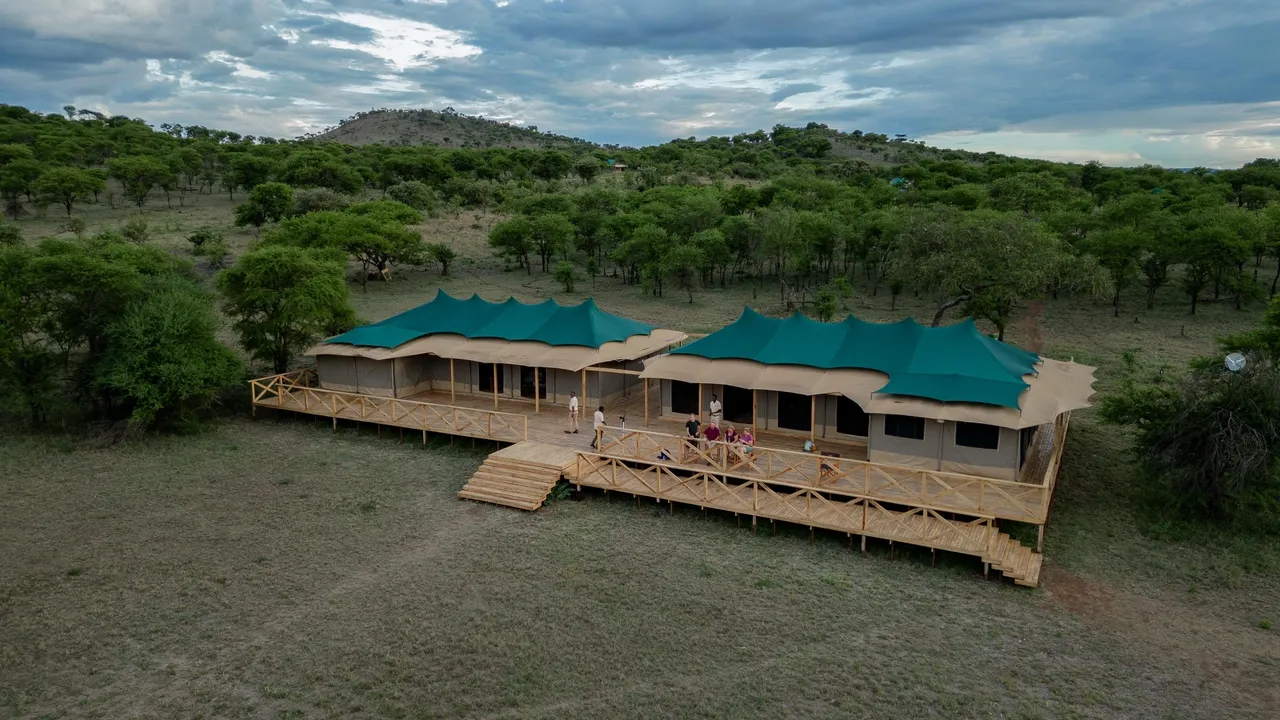
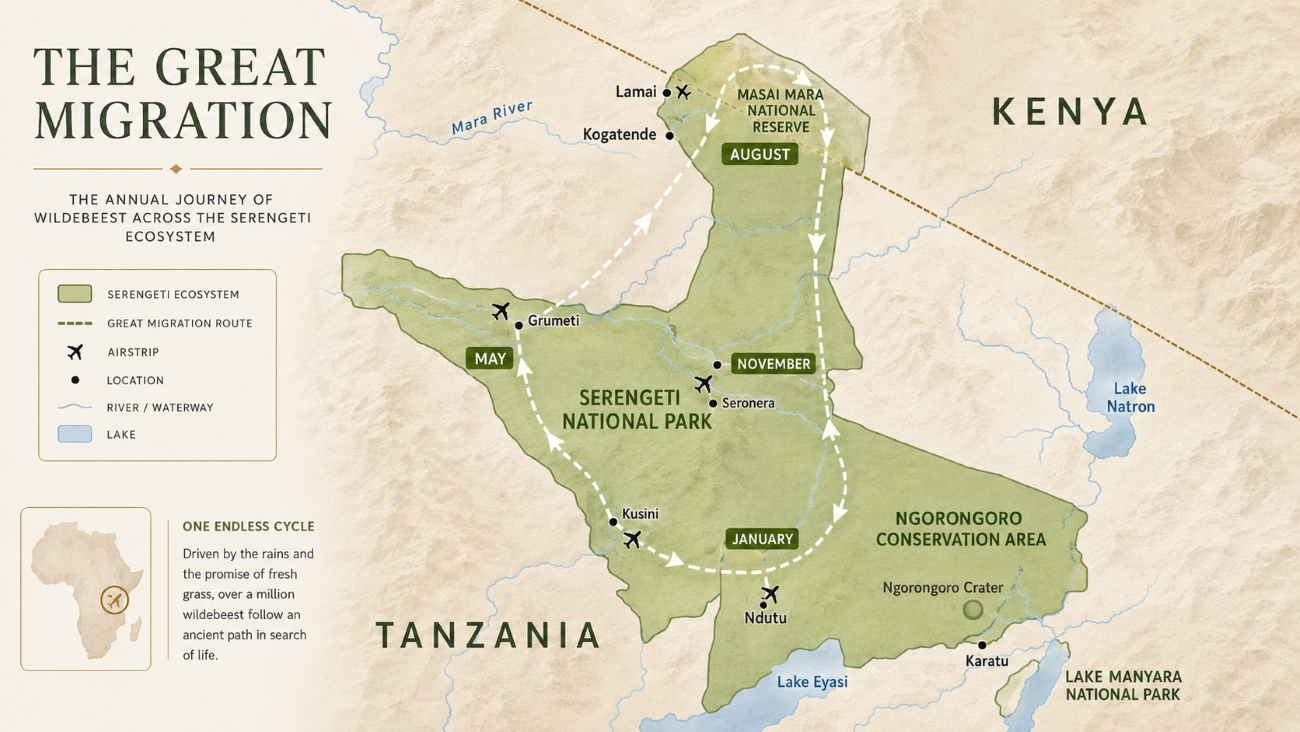
The Serengeti is vast. A camp in Central Serengeti is not the same as a camp in Kogatende, Ndutu or the western corridor. We choose camp position around travel month first, then add Ngorongoro, Tarangire, Zanzibar or domestic flights only when they improve the full journey.
Migration planning should avoid exaggerated guarantees. River crossings are dramatic but unpredictable. Calving season can be extraordinary but still depends on rain and grazing. We use careful probability, strong guiding and flexible pacing rather than selling a single wildlife moment as certain.
A first-time safari may still need Central Serengeti even when the migration is elsewhere. Resident big cats, kopjes, plains and year-round wildlife can anchor the journey while the migration zone adds seasonal intensity.
Southern Serengeti and Ndutu calving season
January to March often brings the most important calving-season planning in the southern Serengeti and Ndutu area. Herds usually gather on nutrient-rich short-grass plains, predators follow closely, and the landscape can feel open, bright and full of movement.
Calving season works best with at least three nights in the right zone. A rushed one-night visit can miss the rhythm of the plains. We prefer a camp that gives access to active wildlife areas while keeping drive times practical for early starts and afternoon returns.
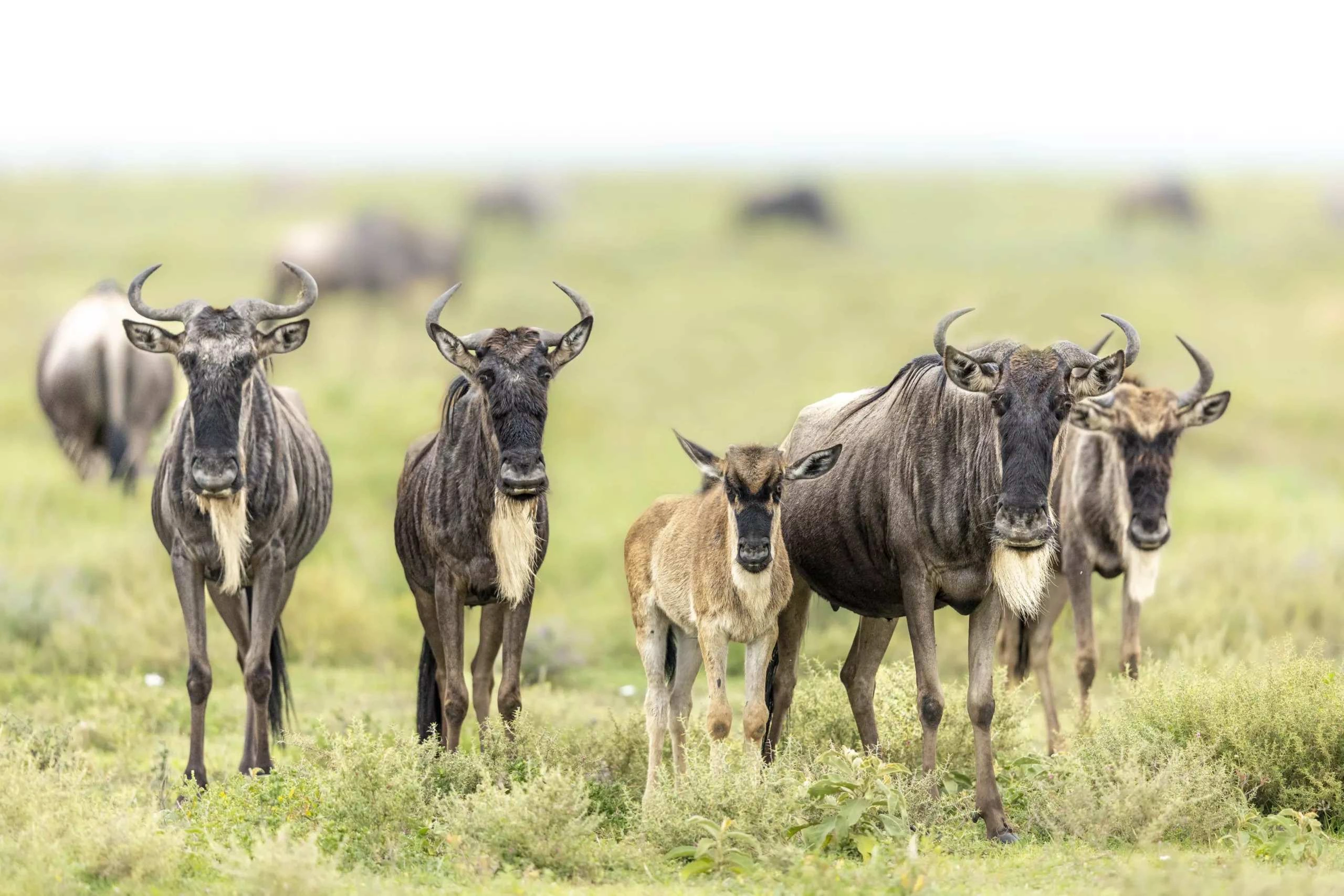
Rain can change the exact location of herds. When the plains are productive, the experience can be exceptional. When conditions shift, the guide must adapt quickly and use the broader ecosystem. Flexible routing matters more than a rigid printed plan.
Southern Serengeti is especially strong for photographers who value open backgrounds, predator interaction and softer seasonal colour. It also suits travellers who cannot travel in the July to October window but still want a migration-focused safari.
Central Serengeti, western movement and dry-season transition
Central Serengeti remains one of Tanzania’s strongest safari anchors because resident wildlife is dependable in many months. Lions, leopards, cheetahs, elephants and plains game can be encountered across varied habitats. We often use Central Serengeti when the route needs reliability beyond seasonal migration movement.
May and June can involve transition periods as herds move through central or western zones, though timing varies. Some years feel early, others feel delayed. We avoid overloading the route with too many distant regions during this period because long movements can reduce actual game-viewing time.
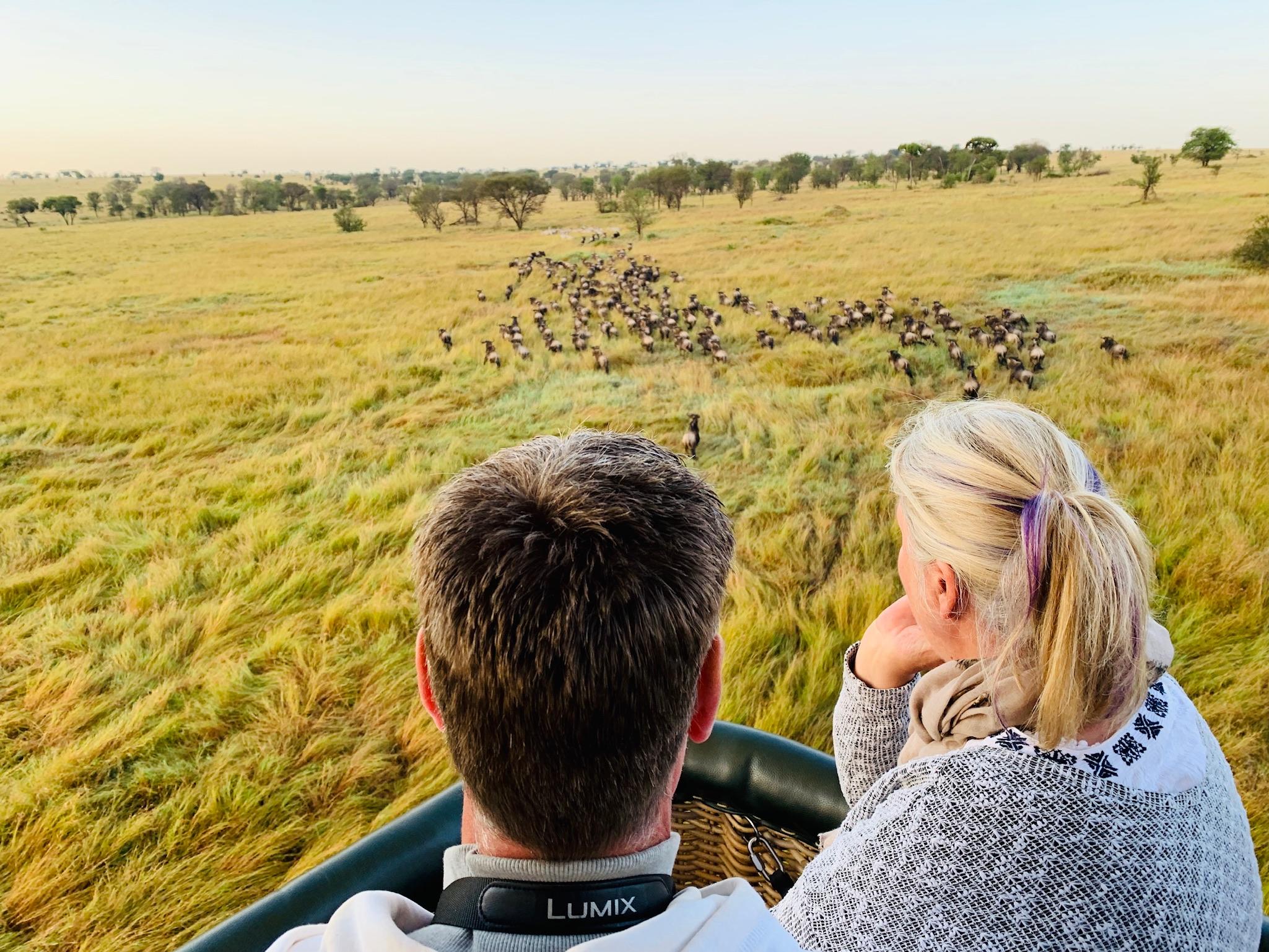
The western corridor can be rewarding, but it needs careful seasonal judgement. We only recommend it when timing, camp availability and route flow make sense. A famous name alone does not justify adding a location that stretches the itinerary too thin.
Domestic flights can protect comfort when the migration route is far from Arusha. A fly-in or fly-out Serengeti plan may be more expensive, but it can convert road hours into game-drive time. We evaluate this with your budget and travel style.
Northern Serengeti and Mara River crossings
July to October often places migration attention on northern Serengeti and the Mara River area. This is the classic river-crossing window, although crossings cannot be scheduled. Herds may gather, hesitate, cross suddenly, or move away based on pressure and conditions.
A serious river-crossing itinerary should allow patience. We recommend more than one night in northern Serengeti and a guide who knows how to wait without crowding wildlife. The best day may involve long hours of reading herd behaviour rather than constant movement.
Northern Serengeti camps book early for peak months. Location matters because a camp too far from active crossing areas can add unnecessary driving. We secure the correct zone before adding extra parks, beach nights or special activities.
Crossing-focused travel should still remain a full safari. You may see lions, elephants, giraffes, buffalo, plains game and striking landscapes even if a crossing does not happen that day. We design the journey to feel valuable beyond one dramatic event.
How many days to spend in the Serengeti
A short Serengeti safari can work when flights are used and the target is focused. A stronger migration safari usually needs three to five nights in Serengeti, depending on the season and route. Northern or southern migration planning benefits from enough time in the chosen zone.
Combining Serengeti with Ngorongoro is a classic structure because the crater offers a compact wildlife experience after or before the open plains. The order depends on arrival airport, flight plan, lodge availability and whether the migration zone sits north, central or south.
Families should avoid overloading the route. Children and teenagers often enjoy Serengeti more when the days include manageable drives, strong guiding and comfortable camps. A private vehicle helps because the pace can adjust to energy levels.
Honeymoon journeys can use Serengeti as the emotional centre of the safari before flying to Zanzibar. We connect migration planning with the Tanzania honeymoon safari and Zanzibar guide when romance and beach recovery are priorities.
How The Luxury Africa DMC plans this
We plan Serengeti migration safaris by matching your travel month with the most logical ecosystem zone, then confirming camp position, internal flights, vehicle days and onward route. We do not begin with a generic map; we begin with what the season usually supports.
Your guide choice matters. Migration safaris reward patience, field reading and responsible positioning. We brief the route around wildlife behaviour, not only around lodge check-in times. That is especially important in northern Serengeti crossing months.
Before booking, we check availability, current official requirements and practical road or flight logic. Final rates depend on lodge season, confirmed routing, group size and official tariffs. We keep the proposal honest when future years still need final supplier confirmation.
Continue with best time for Tanzania safari planning, Ngorongoro Crater safari guide and northern Tanzania safari circuit guide.
FAQ
When is the best time for the Serengeti migration?
The best time depends on the migration experience you want. January to March often suits southern Serengeti calving season, while July to October often suits northern Serengeti and river-crossing attempts. Central Serengeti can remain strong in many months. Rainfall can shift timing, so flexible planning is essential.
Can river crossings be guaranteed?
No, river crossings cannot be guaranteed on exact dates or at exact times. Herds gather and move according to weather, grazing, pressure and instinct. We improve your chances by placing you in the correct northern Serengeti zone, adding enough nights and using experienced guiding, but the event remains natural and unpredictable.
How many nights do I need for a migration safari?
A serious migration safari usually needs at least three nights in the key Serengeti zone, and four or five nights can be better during crossing season. A shorter itinerary may work with flights, but it gives less room for weather, herd movement and patient wildlife viewing.
Is Central Serengeti good for migration?
Central Serengeti can be good during certain transition periods and remains valuable for resident wildlife throughout the year. It may not always be the closest location to the main herds, but it offers strong big-cat viewing and reliable safari quality. We often combine it with a seasonal migration zone.
Should I combine Serengeti with Ngorongoro?
Yes, Serengeti and Ngorongoro make a strong northern Tanzania pairing. Serengeti gives scale, movement and open plains, while Ngorongoro offers a compact crater experience with high wildlife density. The best order depends on your flights, travel month, lodge availability and whether you are targeting northern or southern Serengeti.