Quick answer: Pack light, soft-sided luggage, neutral layers, a warm morning layer, comfortable closed shoes, sun protection, personal medication, camera gear and travel documents. Tanzania safari packing should match the season, aircraft baggage limits, lodge laundry access and whether Zanzibar is included after safari.
Best for: first-time safari travellers, honeymooners, families, fly-in safari guests and Zanzibar add-on planning.
Key takeaways- Start with what to pack for Tanzania safari planning before choosing lodges.
- Match the route to season, wildlife movement, comfort level and arrival airport.
- Check official park, conservation, visa and flight details before confirming future-year travel.
- Use private guiding when pacing, photography, family comfort or honeymoon privacy matters.
Official planning checks: We verify current Tanzania visa guidance, national park information, conservation-area rules and airport movement before confirmation. Future-year planning should be checked against official sources before booking.
How we frame tanzania safari packing before routing
Your tanzania safari packing should begin with purpose, not with a list of famous locations. We clarify whether the priority is wildlife density, comfort, photography, family pacing, romance, value or a smooth safari-and-beach flow. That decision shapes the route before any lodge name becomes meaningful.
Packing well protects comfort during early starts, dusty roads, changing temperatures and domestic flight movement. changes the way the itinerary should be built. A strong plan considers drive time, park access, gate timing, guiding quality and the number of nights needed to make the location worthwhile. We avoid routes that look impressive on paper but feel rushed on the ground.
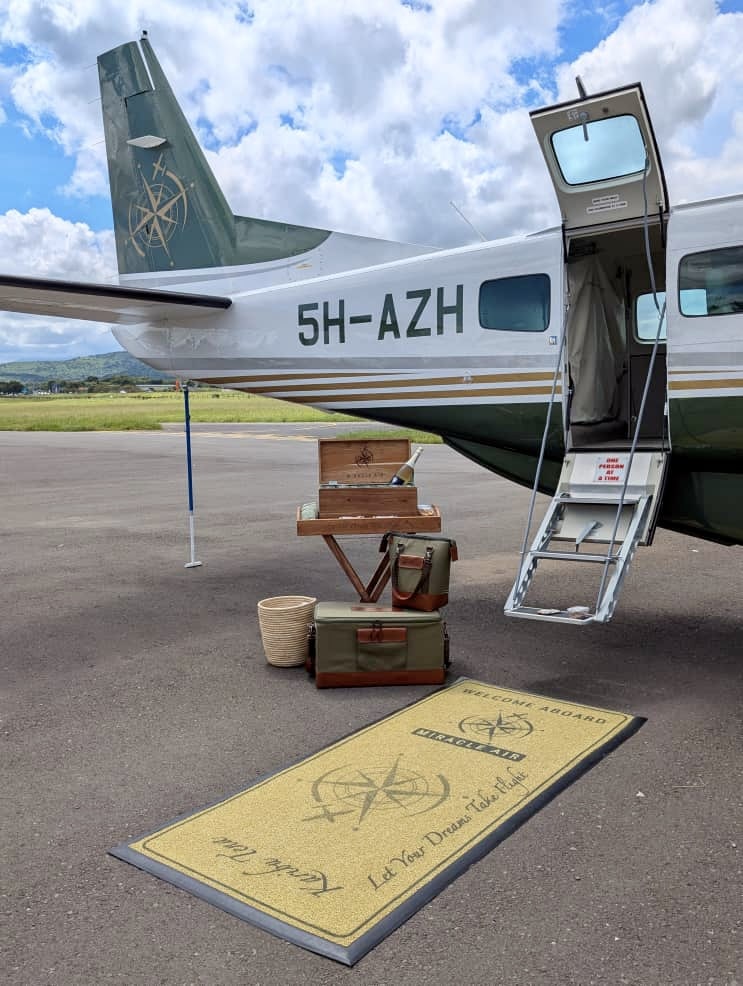
Season still matters. Dry months can be dusty and cool at dawn, while green-season travel may need a light rain layer and faster-drying clothing. We use cautious seasonal language because wildlife movement, rain and official arrangements can change. Your itinerary should stay practical rather than depending on one exact event that no safari operator can control.
The best plan usually protects time inside the ecosystem. We prefer fewer rushed stops and stronger game-drive depth. That is especially important when your safari includes Serengeti, Ngorongoro, Tarangire, Lake Manyara or a Zanzibar extension.
Route design for light aircraft luggage, serengeti safari clothing, ngorongoro layers, zanzibar beach add-on and private vehicle comfort
Route design is where a luxury safari becomes comfortable or tiring. light aircraft luggage, Serengeti safari clothing, Ngorongoro layers, Zanzibar beach add-on and private vehicle comfort needs clear sequencing from arrival to departure, including airport choice, overnight position, road movement, domestic flights where useful and the correct lodge base for each park.
We review whether the journey should begin in Arusha, Kilimanjaro, Zanzibar or another East Africa gateway. Arrival timing matters because a late landing may require a calm overnight before any safari movement. Starting too aggressively can turn the first wildlife day into a recovery day.
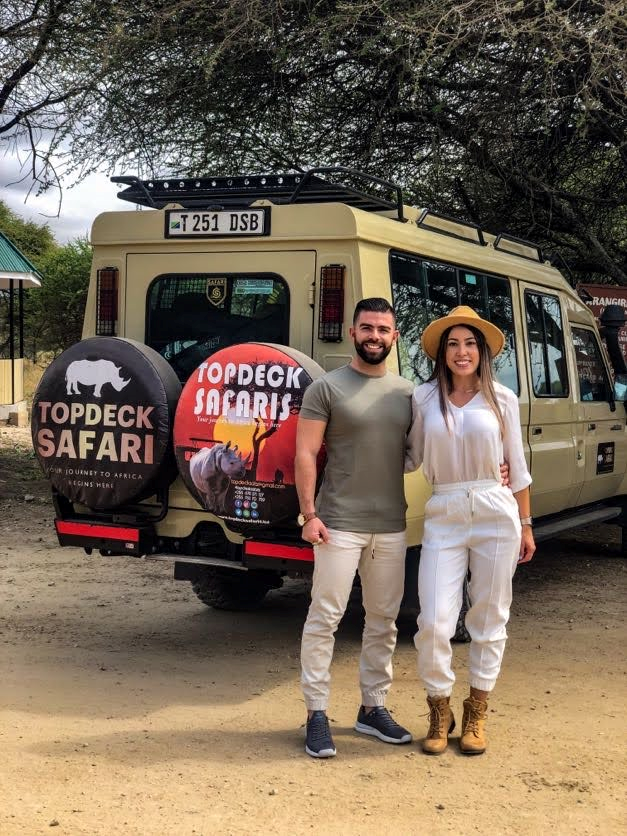
A private vehicle gives the route more control. Your guide can adjust departure times, lunch rhythm, photographic stops and family pacing. Shared departures can reduce cost, but they rarely offer the same control over timing, route focus and lodge choice.
When the itinerary connects with other planning questions, we use internal guides such as best time for a Tanzania safari in 2026, 2027 and 2028, Tanzania safari visa, flights and airport planning and Tanzania safari and Zanzibar itinerary to keep the route consistent across season, cost and logistics.
Accommodation choices and lodge positioning
Lodge laundry can reduce luggage, but delicate items, travel-day clothing and Zanzibar pieces still need planning. The strongest accommodation choice is not always the most expensive property. Location, guiding access, food quality, room layout, airstrip distance and the way the camp handles early starts can matter more than decorative luxury.
Families often need interconnecting rooms, triple options, safe camp layouts and a slower afternoon rhythm. Honeymooners may value privacy, views, plunge-pool rooms and a refined transition to Zanzibar. Photographers often need a camp location that reduces daily driving to productive wildlife areas.
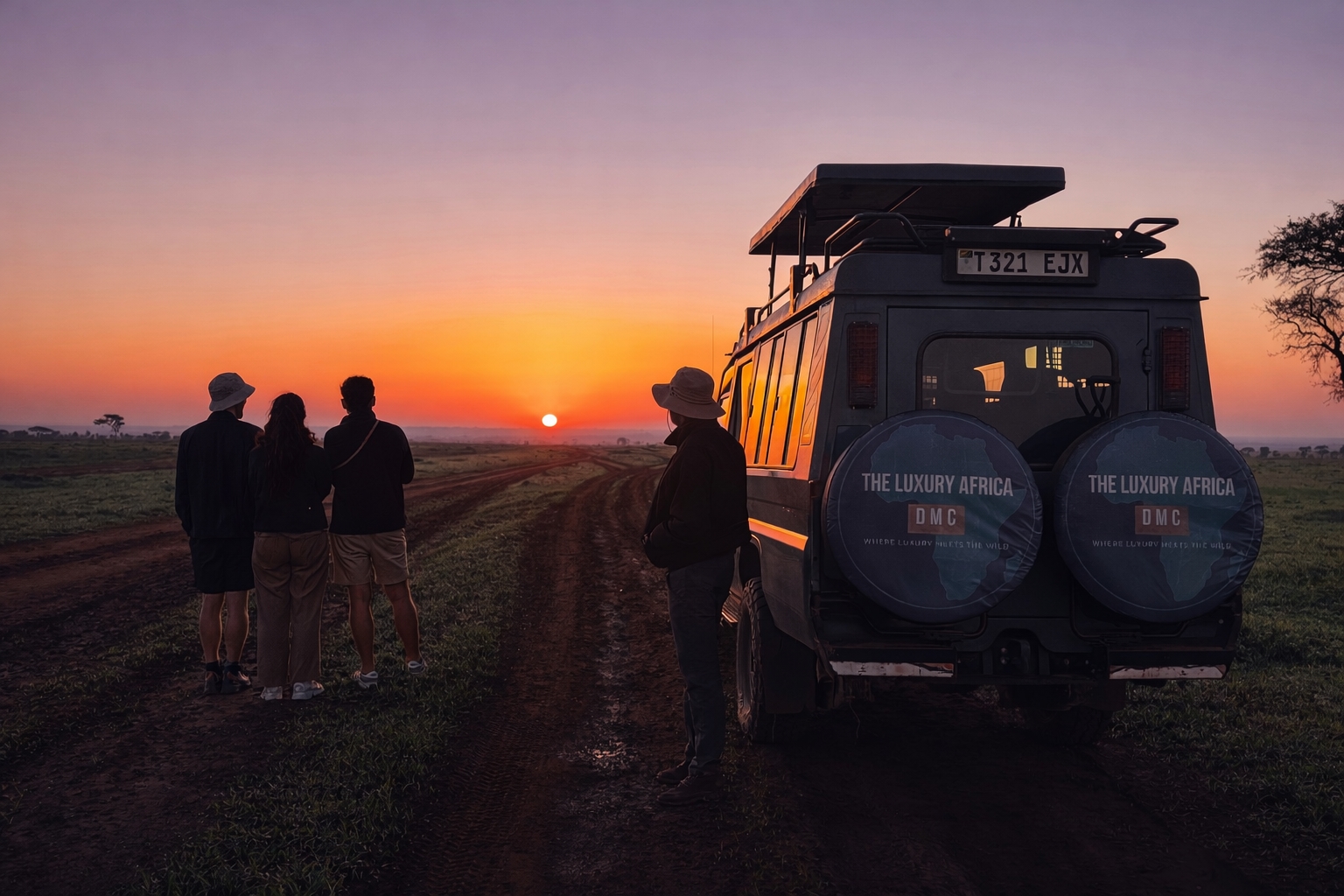
We compare lodge categories honestly. Premium mid-luxury can be excellent when the route carries the experience, while high-end camps can justify their price when privacy, location and service genuinely improve the journey. The wrong luxury lodge in the wrong place is still the wrong lodge.
Room availability becomes more sensitive in peak months. For 2026, 2027 and 2028 planning, we recommend checking dates early when you need specific room categories, private guides or a route close to migration zones.
Practical logistics, flights and park timing
Soft-sided bags, weight limits, camera batteries, adapters, medical basics and document checks should be completed before departure. Practical details decide whether the safari feels polished. We check drive times, airstrip access, baggage limits, park entry rules, meal timing, vehicle standard and whether the route needs a flight to reduce fatigue.
Domestic flights are useful when they protect safari time, especially around Serengeti or Zanzibar connections. They are not automatically better than driving, because some road sectors add useful scenery and wildlife context. We choose the movement style after reviewing the full route.
Official fees and regulations should be checked before booking. Tanzania safari planning for future years should not assume that every tariff or rule remains unchanged. We keep proposals clear where fees, visas or flight schedules require final confirmation.
Ngorongoro requires especially disciplined timing because crater visits, gate movement and onward transfers can create long days. A good plan sets expectations before arrival, then gives your guide enough freedom to manage the day properly.
Who this safari style suits best
This checklist suits luxury travellers who want to arrive prepared without overpacking or ignoring aircraft restrictions. The right safari style depends on comfort with road time, desired privacy, budget range, travel month and the reason behind the journey. A family with teenagers may need a different rhythm from a couple planning a honeymoon or a B2B group with fixed movement windows.
A first-time safari often benefits from a classic northern Tanzania structure because it balances big landscapes, wildlife density and manageable logistics. A repeat traveller may prefer a deeper Serengeti zone, a quieter season or a more specialist photographic route.
Private groups should pay attention to vehicle count. One vehicle normally works well for up to six guests, but larger groups need more careful guide coordination and lodge planning. Splitting the group well is better than forcing everyone into an uncomfortable arrangement.
Budget should be treated as a design constraint, not a weakness. We can refine lodge level, travel month, number of park nights and flight usage while protecting the parts of the journey that matter most.
How The Luxury Africa DMC plans tanzania safari packing
We plan tanzania safari packing by matching your travel dates, group size, lodge style, airport plan and wildlife priorities. The proposal is built as a complete route, with practical notes around official fees, park timing and availability rather than generic safari language.
Your inquiry should include travel month, number of travellers, preferred comfort level, arrival airport and whether Zanzibar is part of the journey. With that, we can recommend the strongest route and explain why one sequence is better than another.
We also protect future planning from overstatement. If official 2027 or 2028 fees, visa rules or flight schedules need confirmation, we say so. Your safari should be accurate enough to trust and flexible enough to refine.
Next, compare this with Tanzania family safari planning, private Tanzania safari versus group safari and Tanzania safari cost for a private luxury itinerary before requesting a final bespoke itinerary.
FAQ
What colour clothes should I wear on safari?
Neutral colours such as khaki, beige, brown, stone and muted earth tones are practical for safari. Avoid bright white because it shows dust quickly, and avoid very bright colours when possible. Comfort, breathable fabric and layering matter more than fashion. Lodges are usually relaxed, even when the service level is high.
Do I need soft luggage for Tanzania safari?
Soft-sided luggage is strongly recommended, especially when domestic light aircraft flights are included. Hard suitcases can be difficult to fit in small aircraft and safari vehicles. Weight limits vary by route and operator, so baggage rules should be checked before travel. A small day bag is also useful.
Is Tanzania safari cold?
Mornings and evenings can be cool, especially around Ngorongoro, higher areas and open-vehicle starts. Midday can become warm. We recommend layers: a light fleece or jacket, breathable shirts and comfortable trousers. The exact packing mix should match your travel month and route.
Should I pack formal clothes?
Formal clothes are usually unnecessary on safari. Even luxury lodges tend to keep the atmosphere relaxed and practical. A smart casual outfit can be useful for city hotels or Zanzibar dinners. Safari days should prioritize comfort, dust management and easy layering over formal style.
What should I pack for Zanzibar after safari?
Pack lighter beach clothing, swimwear, sandals, reef-safe sun protection where available and a modest cover-up for village or Stone Town visits. Zanzibar has a different rhythm from safari, but luggage limits still apply if you fly from Serengeti or Arusha. Keep beach items compact and practical.