Tanzania Safari Mistakes (Avoid These) — Save Money, See More, Enjoy More
Tanzania is one of the best safari destinations in the world. But even in a country with world-famous parks, the experience can feel “just okay” if the trip is rushed, poorly timed, or built around the wrong priorities. That’s why we created this guide: to help you avoid the safari mistakes that waste money, reduce wildlife time, and create stress on what should be a smooth, unforgettable journey.
At The Luxury Africa DMC, we plan safaris around one simple goal: protect the moments that matter. That means building routes with the right pacing, choosing the right lodge style for your comfort, and matching the season to the experience you want. This is the core of our Tanzania Luxury Safaris &Beyond planning approach.
Below are the 15 most common Tanzania safari mistakes we see—plus practical fixes. If you’re planning Serengeti, Ngorongoro, Tarangire, Lake Manyara, Zanzibar extensions, or even Kenya + Tanzania combinations, this checklist will help you enjoy more and spend smarter.
In this guide
Quick Summary: The 5 Biggest Tanzania Safari Mistakes
If you only read one section, read this. These five mistakes create most safari complaints, even for travelers with a good budget. The fix is not “spend more”—the fix is planning smarter.
- Rushing the itinerary (too many parks in too few days)
- Choosing the wrong season for your main safari goal
- Underestimating drive time and transfer fatigue
- Booking the wrong lodge location (not the wrong lodge price)
- Not protecting Serengeti nights for deeper wildlife time
This is why our Tanzania Luxury Safaris &Beyond trips focus on calm pacing, multi-night stays, and wildlife-first timing.
15 Tanzania Safari Mistakes to Avoid (Save Money + Enjoy More)
These are the most common safari mistakes we see across Tanzania—from budget travelers to luxury couples. Use this as practical Tanzania travel advice before you book.
1) Trying to visit too many parks in too few days
This is the #1 reason safaris feel rushed. Every park change adds packing, driving, and check-in time. A better plan is fewer parks with more nights—especially for Serengeti.
2) Booking Serengeti as a “quick stop” instead of the main story
Serengeti deserves multi-night stays. If you only spend one night, you lose prime wildlife hours. Protect Serengeti time and your entire safari becomes stronger.
3) Choosing the wrong season for your main goal
Tanzania is great year-round, but the experience changes by month. Migration focus, predator action, green season photography, and dry-season game viewing all feel different. Match the season to your priority.
4) Not understanding what “migration safari” really means
Migration is not one location all year. Camp placement matters more than fancy words. A true migration safari package must be planned around the Serengeti corridor that fits your travel dates.
5) Booking a lodge that is “nice” but in the wrong location
Lodge location impacts your game drive quality. A perfect room far from wildlife areas can reduce sightings time. In safari planning, location is value.
6) Underestimating drive time and road fatigue
Some drives are long. Long transfers can reduce your energy for game drives and photography. Smart itineraries balance driving with flight options where needed.
7) Skipping Tarangire when it fits your route
Tarangire is one of Tanzania’s best parks for elephants and landscapes. It also works perfectly as a first safari day from Arusha, setting the tone for the trip.
8) Treating Ngorongoro Crater like a “half day”
Ngorongoro is a full experience. Starting late or rushing out early can reduce sightings. Plan one proper crater descent day for the best results.
9) Not planning around sunrise and sunset game drive timing
Wildlife behavior and light quality are best early morning and late afternoon. A safari built around these windows feels more premium—even without “extra luxury” spending.
10) Packing too heavy (and packing the wrong items)
Safari travel is smoother with soft bags, light layers, and practical gear. Overpacking creates stress and slows every transfer day.
11) Choosing “cheap” options that remove comfort basics
Budget safaris can be great, but removing comfort essentials can affect the whole trip. Smart value means balancing cost with quality guiding, good pacing, and safe accommodations.
12) Booking without understanding what’s included and excluded
Park fees, crater fees, flights, tips, drinks, and transfers can change the final cost. Always confirm inclusions clearly to avoid surprises.
13) Not considering a bush & beach extension
Zanzibar can transform a safari into a complete holiday. Even 3–4 nights after Serengeti and Ngorongoro can make the whole trip feel more balanced and relaxing.
14) Waiting too long to book peak-season lodges
Some of the best camps sell out early, especially for migration windows. Early booking gives better lodge choice and better route design flexibility.
15) Not working with a team that plans around your goals
A safari should match your travel style—photography, romance, family, comfort, or adventure. The best Tanzania safari tips are useless if the itinerary isn’t built around your priorities.
How to Save Money Without Lowering the Experience
Many travelers think “better safari” means “more expensive safari.” Not always. The best savings come from smarter structure, better timing, and better route planning—not from removing wildlife time.
- Choose fewer moves: fewer transfers can reduce hidden costs and fatigue
- Protect Serengeti nights: more wildlife time increases the value of every day
- Pick the right lodge location: reduce long daily drives inside the park
- Use group joining when it fits: group joining safaris in Tanzania/Kenya are typically $200–$500 per person per day
- Private safari value: private safaris (midrange/luxury/high-end) typically start from $400–$3,500 per person per day
For deeper planning, browse: Group Joining Safaris or compare styles here: Group Joining vs Private Safari.
Recommended Trips You Can Book
If you want to avoid safari mistakes completely, start with a proven itinerary and customize it. These trips are excellent “better alternatives” because they follow clean routing and wildlife-first pacing. Explore our Tanzania Luxury Safaris &Beyond collection by The Luxury Africa DMC below:
Want us to recommend the best option for your dates? Message us and we’ll align the itinerary to your goals and season.
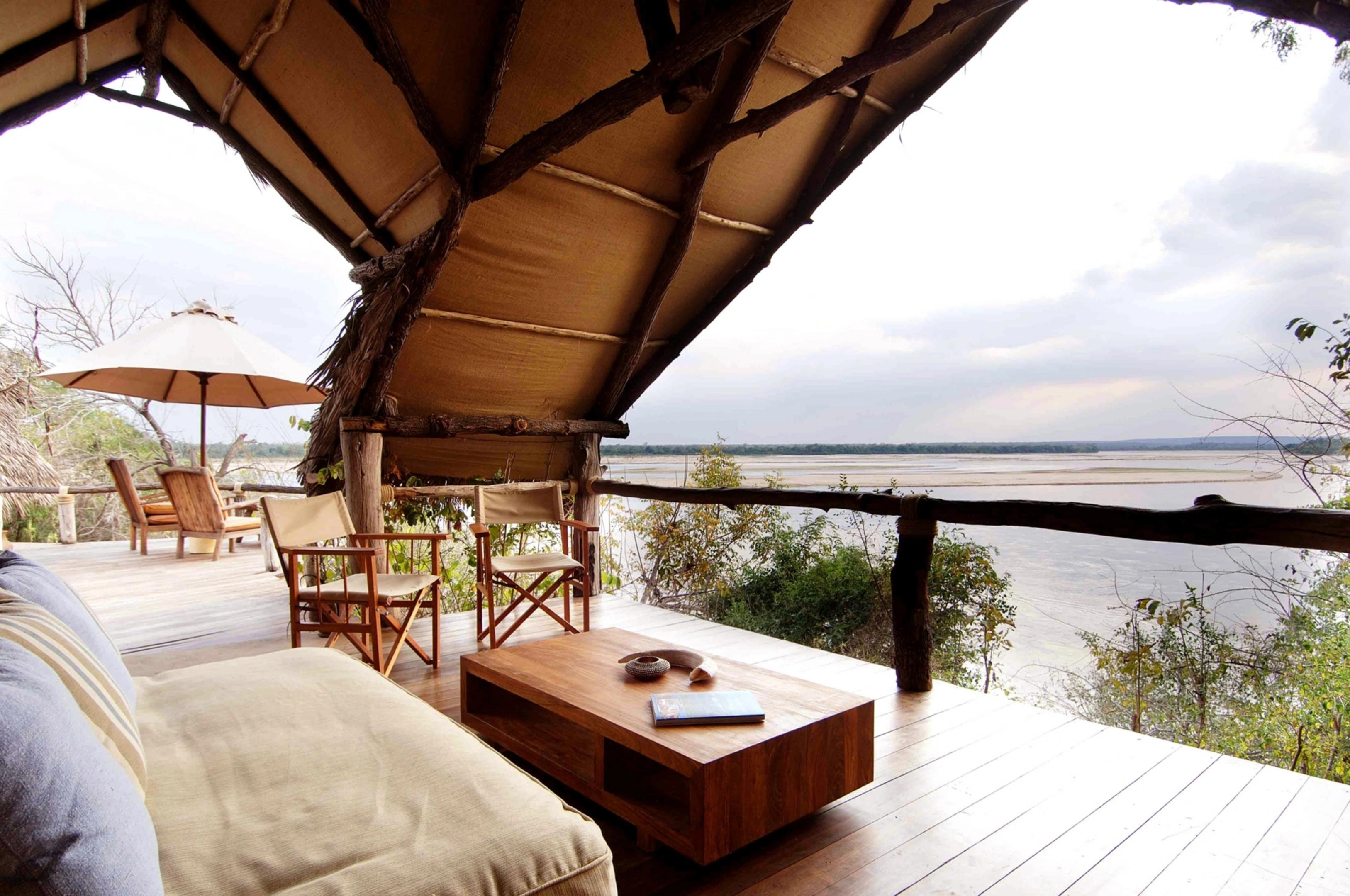
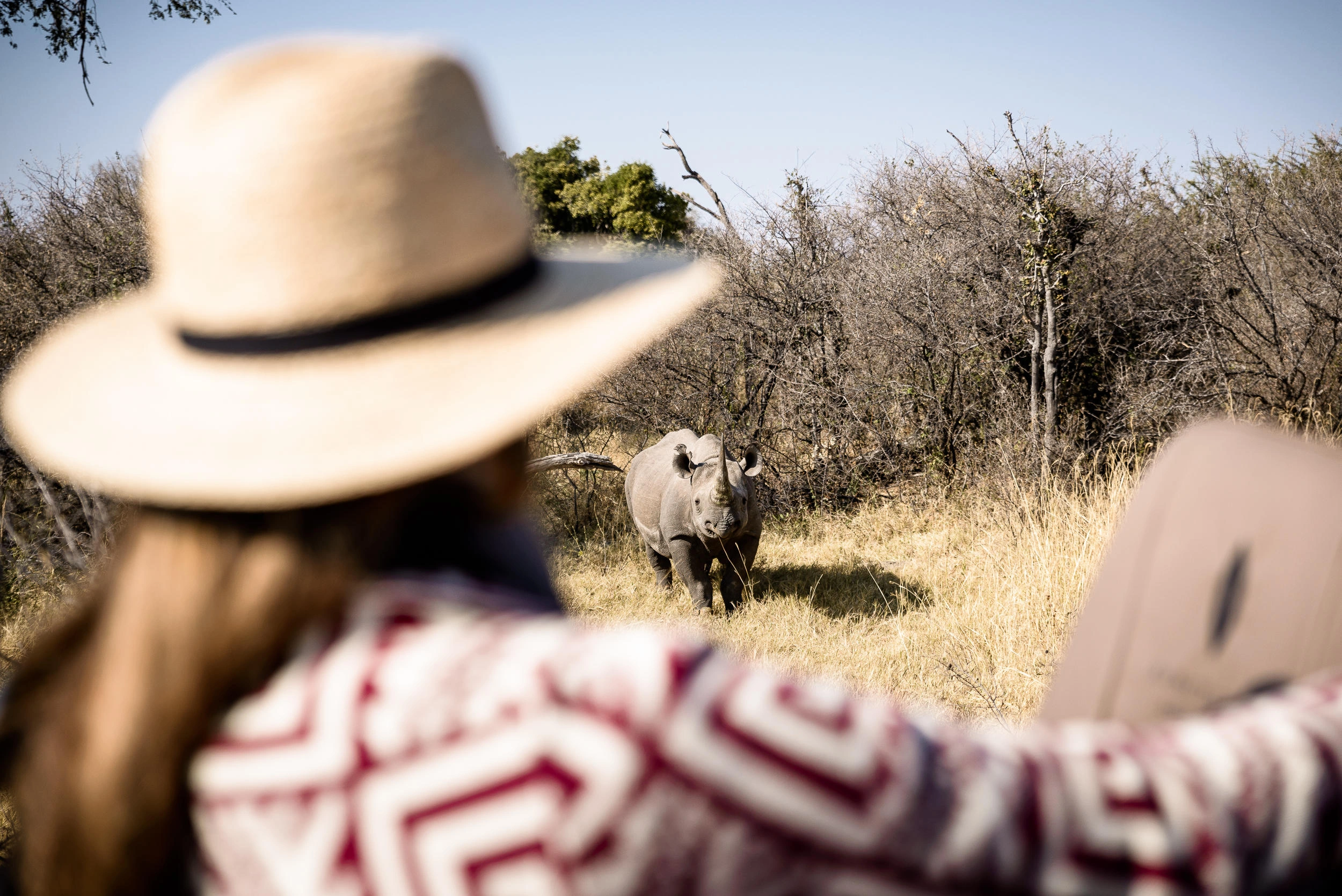
Gallery: Tanzania Safari Moments
Tanzania is unforgettable when the itinerary is planned correctly. These images reflect the landscapes, wildlife, and moments travelers expect from the Tanzania Luxury Safaris &Beyond experience with The Luxury Africa DMC.


FAQ: Tanzania Safari Tips
How many days do I need for a good Tanzania safari?
Most travelers enjoy Tanzania best with 6–10 days for the Northern Circuit. Shorter trips can still be great if the itinerary is focused and well-paced.
Is a private safari worth it?
Yes—especially for couples, families, photographers, and travelers who want flexibility. Private safaris allow better timing, more comfort, and a more personalized experience.
Can I combine Tanzania with Kenya?
Yes. A Kenya + Tanzania combination is excellent for migration-focused travelers and photographers. Explore: 11 Days Kenya + Tanzania Migration Safari.
Safari Mistakes Checklist
- Don’t rush Serengeti
- Plan one proper Ngorongoro day
- Choose season by your goal
- Confirm inclusions clearly
- Use the right lodge location
Tanzania Luxury Safaris &Beyond planning tips.
Related Blog Posts
Recommended Trips You Can Book
Plan My Tanzania Safari
Tell us your dates, number of travelers, and your safari style (mid-luxury, luxury, or high-end). We’ll recommend the best route and lodges for your season.
WhatsApp Now →