Itinerary overview — 12 Days Ndutu Calving Migration Safari (Group + Private)
What makes this one different
You get the classic Tanzania circuit efficiently via group joining (Days 2–5), then we switch to private for the part of the journey that benefits most from flexibility: Ndutu calving depth days, a calm Karatu reset, a cultural choice day, and a soft Arusha finale with walking experiences and wildlife-close moments at Aya Sophia.
At a glance (Tanzania • Calving Season)
- Duration: 12 days / 11 nights.
- Season focus: December – March (Ndutu / South Serengeti calving chapter).
- Style: Hybrid — Group joining Days 2–5, then Private Days 6–12.
- Route: Arusha → Tarangire → Central Serengeti → Ngorongoro Crater → Ndutu → Karatu → Lake Manyara → Arusha (Aya Sophia + Arusha National Park) → JRO.
Best time for this exact routing
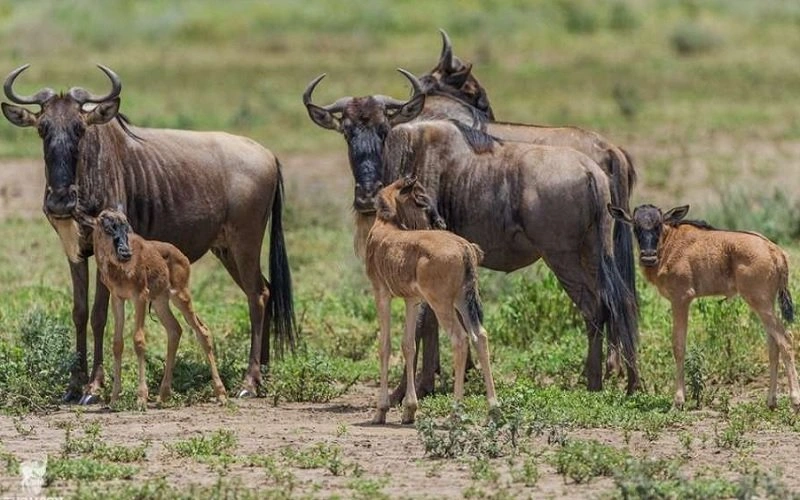
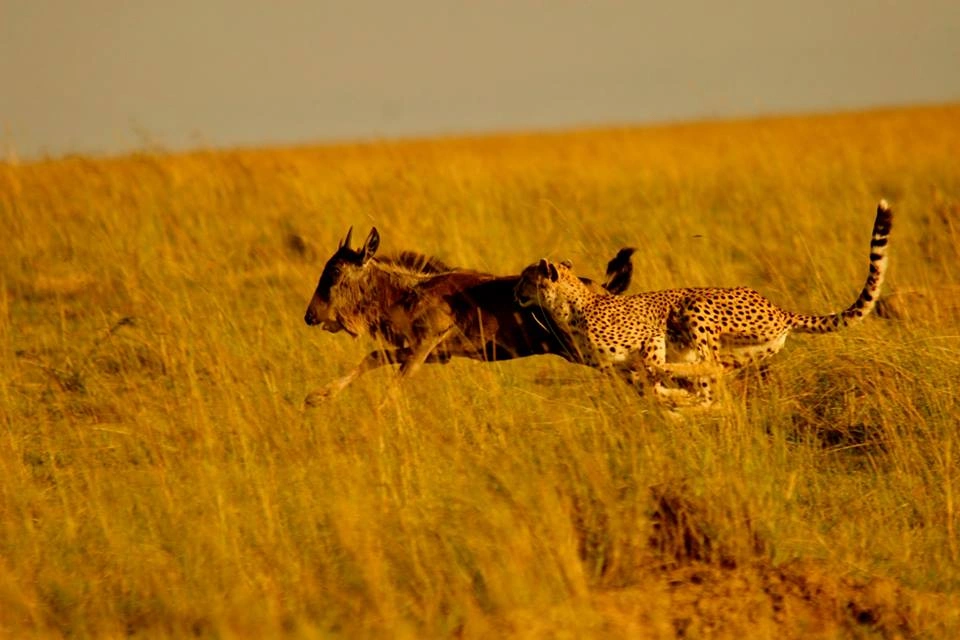
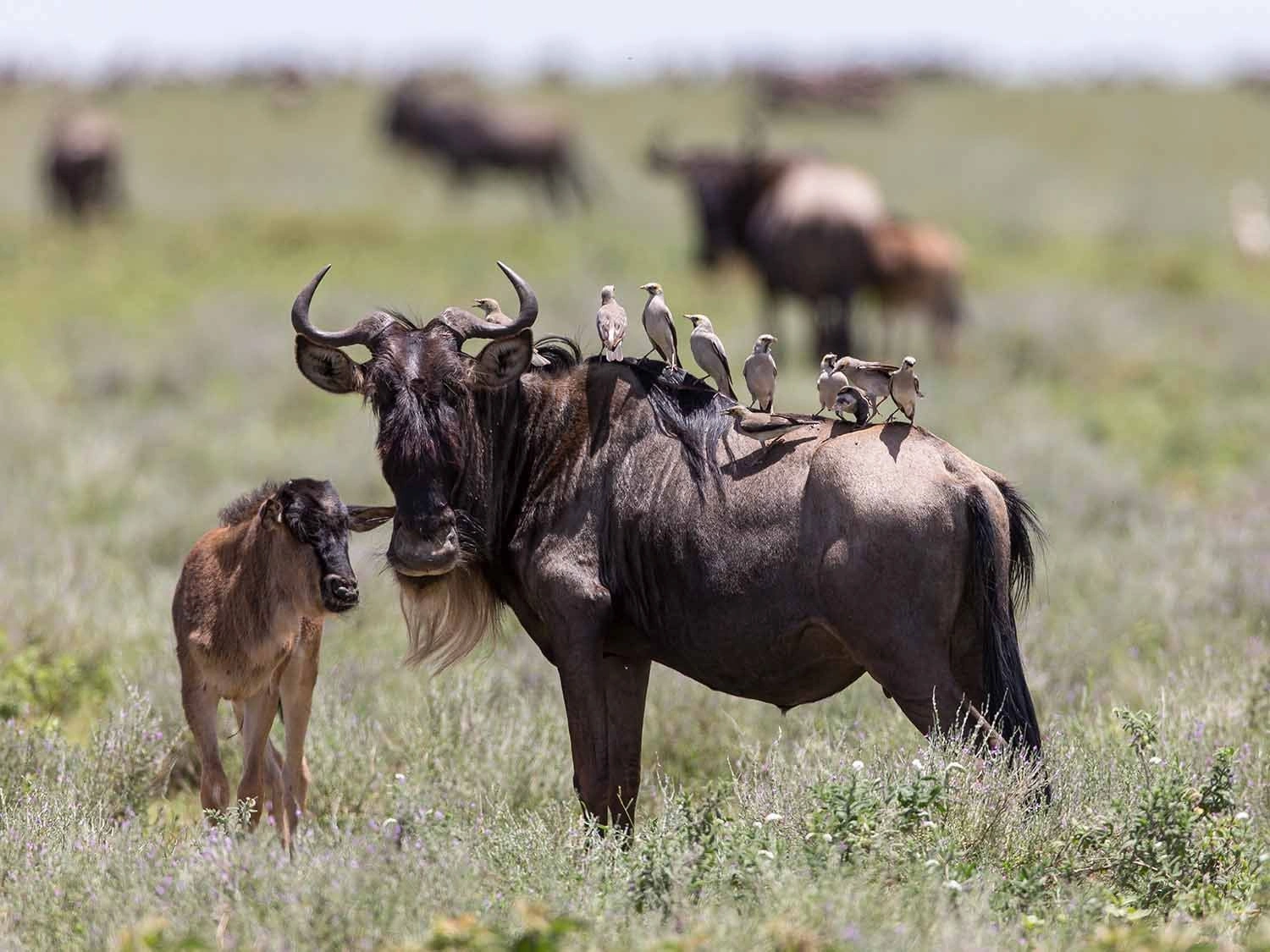
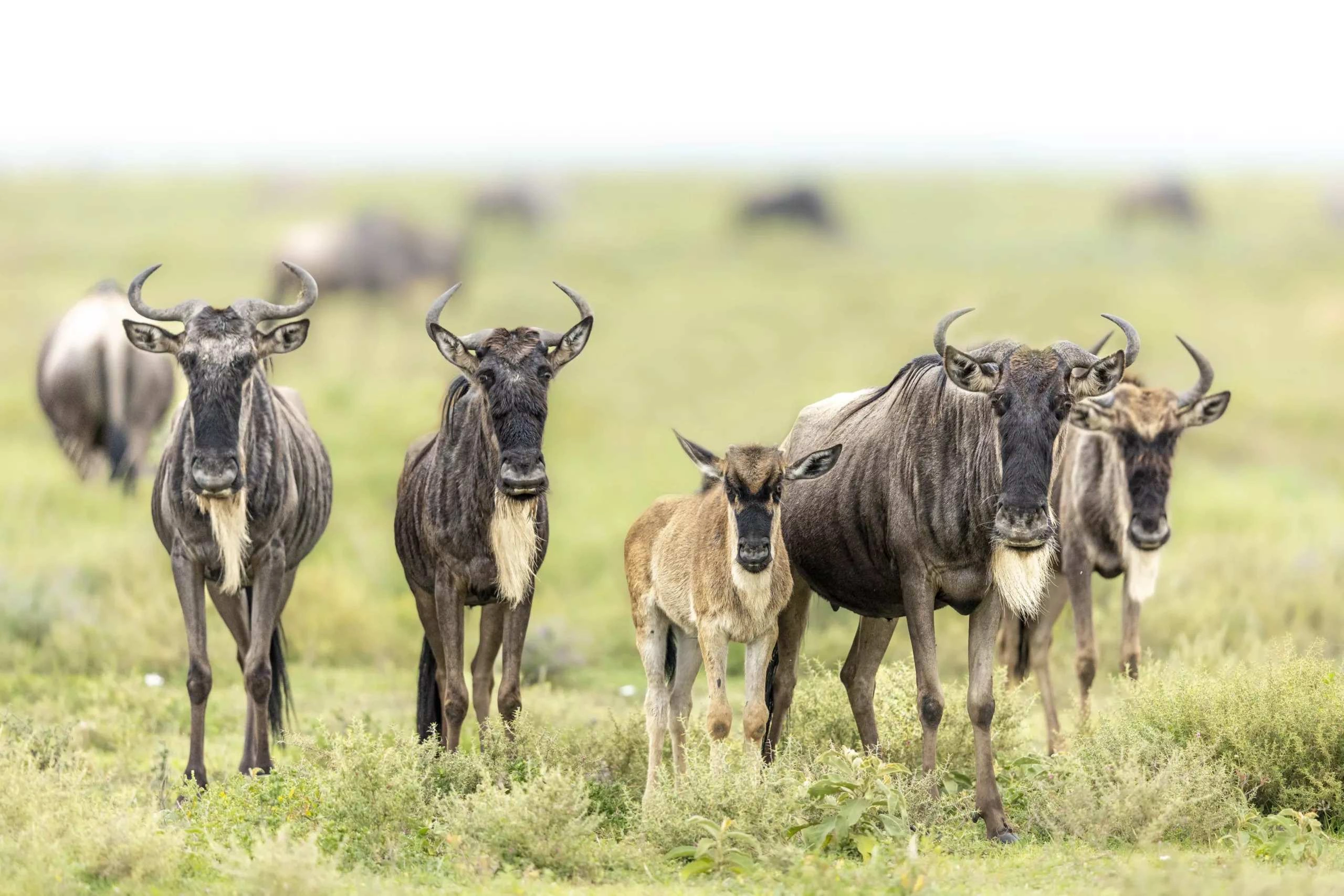
This plan is built for December–March, when the migration concentrates in the south and the calving story becomes real. December often brings fresh green plains and early movement, January is a classic “peak calving” feel, and February–March can deliver the strongest newborn intensity — with predators reading the same signals. We tune the Ndutu days to your exact week, because calving season is about pressure and positioning, not fixed promises.
Why this route works (logic & rhythm)
The route is designed to protect your best wildlife hours early, then slow down intentionally. The group segment handles the big-park circuit efficiently, then private guiding takes over for Ndutu and the Arusha finale, where timing and flexibility matter most — especially with children. The final days are deliberately softer: shorter drives, more choice, and experiences that feel intimate rather than hectic.
Who it’s designed for
Families and first-timers who want a proper calving-season safari without turning every day into a long road mission. It’s also ideal for travellers who appreciate smart value: join a group for the classic circuit, then go private for the most personal part of the journey.
Routing logic — why this order works
We keep the “big circuit” front-loaded: Tarangire and Serengeti first, then the Ngorongoro Crater at the right moment, before committing to Ndutu where calving season is most concentrated. Once you’ve had the heavy wildlife days, we transition into softer pacing — Karatu to reset, culture with time to breathe, then Manyara + Arusha experiences that feel calm and memorable.
Access & logistics — kept calm on purpose
Transfers are planned to feel smooth: private airport handling on arrival and departure, clear handover from the group segment to private guiding, and a route that avoids unnecessary backtracking. The private section is paced around comfort — flexible starts when needed, clean lodge check-ins, and enough buffer to keep family energy stable (especially with kids under 16).
Expert route note
In calving season, the best Ndutu days come from patient short-grass positioning — not driving endlessly. We design Days 6–7 as “depth days” so your guide can work one story properly: herd movement, predator patterns, and the subtle shifts that decide whether the morning feels good… or extraordinary.
Accommodation — exactly two aligned options per stop
Arusha (Day 1) — 2 options
- Rivertrees Country Inn (Arusha) — calm gardens, easy arrival rhythm, family-friendly feel.
- Gran Meliá Arusha — refined city-luxury comfort with polished service and smooth logistics.
Tarangire / Manyara–Karatu zone (Day 2) — 2 options
- Marera Valley Lodge (Karatu) — classic comfort base with good family rhythm and easy access onward.
- Africa Safari Manyara Escarpment — scenic escarpment setting, relaxed lodge flow after Tarangire.
Central Serengeti (Day 3) — 2 options
- Safari Haven (Central Serengeti) — tented-camp feel with an easy safari rhythm and strong access.
- Central Serengeti Heritage Camp — practical comfort positioned for classic central game-drive days.
Ngorongoro rim (Days 4–5) — 2 options
- Ngorongoro Tortilis Camp — strong crater access, warm service, and a calm evening atmosphere.
- Ngorongoro Ang’ata Camp — clean comfort with good positioning for early crater descent.
Ndutu calving zone (Days 6–7) — 2 options
- Malaika Ndutu Luxury Camp — beautifully paced base for calving season depth days.
- Nyikani Ndutu Luxury Camp — well-positioned for short-grass plains and early-light game drives.
We confirm the final Ndutu property choice clearly based on your exact dates and room needs—before any payment.
Karatu (Day 8) — 2 options
- Marera Valley Lodge (Karatu) — comfortable reset with gardens and an easy afternoon rhythm.
- Ngorongoro Coffee Lodge — calm coffee-estate atmosphere and a soft “exhale” after safari days.
Arusha finale (Days 10–11) — 2 options
- Aya Sophia Wildlife Villa (Arusha) — close-to-nature villa experience where you can unwind near resident animals.
- Rivertrees Country Inn (Arusha) — calm alternative base with excellent logistics for Arusha National Park + departure.
Day-by-day (long & detailed)
You arrive into Kilimanjaro International Airport (JRO) and immediately feel the shift: the air is cooler, the light is cleaner, and the landscape starts to widen. Our team meets you for a private transfer to Arusha, keeping arrival calm and uncomplicated. This first night is not about “doing” — it’s about landing well.
Depending on your preference, you’ll overnight at Rivertrees Country Inn for a relaxed garden rhythm, or Gran Meliá Arusha for refined city comfort. Either way, we keep the evening simple: a good meal, a warm shower, and enough rest so the safari days begin with energy.
Today the group safari begins. After an early start, you drive into Tarangire — a park known for its elephant herds, baobab silhouettes, and a quietly cinematic feeling that builds as the day warms up. The game drive style here is naturally varied: riverine edges for elephants and buffalo, open areas for zebra and wildebeest, and patient scanning for big cats.
By afternoon you transition to the Manyara–Karatu zone for overnight. The goal is a comfortable base that keeps tomorrow’s movement clean, so you don’t feel like you’re constantly “catching up” to the itinerary.
The road into the Serengeti is part of the story: landscapes open, horizons stretch, and you begin to understand why this ecosystem feels like the heart of the safari imagination. You enter Central Serengeti and the pace changes — not rushed, not forced — just that quiet sense that anything could happen in the next five minutes.
You’ll enjoy an afternoon game drive as you move toward camp. Central Serengeti is a strong base for classic sightings: lions in their territories, leopard possibilities in the right habitats, and a constant flow of herbivores. The day ends with a simple rhythm: dinner, warm light, and the soundscape of the plains.
Today is a full Serengeti day — and the best ones are never a checklist. Your guide reads the morning: tracks, movement, and where predator patterns have been building. The goal is not to race between radios; it’s to place you in the right habitats long enough for the Serengeti to reveal itself properly.
As the day progresses, you begin positioning for the Ngorongoro chapter. The evening feels different on the crater side — cooler air, quieter atmosphere, and that anticipation of descending into one of Africa’s most iconic natural amphitheatres.
Early start for the Crater descent — and it’s worth it. The Ngorongoro Crater concentrates wildlife in a way that feels almost unreal: large herds, predators, and constant motion across open floors and wetland edges. The day is designed to maximise the morning when sightings are crisp and temperatures are gentle.
After the crater game drive, you transition toward the southern plains and the Ndutu zone. This is the turning point: the group circuit has delivered the iconic foundations — now we begin the calving story properly.
Today the safari becomes private — and you feel the difference immediately. Your guide can pace the day around your family, your energy, and what’s actually happening on the plains. Ndutu in calving season is not about one “hotspot”; it’s about reading short-grass pressure: where herds are holding, where newborns are concentrated, and where predators are shadowing edges.
We keep the day patient. If the morning is full of births and movement, we stay in that story. If predator tension is building, we position quietly and let the moment develop without rushing the experience. You return to camp with that rare feeling: not just sightings — but a chapter that made sense.
A second consecutive day in Ndutu is where calving season becomes truly rewarding. Your guide now has context: which areas felt active at first light, how herds shifted midday, and where predator movement was building. Instead of starting from zero, you start from knowledge — and that changes everything.
This day is designed for quality: long light, minimal backtracking, and time to sit with a scene long enough to feel it. For families, it also means better pacing — you can break when needed, reset in camp, then return for a strong late-afternoon drive.
After intense wildlife days, we transition toward Karatu — not to “fill time,” but to protect comfort. Karatu is a natural reset point: greener air, lodge gardens, and a slower afternoon that lets everyone recharge. For families, this is where the itinerary starts to feel lighter by design.
You arrive in the afternoon and settle in. The remainder of the day is intentionally simple: swim, rest, early dinner, and a quiet night — because tomorrow is about people, culture, and choice.
Today is about connection and choice. You select one cultural experience depending on your interests and comfort: Hadzabe (a deeply distinctive hunter-gatherer culture near Lake Eyasi) or a Maasai community visit for a welcoming introduction to traditions, storytelling, and daily life.
We keep the day respectful and paced — not rushed, not performative. After the chosen experience, you return to the lodge for lunch and a relaxed afternoon. This is a family-friendly day by design: meaningful, memorable, and not physically exhausting.
You start with a half-day safari in Lake Manyara National Park — a beautiful, compact ecosystem with forest, groundwater edges, and a distinctive “green” feeling. The morning is designed for variety: elephants, baboons, birdlife, and the shifting habitats that make Manyara feel different.
Afterward, you continue to Arusha and check in at Aya Sophia Wildlife Villa (or Rivertrees as an alternative). This is the “soft landing” section of the trip: a place to rewind, let the kids enjoy a calmer pace, and appreciate being close to animals in a gentle, controlled setting.
Today is Arusha’s quieter magic: Arusha National Park — a landscape of forest, crater views, and gentle wildlife. You’ll enjoy a guided walking experience and a waterfall hike inside the park, keeping it active but not extreme. This is a brilliant family day: you’re not only observing wildlife — you’re moving through the landscape with it.
One additional activity is included as a choice depending on conditions and family preference: canoeing on Momella Lakes or an extended guided walking safari for deeper exploration on foot (including famous park zones such as the fig-tree areas). We confirm the final selection cleanly in your booking details.
In the late afternoon you return to your Arusha base for a final relaxed evening — the kind that lets the trip end feeling calm and complete.
Departure day is kept simple. After breakfast, we provide a private transfer to JRO for your international flight. The goal is a calm finish: no last-minute scramble, clear timing, and a smooth goodbye to Tanzania.
How this fits your wider journey
This 12-day hybrid is perfect when you want the calving chapter plus family-friendly flexibility — without losing the classics. If you want a broader migration story designed by our team across two countries, we editorially recommend our 10 Days Kenya & Tanzania River Crossing Safari (a bigger canvas built around the Jul–Oct river-crossing chapter). If you want something more specialised and shorter that stays tightly focused on this season, we recommend our 6 Days Ndutu Calving & Ngorongoro Crater Safari (a compact, high-intensity calving-and-crater pairing).
Fine-tuning this 12-day plan for your family
- Rooms & ages: we confirm the best room setup for 2 adults + 2–3 children under 16.
- Energy rhythm: early starts where it matters (Ndutu), softer afternoons where it helps (Karatu/Arusha).
- Cultural choice: Hadzabe or Maasai — confirmed based on timing and preference.
- Arusha day: we confirm your included choice (Momella canoeing or extended walking safari) based on conditions.
- Calving focus: we tune Ndutu guiding to your exact week for the best short-grass positioning.